First-Timer’s Travel Guide to Visit Tainan in 3 Days (Updated 2025)
Disclosure: Some links may be affiliate links. This means that I may earn a small commission if you decide to buy (at no additional cost to you)
Last Updated on December 22, 2025 by Erin Donahue
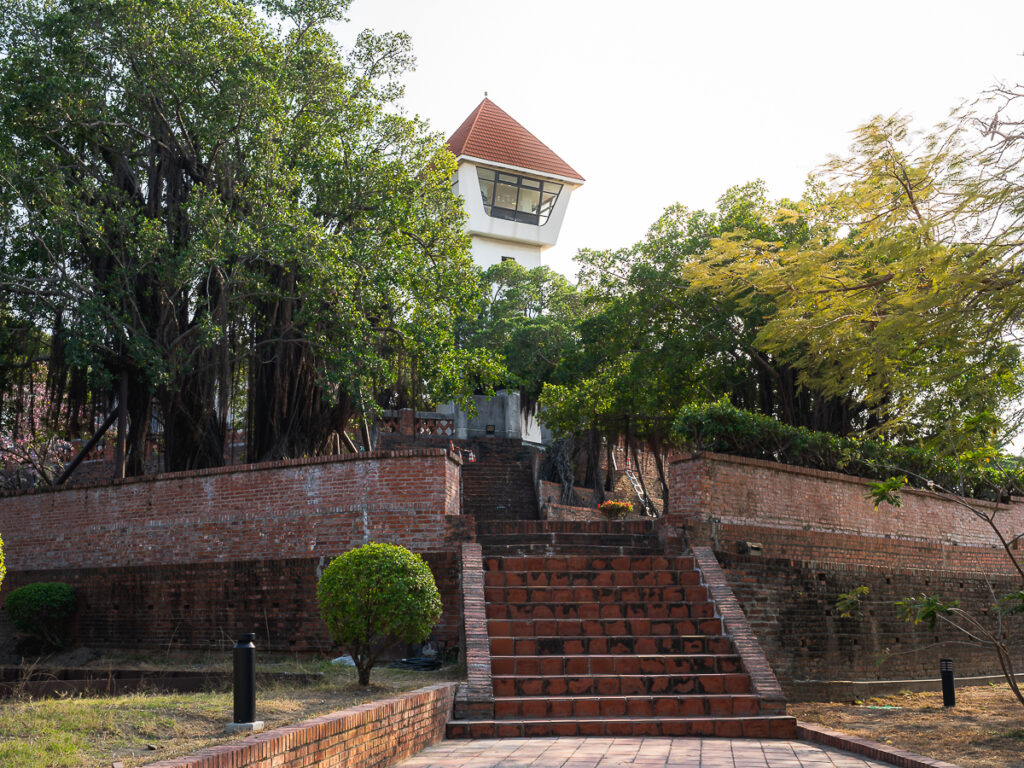
If you’re planning a trip to Taiwan and want to go beyond Taipei (臺北), Tainan (臺南市) deserves a place on your itinerary. The island is only about the size of New Jersey, but it has so many things to do! Based in the south, Taiwan’s former capital moves at a slower pace, trading skyscrapers and subways for temples, historic neighborhoods, and coastal wetlands. Like many places I visit, Tainan works best on foot and rewards travelers with depth without ever feeling overwhelming.
I’ve visited Tainan more than once, most recently during the month of March, when the weather was still ideal. I paired my first visit in 2018 with Kaohsiung (高雄), but this return trip focused entirely on Tainan. March, April, and November are especially good months to visit, when temperatures are mild and humidity is lower across the island. Three days in Tainan gives first-time visitors enough time to explore Taiwan’s historic heart.
Why Visit Tainan Instead of Taipei or Kaohsiung?
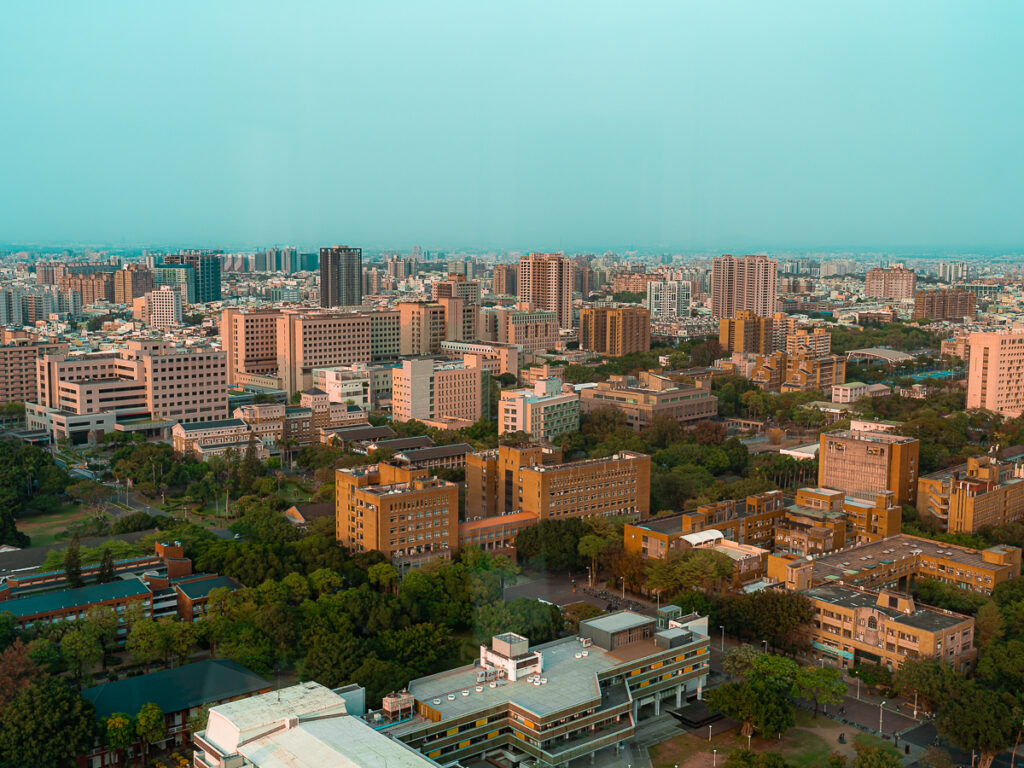
Taipei is modern, fast, and constantly evolving. Kaohsiung is larger, more spread out, and shaped by its port city identity. As Taiwan’s first capital, Tainan feels rooted in history. Remnants of Dutch colonization, Japanese occupation, and traditional Taiwanese architecture shape the city and blend seamlessly into daily life. If you want to understand Taiwan beyond its capital, Tainan provides that context.
Anping Historic District (安平地區)
If you’re interested in Taiwan’s early history, include the Anping Historic District as a key stop in your Tainan 3-day itinerary. This area marks Taiwan’s earliest port, where foreign trade and colonial influence shaped the island during periods of Portuguese, Dutch, Ming, Qing, and Japanese rule.
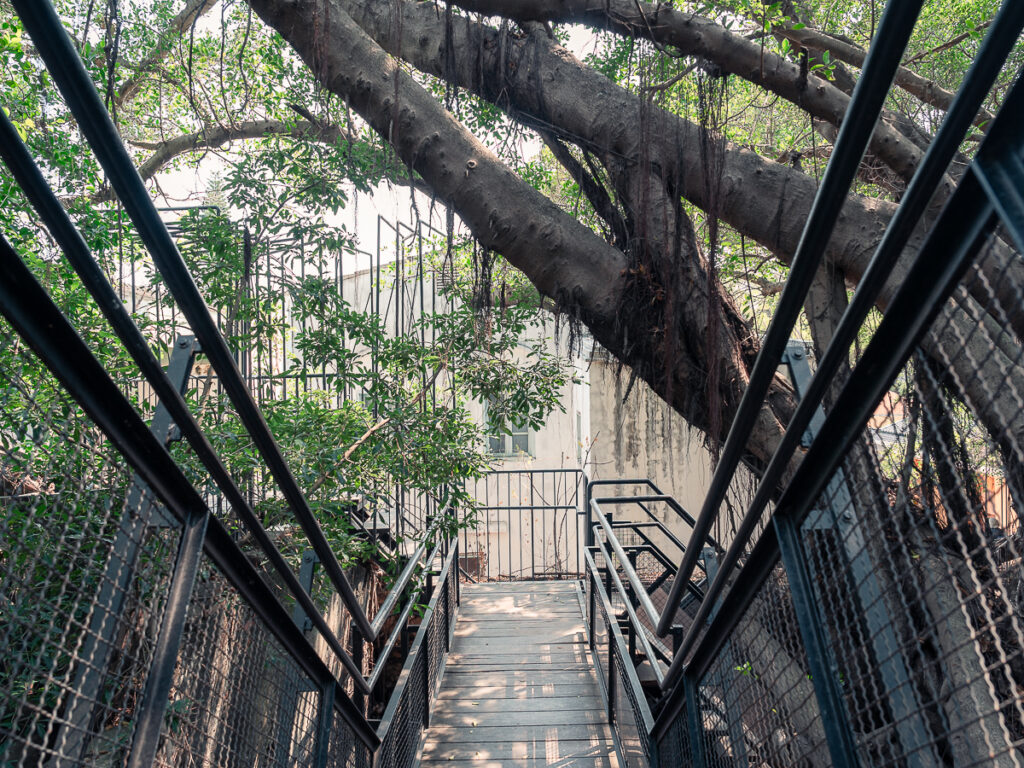
The most prominent landmark here is Fort Zeelandia, also known as Anping Old Fort (安平古堡), a surviving structure from Dutch colonization. Nearby, the Anping Tree House (安平樹屋) offers a striking contrast between architecture and nature. During the Japanese occupation, the structure served as a warehouse and later housed the Taiwan Salt Corporation, before banyan trees overtook it.
The banyan trees are technically an invasive species, but they’ve transformed the space into one of Tainan’s most photogenic sites. While capturing content solo, my camera may or may not have taken a tumble down the stairs here. Oops! Within the same complex, you’ll also find the Tait & Co. Merchant House and the Zhu Jiu-Ying Residence, which provide additional insight into Tainan’s trading past.
Anping Old Street (安平老街)
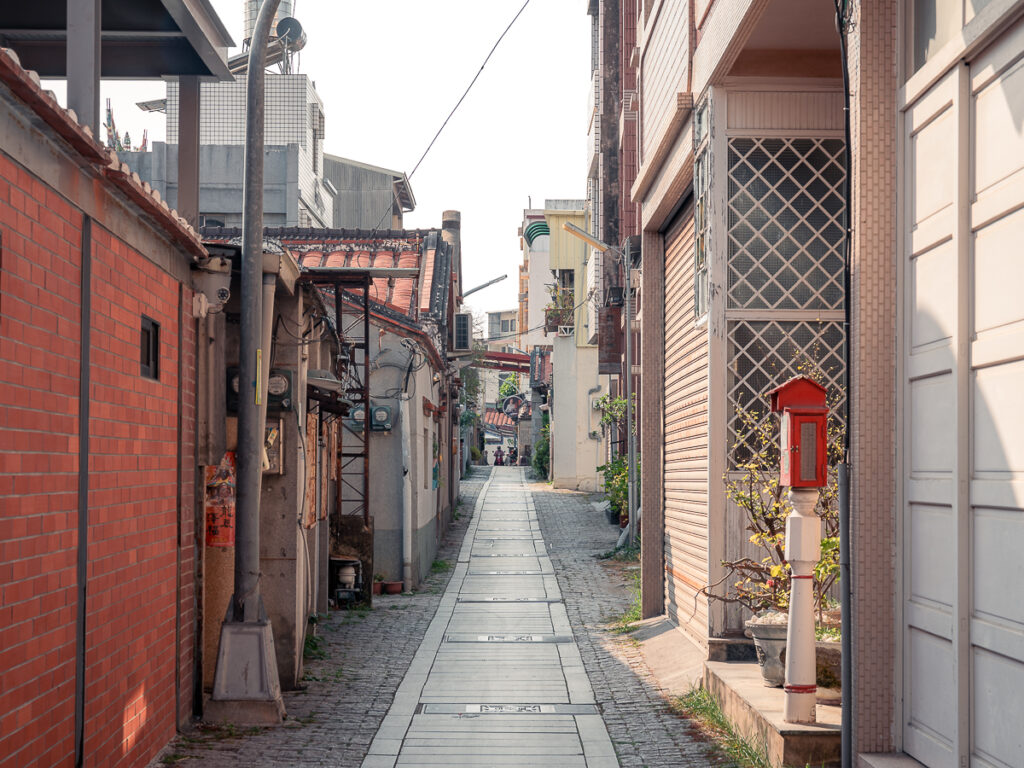
Just down the road from Anping Old Fort, Anping Old Street (安平老街) offers a more lived-in perspective of the district. This narrow lane is lined with traditional buildings, local snack vendors, and small shops selling regional specialties.
Strolling through Anping Old Street feels less like visiting an attraction and more like stepping into a preserved pocket of everyday life. Try some candied fruits (蜜餞), browse the shops, and take your time.
Sicao Green Tunnel (四草綠隧)
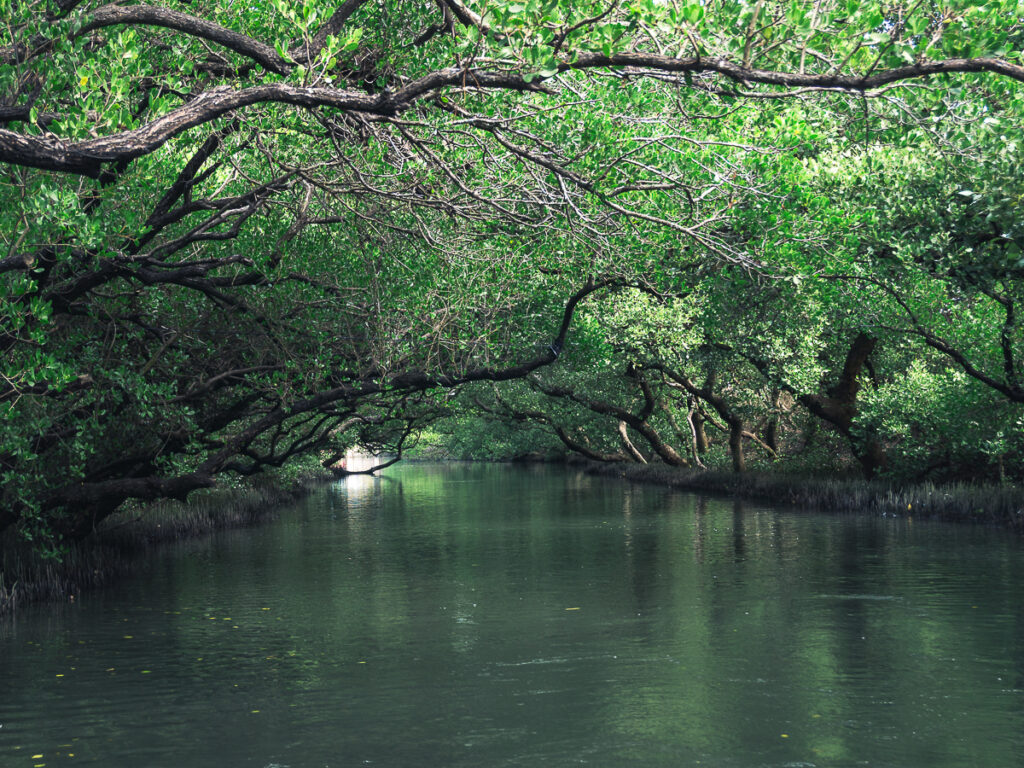
Dubbed by locals as the “Little Amazon River” (小亞馬遜河), the Sicao Green Tunnel is located within the Sicao Wetlands, part of Taijiang National Park. The Tainan City Government protects the wetlands, which support dense mangrove forests.
A short boat ride through the tunnel takes you beneath arching mangrove branches, creating a shaded corridor that feels far removed from the city. It’s a peaceful contrast to Tainan’s historic districts and an easy way to experience the region’s natural landscape without committing to a full-day excursion. However, if you’re superstitious, note that a cemetery sits right next to the Sicao Green Tunnel. I didn’t realize it at first, but once I saw it, I was very deliberate about NOT photographing in that direction, and averting my eyes when passing by.
Dadong Night Market (大東夜市)
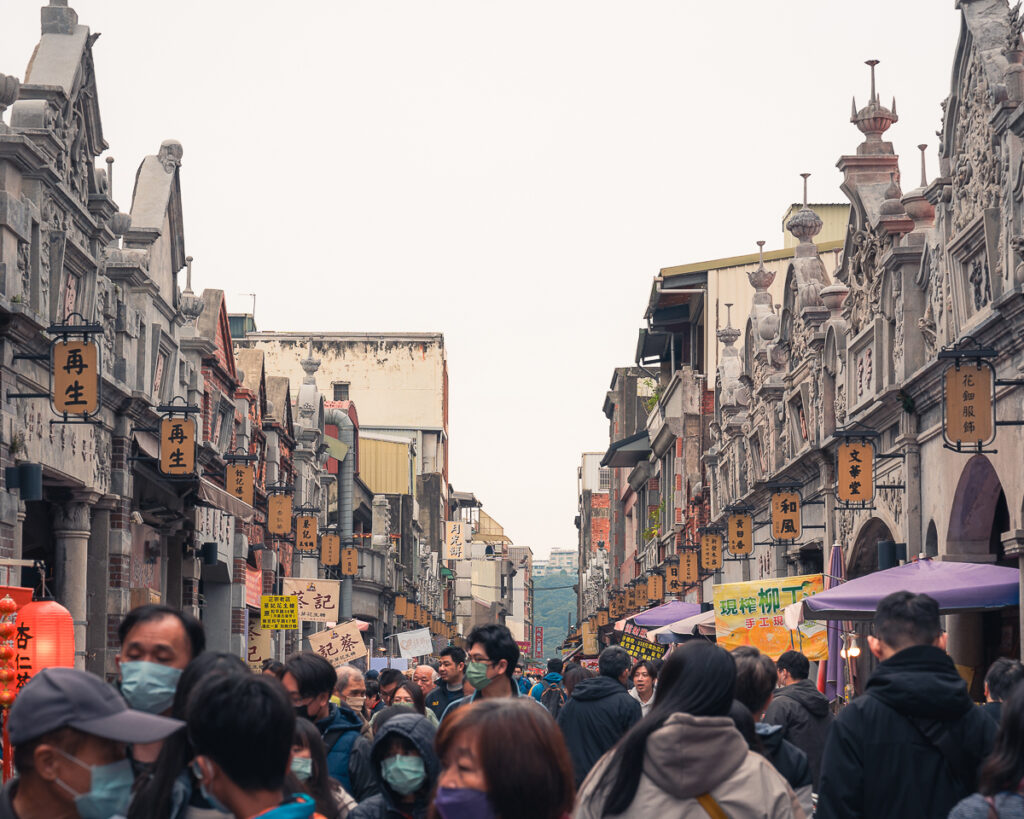
Night market culture in Taiwan is top-tier, and no visit to the island is complete without experiencing at least one. Tainan has several night markets, but Dadong Night Market (also spelled Ta-Tung) ranks as the second-largest and one of the most lively.
With dozens of food stalls packed into its walkways, the market offers everything from traditional snacks to more indulgent street food. On my visit, candied sweet potatoes stood out, but the fun part is sampling whatever catches your eye. Even if you’re already full, keep eating!
Is 3 Days Enough Time in Tainan?
For most travelers, three days is the sweet spot. It’s enough time to explore Tainan’s historic districts, experience its coastal wetlands, visit night markets, and still have room to wander without rushing from place to place. Tainan’s appeal lies in its ability to move between history, nature, and everyday life seamlessly. Three days is plenty for that balance.
Where To Stay in Tainan
Tainan offers a wide range of accommodations, from small guesthouses to full-service hotels. While walking through Xiaozhong Street, I came across several Sanheyuan-style houses converted into hostels. These U-shaped courtyard homes represent a classic form of Taiwanese architecture and offer a character-driven alternative to standard hotels.
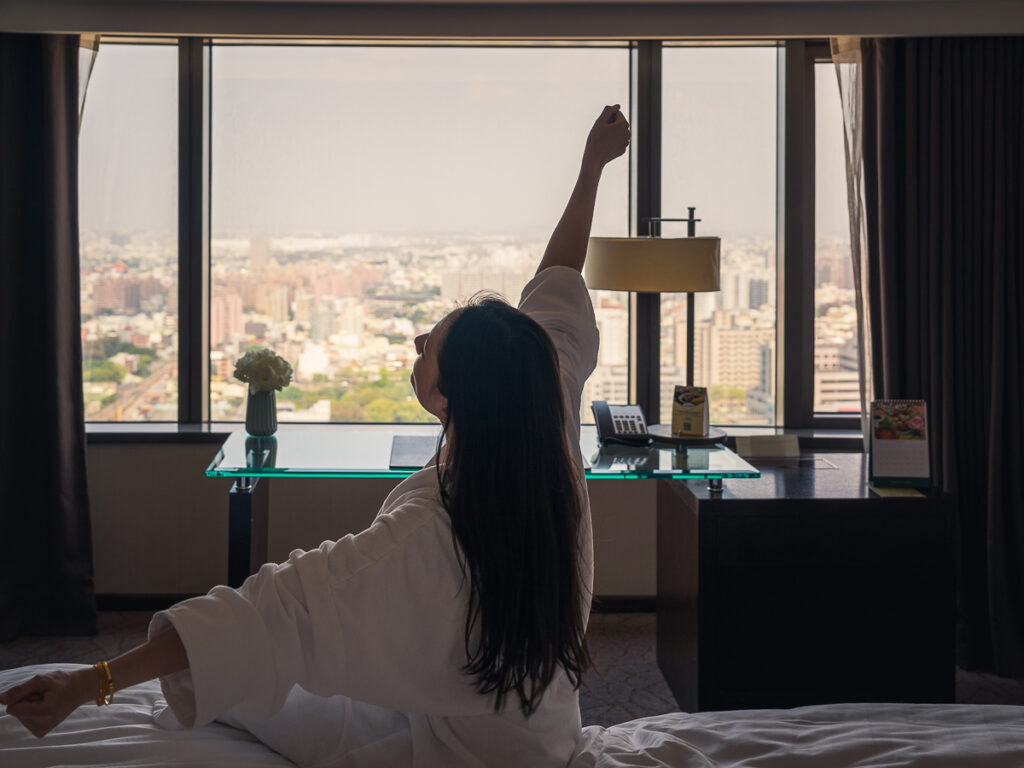
For travelers looking for luxury and comfort in downtown Tainan, Shangri-La Tainan is an excellent choice. The elegant 4-star hotel blends modern amenities with traditional Taiwanese hospitality and offers convenient access to public transportation and city attractions. When I last checked, rooms started around $100 USD per night, making it a solid choice.
When Is the Best Time to Visit Tainan?
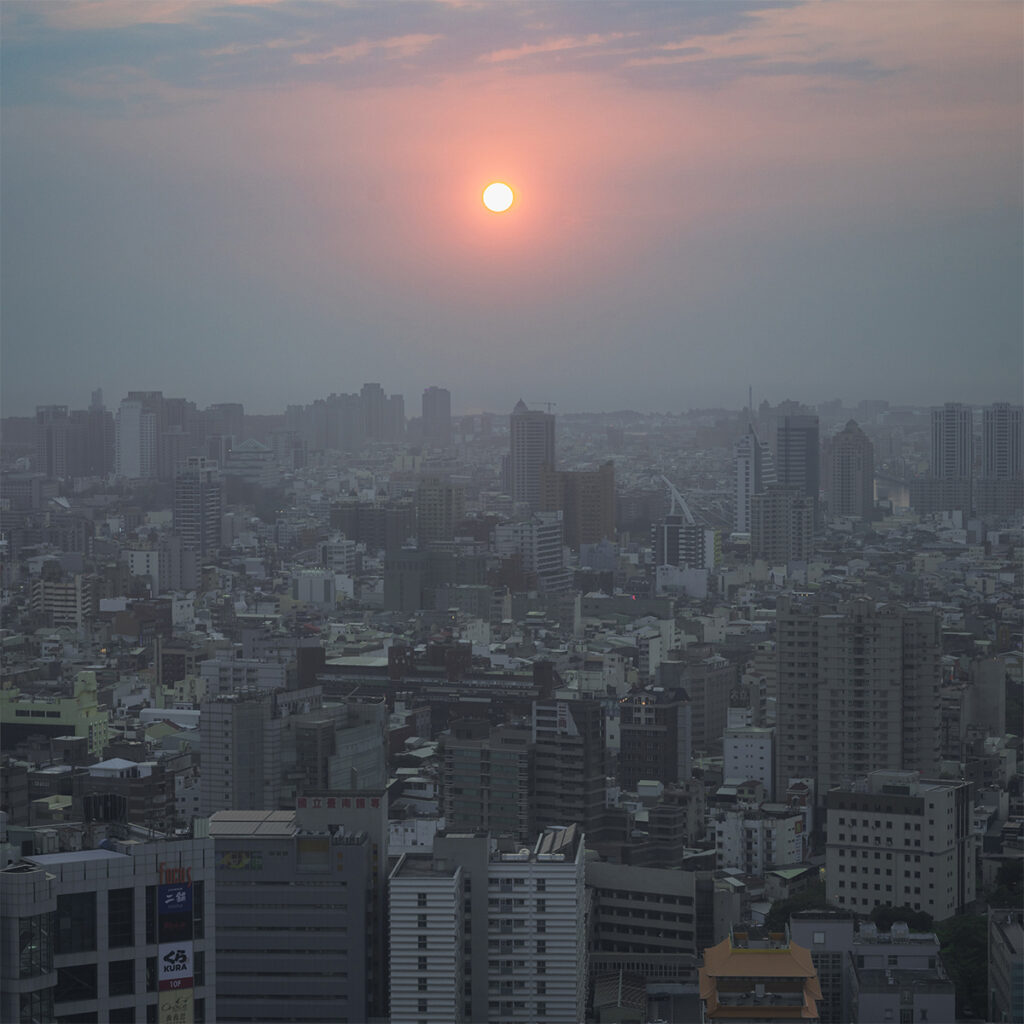
The most comfortable months to visit Taiwan are March, April, and November, when temperatures are mild and humidity is manageable. Summer months are offensively hot and humid, while winter is cold and clammy. Many buildings, especially older ones, don’t have heaters since the country is hot the majority of the year.
November is probably the best month to explore Taiwan more broadly. On my most recent trip back, I returned during November to visit Maolin National Scenic Area, when weather conditions were ideal for seeing the Purple Crow Butterfly migration. Pairing Tainan with other southern destinations during this season makes logistical and climatic sense.
To conclude, Tainan doesn’t compete for attention in the way Taipei does, and that’s part of its appeal. Spending three days here is enough time to get a feel for the city. For travelers looking to explore Taiwan beyond its capital, Tainan is a good starting point.
FAQ About Visiting Tainan in 3 Days
Is Tainan worth visiting for first-time travelers to Taiwan?
As Taiwan’s former capital, Tainan offers historic districts, temples, and wetlands that provide context beyond Taipei’s modern cityscape.
Is 3 days enough time to visit Tainan?
Three days is ideal for first-time visitors. It allows enough time to explore historic areas like Anping, visit nearby wetlands, and experience night markets.
When is the best time to visit Tainan?
The most comfortable months to visit Tainan are March, April, and November, when temperatures are mild, and humidity is lower than in summer.
How does Tainan compare to Taipei or Kaohsiung?
Tainan is quieter and more historically focused. It’s also more compact and walkable, making it well-suited for visitors.
Is Tainan easy to get around without a car?
Yes. Many of Tainan’s main attractions are walkable or accessible by taxi, making it easy to explore without renting a car.
Leave a Reply
is the creative studio of Erin Donahue, offering photography, videography, and content creation services for brands, hotels, tourism boards, and publications.
Based in New York City, but available globally, this multi-disciplinary digital creative left a career in the hedge fund space to pursue her passion as a travel and brand photographer, creating imagery that resonates with audiences. She approaches every project with a focus on storytelling, producing visuals that engage and inspire.
Her work has been commissioned by brands like Sony, Apple, and Google, and the content she has created has reached millions across social media.
To keep up to date with everything she shares, follow along on social media and read up on what camera gear she uses to capture the shot.
Niredonahue®