Journey to Taiwan’s Purple Crow Butterfly Migration in Maolin
Disclosure: Some links may be affiliate links. This means that I may earn a small commission if you decide to buy (at no additional cost to you)
Last Updated on December 16, 2025 by Erin Donahue
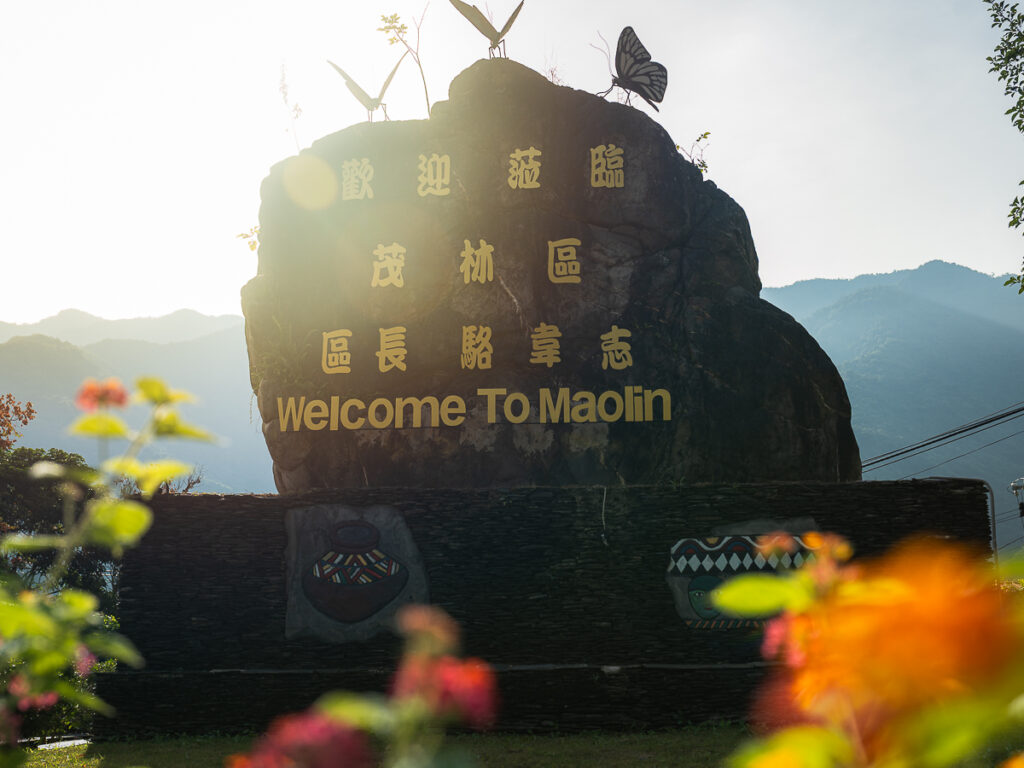
When most travelers think of Taiwan, bustling night markets and Taipei 101 typically come to mind. Far from the urban sprawl, nestled in the southwestern part of this island nation, lies one of its most extraordinary and least understood natural phenomena: the Purple Crow Butterfly migration in Maolin National Scenic Area (茂林國家風景區).
I first traveled to Maolin after my mom mentioned it to me almost in passing, knowing how invested I am in showcasing Taiwan beyond Taipei. I was surprised that something so significant barely registered on international itineraries, and even more surprised to learn that most Taiwanese people had never heard of it either.
My first visit didn’t go as planned. Cloudy skies in January kept the butterflies dormant, and the valley felt suspended in stillness. Instead of writing it off, I returned to southern Taiwan again later that same year in November, under sunny skies when temperatures across most of the island are at their most comfortable. The difference was immediate.
It took standing in Maolin to understand why Taiwan is nicknamed the Kingdom of Butterflies.
About Maolin National Scenic Area (茂林國家風景區)

Located at the western foothills of Taiwan’s Central Mountain Range, the Maolin National Scenic Area spans three river systems and encompasses some of the most diverse ecosystems in the country. This protected region offers a striking contrast to Taiwan’s urban cities, like Kaohsiung and Hsinchu, with its lush valleys and dramatic mountain backdrops.
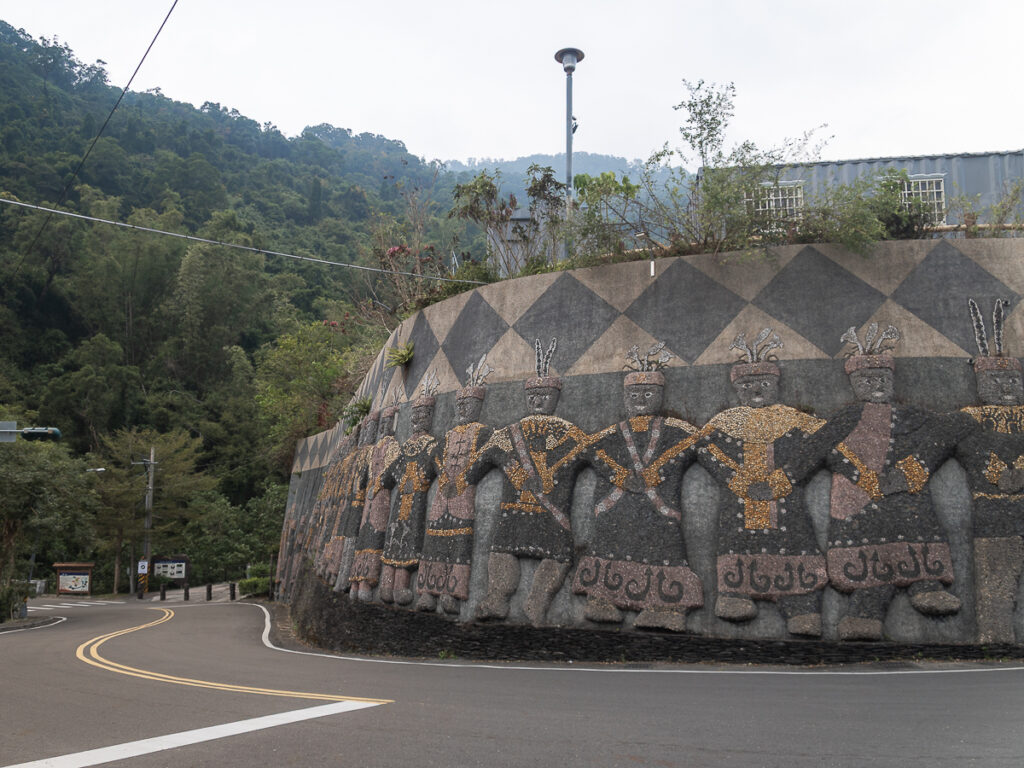
What makes Maolin special is how it blends natural wonders with cultural heritage. The scenic area’s protected status makes it an important conservation zone for Taiwan’s biodiversity. Maolin is also home to the Rukai tribe, one of Taiwan’s Indigenous groups, whose presence adds cultural depth to the landscape. Visitors to Maolin have the rare opportunity to experience both ecological marvels and cultural immersion in one destination.
The ecological importance becomes most visible in winter.
Where to See Butterfly Migration in Taiwan
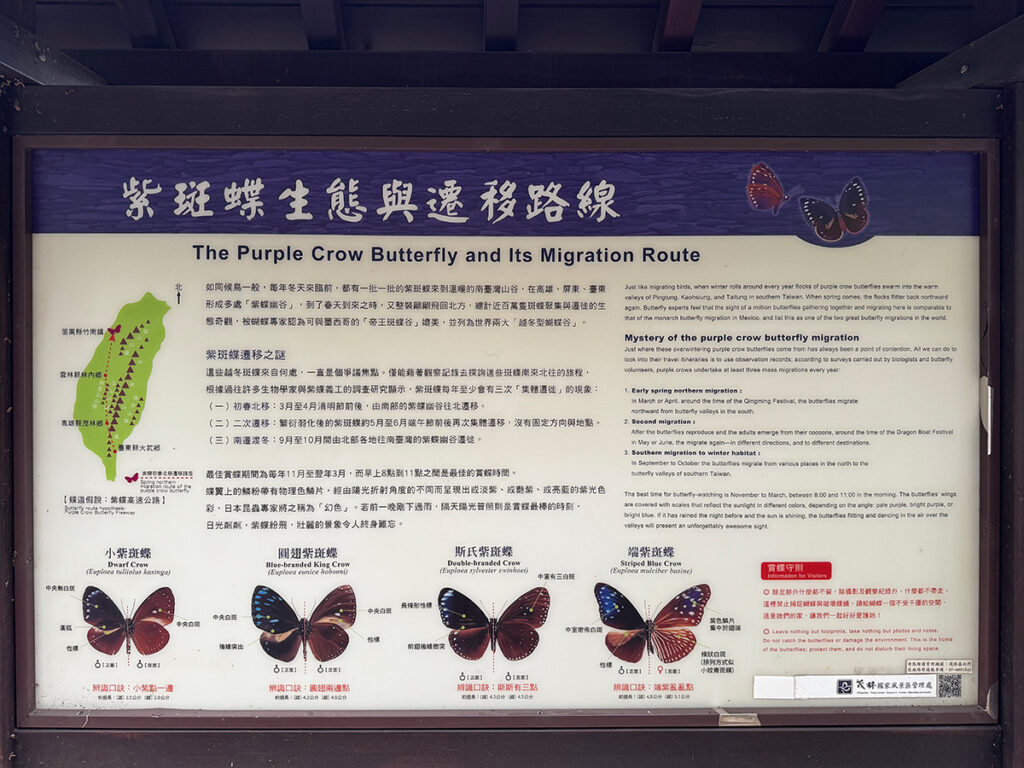
If you’re wondering where to see butterfly migration in Taiwan, Maolin National Scenic Area is the most reliable and well-protected place to do so. Each winter, the area becomes home to Purple Butterfly Valley, the second-largest butterfly sanctuary in the world.
Every year, from November through March, thousands of Purple Crow Butterflies (Euploea species) migrate to Maolin’s sheltered valleys to overwinter. During peak conditions, the forested slopes fill with clusters of dark brown and purple wings. While Mexico’s Monarch migration receives far more international attention, Maolin’s phenomenon is just as remarkable, more mysterious, and far less crowded.
The Purple Crow Butterfly
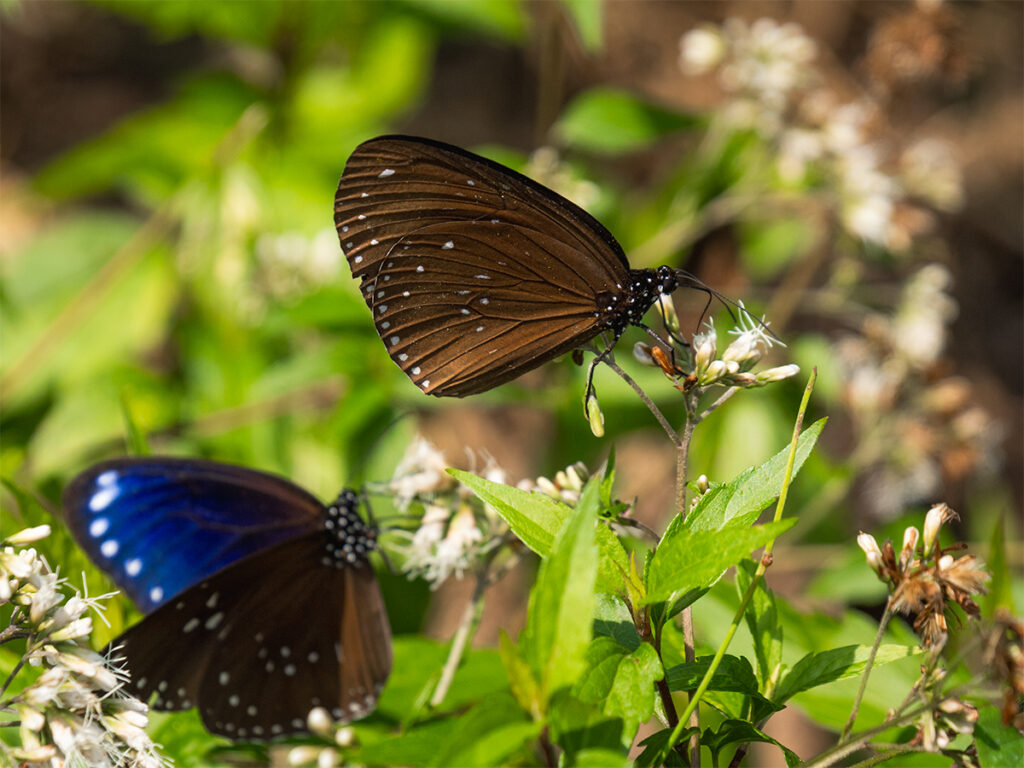
For those that don’t know, one of Taiwan’s nicknames is the “Kingdom of Butterflies” because it’s home to 55 endemic species, and Maolin plays a critical role in sustaining that biodiversity. The Purple Crow Butterfly is particularly drawn to Maolin’s microclimate, which offers the right balance of temperature, humidity, and vegetation during the winter months. The Purple Crow Butterfly follows a north–south route across Taiwan, similar to migratory birds. In early spring, the butterflies move north from southern valleys; in summer, they disperse to breed; and by early autumn, they begin their return south.
Conservation efforts here are intentional. The visitor center and informational signs can be found throughout the area that map out the full migration. Seeing the migration in person makes it clear that Maolin is a barometer for Taiwan’s environmental health.
Best Time and Conditions to Visit Maolin National Scenic Area
For nature and wildlife enthusiasts, the best conditions to see the Purple Crow Butterfly migration in Maolin National Scenic Area are mornings between 8–11 am, from November–March. However, the weather plays a decisive role in whether you’ll actually see them. On cloudy, windy, or rainy days, the butterflies remain clustered and inactive — something I experienced during my first visit in January. When I returned later in the year under clear November skies, the valley felt alive.
November is one of the best months to travel in Taiwan overall, though destinations like Kenting are strictly better experienced in the summer. If seeing the butterfly migration is one of your primary goals for visiting Taiwan, a trip to Maolin should be planned as a flexible stop, ideally paired with time in Kaohsiung. At a minimum, I recommend at least two days allocated to the Maolin area. This gives you a better chance of catching ideal weather conditions when the butterflies are most active.
Returning to Maolin National Scenic Area Twice Within A Year
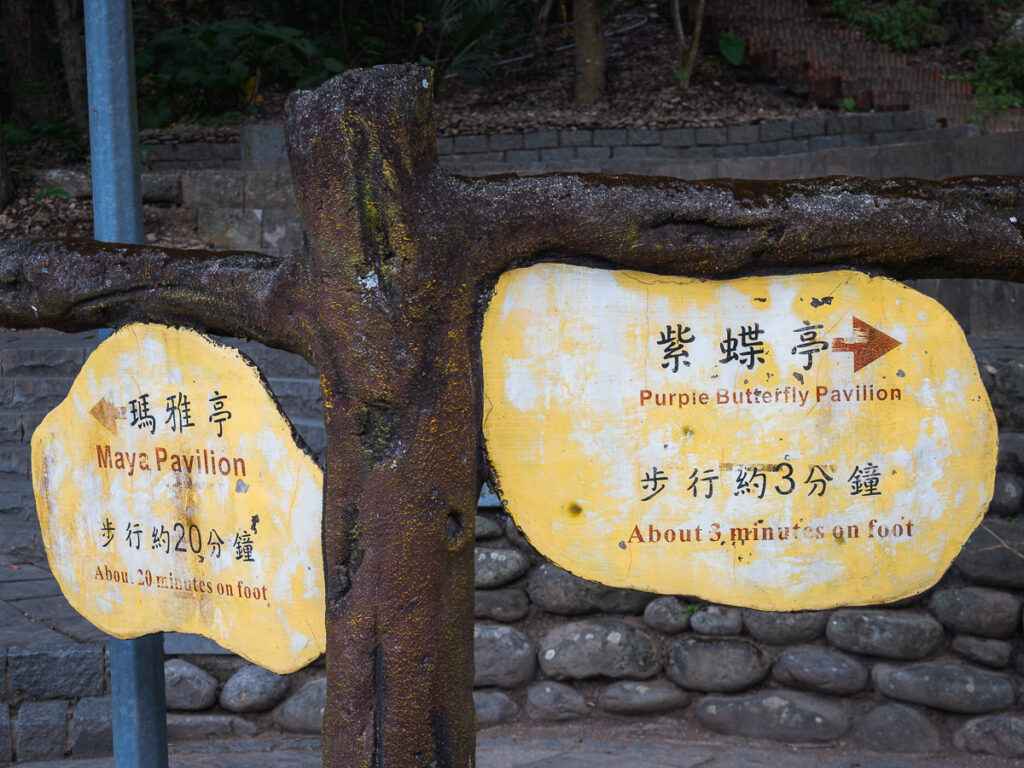
Like a lot of things I do around photography, location scouting usually requires more than one visit. What changed between my first and second visit to Maolin was a better understanding of the butterfly’s behavior.
The second time, I arrived earlier and stayed longer. The valley was quiet enough that I could hear other visitors’ voices carry across the path. The trail itself is hilly, and I moved with purpose, scanning the trees for clusters — only to realize the butterflies were too active to settle. Instead of hanging in dense curtains like I was hoping to capture, they flitted constantly through the air.
How to Get to Maolin National Scenic Area
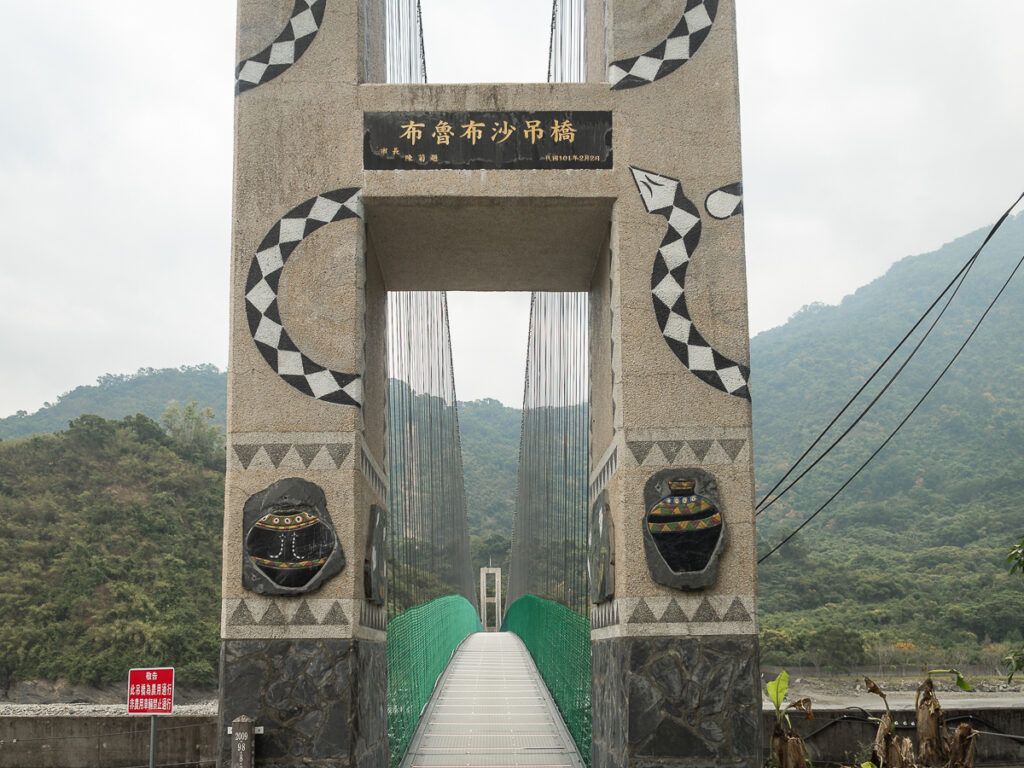
Maolin National Scenic Area is located about 90 minutes from Kaohsiung City.
- By Car (Recommended): Hiring a driver or having your own rental car (or moped) provides the most flexibility for exploring the area.
- By Public Transportation: Bus services run from Kaohsiung to the Maolin area, but schedules may be limited. Check the official Maolin National Scenic Area website or Kaohsiung’s public transportation information for the most current bus routes and timetables. Be sure to plan your return trip carefully, as service may be infrequent.
- Guided Tours: Several tour operators in Kaohsiung offer multi-day trips to the Maolin National Scenic Area. This option provides transportation but offers less flexibility than having your own vehicle. That matters when timing is of the utmost importance.
Maolin National Scenic Area Remains One of Taiwan’s Hidden Gems
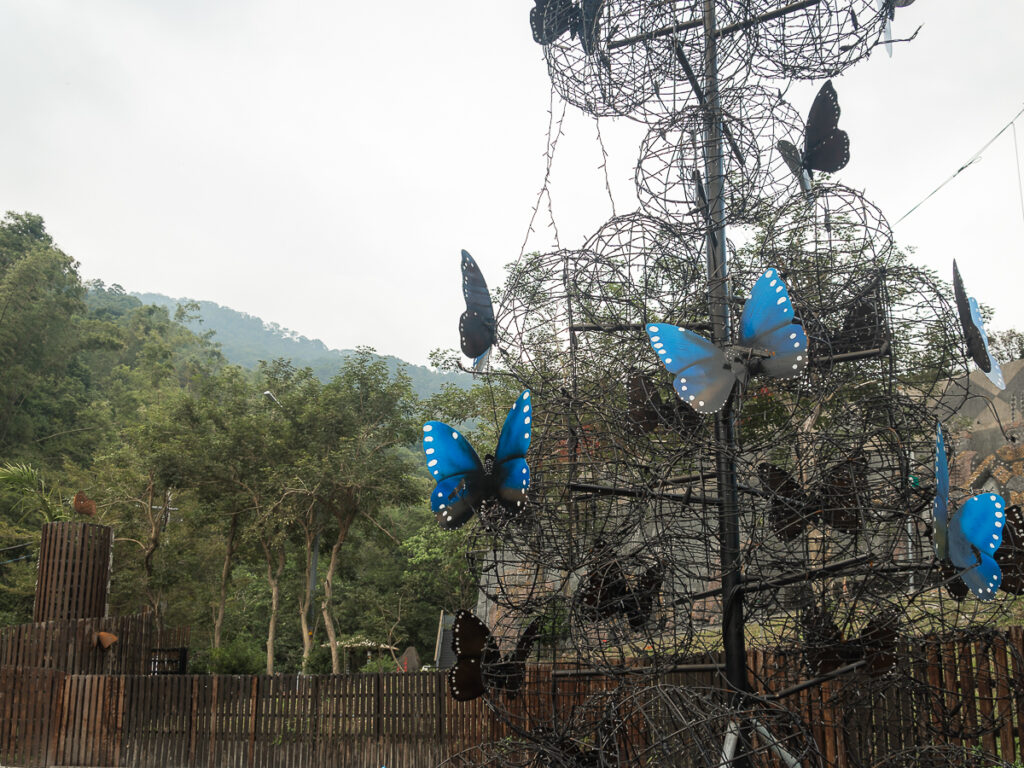
Despite its ecological importance, Maolin National Scenic Area remains largely unknown, even among local Taiwanese. Most international travelers to Taiwan only visit Taipei, with some only venturing further to Sun Moon Lake and maybe Kenting or Hualien’s Taroko Gorge in the summer. Maolin continues to fly under the radar.
That invisibility is both Maolin’s protection and its risk. Fewer visitors mean fewer disturbances, but also less awareness. Unlike some of Taiwan’s more popular destinations, you’ll rarely encounter large groups here, which makes it a true hidden gem for those seeking authentic experiences away from tourist crowds.
The conservation efforts in Maolin also showcase Taiwan’s commitment to protecting its unique biodiversity. The annual butterfly migration serves as both a natural wonder and an important ecological indicator for the health of Taiwan’s ecosystems.
Taiwan is The Kingdom of Butterflies
My journey to the Maolin National Scenic Area was the primary driver for returning to southern Taiwan. This corner of the island offers a glimpse into both natural wonders and cultural heritage that few international travelers experience.
If you’re planning a trip to Taiwan and want to venture beyond the usual highlights, consider adding Maolin National Scenic Area to your itinerary. Whether you’re there to witness the purple crow butterfly migration, hike through its scenic trails, or learn about Taiwan’s indigenous cultures, Maolin offers experiences that showcase Taiwan’s remarkable diversity. Just remember to allow enough time, and check weather forecasts if you’re hoping to see the butterflies. Some of the best travel experiences come from venturing off the beaten path!
To keep up to date with everything I share, follow along on my social media and read up on what camera gear I use when I travel.
FAQ About Purple Crow Butterfly Migration in Maolin National Scenic Area
Why is Taiwan called the Kingdom of Butterflies?
Taiwan is home to 55 endemic butterfly species, and large-scale migrations like the Purple Crow Butterfly migration in Maolin have contributed to its nickname as the Kingdom of Butterflies.
When is the best time to see the Purple Crow Butterfly migration in Taiwan?
The best time to see the Purple Crow Butterfly migration is from November through March, with clear, sunny mornings between 8–11 am offering the most activity.
Where is the best place to see butterfly migration in Taiwan?
Maolin National Scenic Area is the most reliable and well-protected place to see butterfly migration in Taiwan, hosting Purple Butterfly Valley, the second-largest butterfly sanctuary in the world.
Do the butterflies appear every day during migration season?
Butterfly activity depends heavily on the weather. On cloudy, windy, or rainy days, butterflies remain clustered and inactive, making sightings less dramatic.
How much time should I plan for Maolin National Scenic Area?
Plan at least two days in the Maolin area to allow flexibility for weather conditions, especially if seeing the butterfly migration is a priority.
Is Maolin National Scenic Area easy to reach from Kaohsiung?
Maolin is about a 90-minute drive from Kaohsiung City. Visiting by car or private driver offers the most flexibility, while public transportation is possible but limited.
Leave a Reply
is the creative studio of Erin Donahue, offering photography, videography, and content creation services for brands, hotels, tourism boards, and publications.
Based in New York City, but available globally, this multi-disciplinary digital creative left a career in the hedge fund space to pursue her passion as a travel and brand photographer, creating imagery that resonates with audiences. She approaches every project with a focus on storytelling, producing visuals that engage and inspire.
Her work has been commissioned by brands like Sony, Apple, and Google, and the content she has created has reached millions across social media.
To keep up to date with everything she shares, follow along on social media and read up on what camera gear she uses to capture the shot.
Niredonahue®