Insights Into a 48 Hour Weekend Trip to Guadeloupe from NYC
Disclosure: Some links may be affiliate links. This means that I may earn a small commission if you decide to buy (at no additional cost to you)
Last Updated on February 25, 2026 by Erin Donahue
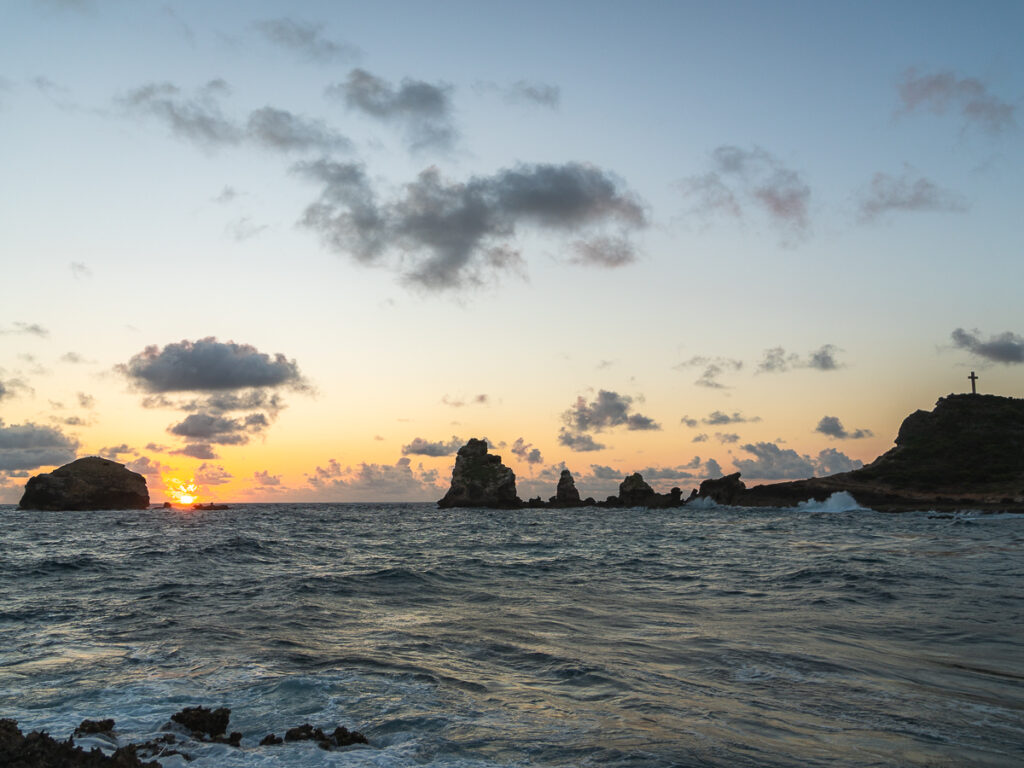
The alarm went off, and I hit snooze. I told myself, “Just 10 more minutes.” In the darkness of my hotel room in Pointe-à-Pitre, eyelids still heavy with sleep, the compromise seemed reasonable. When the alarm sounded off again, I did the mental math I always do on these trips: drive time, camera setup time, the pre-dawn blue hour before golden hour lights up the land.
That extra 10 minutes of sleep was going to cost me.
I jumped out of bed.
The island of Guadeloupe is only a four-hour flight from New York City. That makes weekend, or even day-trips if you’re aggressive, possible. The upside is it’s an adrenaline rush. You arrive, you see what you came for, and you leave. The downside is that there’s no easing into a destination. No lazy mornings figuring out the rhythm of a place.
Not to be confused with Guadalupe in Mexico, Guadeloupe is pronounced “gwaa·duh·loop” and is part of the Lesser Antilles in the Caribbean Sea. I’d never heard of it until a Norwegian Air fare sale came to my inbox (RIP to their US routes). That’s typically how I travel: let the deals determine the destination.
Why Grande-Terre Over Basse-Terre for Weekend Trips
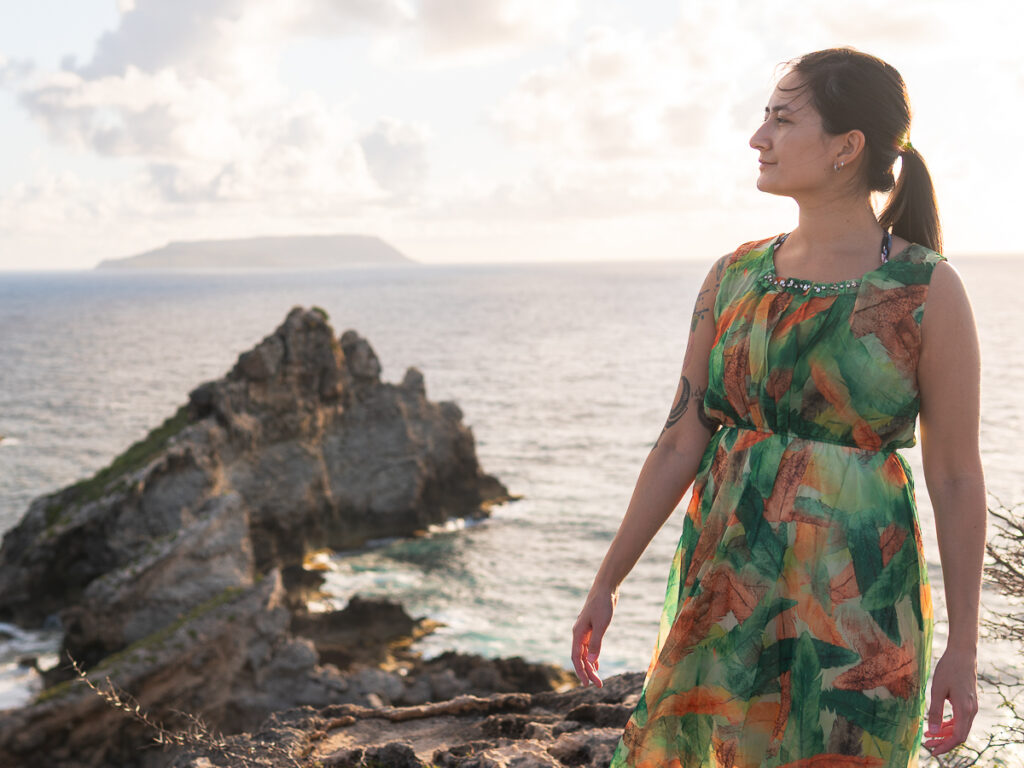
The island is uniquely butterfly-shaped, split into two landmasses connected by a narrow channel called the Salée River. The west side is called Basse-Terre and is known for its mountains and lush rainforests. The east side is flatter and called Grande-Terre. This is where you can find most resorts and cultural attractions like the Memorial ACTe museum.
Since it was my first time traveling to the island, I opted for the flat side. A quick Google search helped me decide my main target to photograph: Pointe des Châteaux, the easternmost point of Grande-Terre, where the Atlantic Ocean meets the Caribbean Sea. Since it was the East Coast, I had to photograph it at sunrise, and I only had one morning to make it happen.
Timing Your Drive to Pointe des Châteaux for Sunrise
The rental car’s dashboard glowed in the pre-dawn darkness as I pulled onto the road. I had studied the route the night before, downloaded an offline Google Maps, and took screenshots in case I lost service. But studying a map and driving it in the dark are different things. Being the only car on the road for most of the drive, my headlights carved through empty streets, reflecting on the occasional road sign as I dashed past. My eyes wanted sleep, but my camera bag in the passenger seat was a reminder of why I was doing this.
For most of the drive, I had the road to myself. Then, with only about twenty minutes in the drive left, red taillights suddenly appeared ahead of me. The road narrowed to one lane, and I was stuck behind them. Just my luck. To my chagrin, they weren’t in a hurry. I watched the gap between us close, then hold steady as they maintained their leisurely pace. Every minute ticked by so slowly as I waited for an opening so I could pass them. The color of the sky was starting to shift from deep blue to light purple.
Finally, with only a few minutes to spare before the sun would break the horizon, the road opened up, and Pointe des Châteaux revealed itself. The parking area was empty except for one other car. Must have been another early riser or someone who’d never left from the night before. There was no time to hike up the trail to the Great Cross, the main point of interest at the peninsula’s tip, with panoramic views. But it didn’t matter. My objective was simply to see the sun rise over the ocean where the Atlantic converges with the Caribbean Sea.
I set my tripod on the beach right as it happened.
What Makes Pointe des Châteaux Sunrise Worth the Early Wake-Up
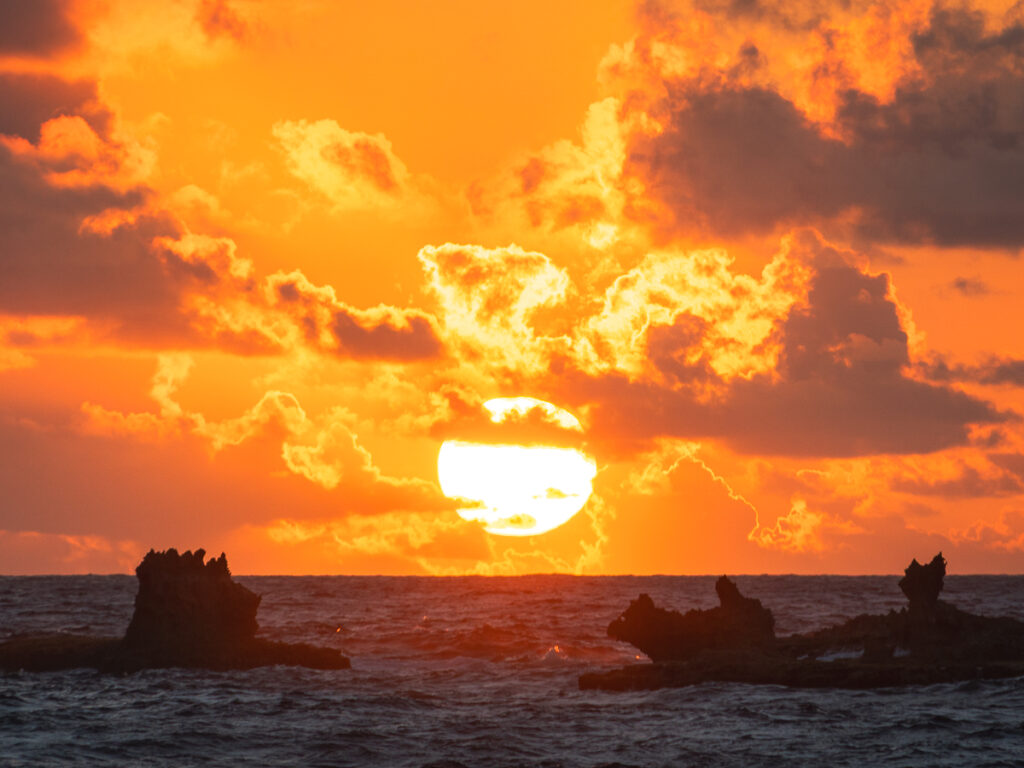
In the photography world, we call sunrises and sunsets like this “a burner.” The sun emerged as a distinct orange sphere, unobstructed by the clouds scattered across the sky. Those clouds actually added to the scene, the difference between a bland sunrise and a dramatic one. The sky glowed orange, then shifted to pink. It’s a gradient that only lasts for a few minutes before the sun climbs too high and washes everything out.
I shot frame after frame, adjusting exposure, trying to capture what my eyes were seeing. Since I was using a telephoto lens, the sun looked massive when zoomed in, but when I went wide to include the landscape, it became a tiny speck. That’s typical of compression in photography.
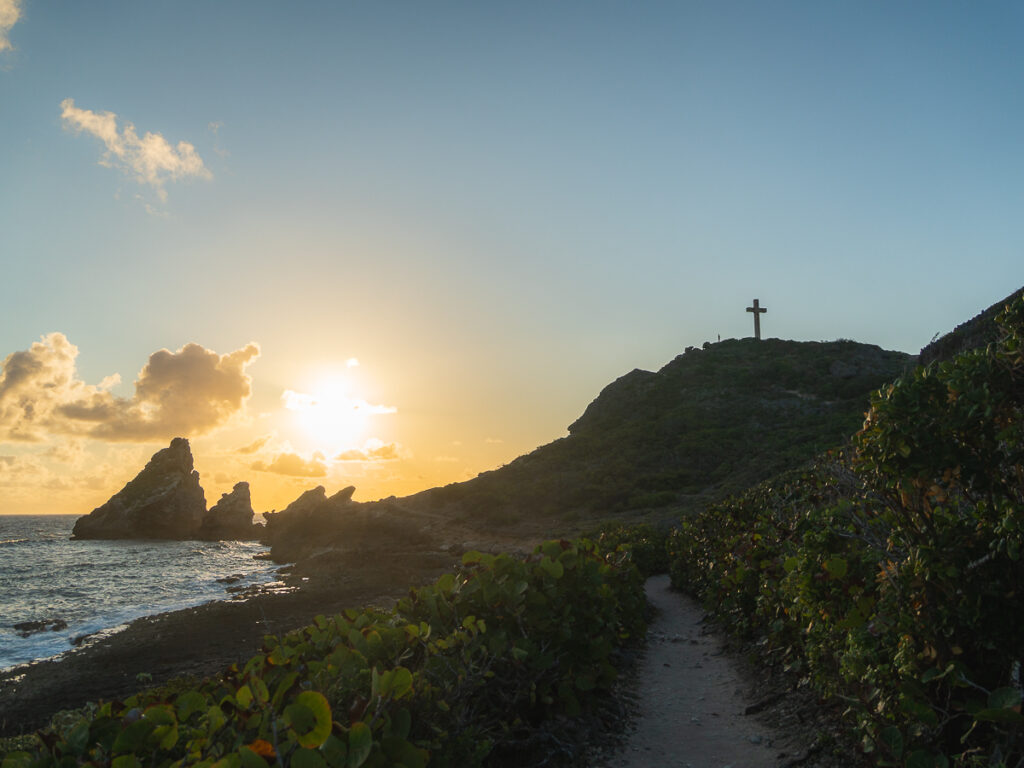
The air was comfortable at first, but as the sun climbed higher, so did the heat and humidity. That Caribbean Island warmth that starts pleasantly quickly feels like a suffocating blanket. I kept my eye to the viewfinder, adjusting settings as the light kept changing. At some point, I made myself stop to take it in with my own eyes, not just through the camera. In the distance, more people arrived at the Great Cross. Them and the surrounding cliffs stood silhouetted in the backlight of the sun’s rays. While standing on the beach, I thought about how I was on the edge of an island I didn’t know existed a month ago.
Yet, this is why I travel. Not for the leisurely mornings, but for the confirmation that there’s so much of the world to see rather than sitting at a desk in New York City. That sunrises are happening in places I don’t know exist. Standing at Pointe des Châteaux was a reminder that the effort is always worth it. Chasing scenes like this is worth losing sleep over.
Beyond Sunrise During a Weekend Trip to Guadeloupe from NYC
Once the sun was high enough and most of the saturated color was gone, I packed up my gear and started the climb toward the Great Cross. Ironically, being on an island, I completely forgot to dip my toes in the ocean before trekking off. The trail wound upward, and I quickly realized that the tiny silhouette of the cross on the hill was actually massive up close.
At the top, the view opened up in every direction. Jagged volcanic rock formations jutted from magnificent turquoise water. Some pieces seemingly floating, disconnected from the main peninsula. It reminded me of photos I’d seen of Nusa Penida in Indonesia, the Instagram-famous cliffs, except I didn’t have to fight any crowds for the shot. I passed by a couple sitting together and taking in the moment, silhouetted against the ocean and rising sun. There was something calming about observing two people completely absorbed in each other in this moment.
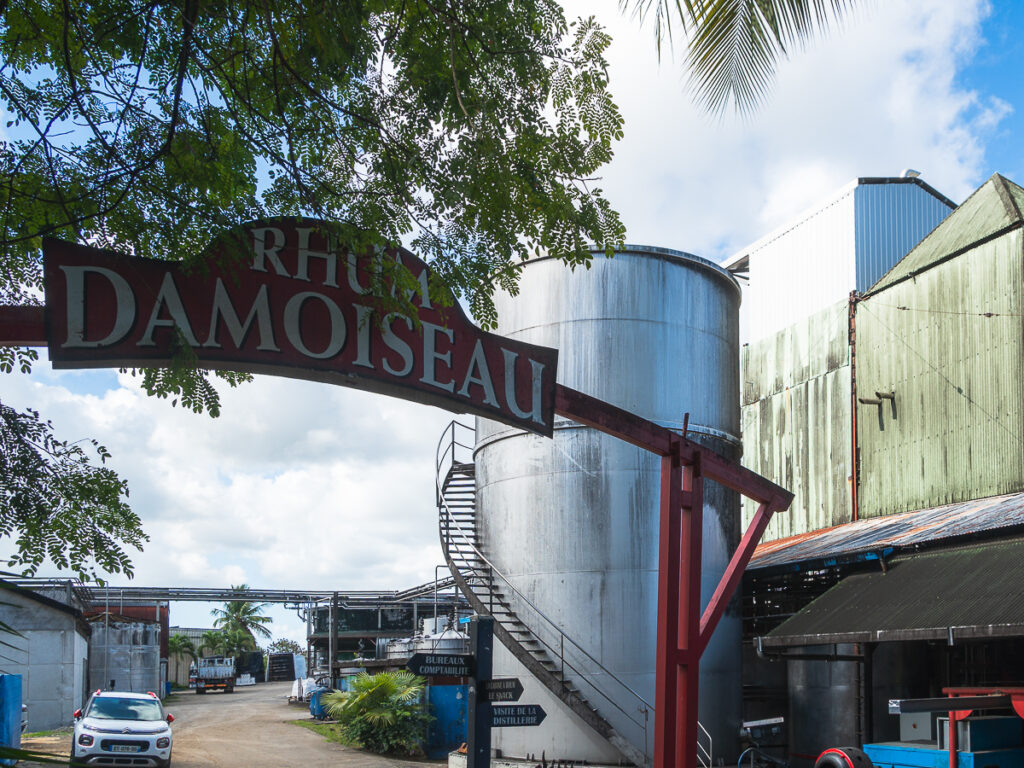
From up here, I could see the road I’d driven in the dark, now fully visible in daylight. The geography that had been indistinguishable a few hours ago was suddenly clear. I stayed long enough to shoot the cliffs from different angles, and after checking my watch to see that it was still early before the rest of the island woke up, I decided I could squeeze in one more excursion before my flight. That’s the perk of photographing sunrise. A real early bird gets the worm, if you will. Being in the Caribbean, a visit to a rum distillery felt like a no-brainer, even at an ungodly hour when most people haven’t had their first coffee. The island is small enough that I had time to check out Damoiseau.
I walked back down the trail, got in the rental car, and drove back along D118. By the time I returned the car and boarded my flight back to JFK, sunrise at Pointe des Châteaux already felt like a fever dream. That’s how these short trips go. You see something amazing, and then you’re immediately back to normal life, like it never happened. But my photos prove otherwise.
FAQs About Visiting Guadeloupe from NYC
How long is the flight from New York to Guadeloupe?
The flight from NYC to Guadeloupe is approximately 4 hours direct. This makes it one of the closest Caribbean destinations for East Coast travelers, comparable to flight times to Turks and Caicos or Aruba.
Can you visit Guadeloupe as a day trip from NYC?
Technically possible but extremely aggressive. With a 4-hour flight each way, you’d spend 8+ hours traveling for only a few hours on the island. A weekend trip (48-72 hours) is more realistic and allows you to actually experience key sights like Pointe des Châteaux without feeling rushed.
How early do you need to leave for Pointe des Châteaux sunrise?
Plan to leave your accommodation by 4:30 AM if you’re staying in Pointe-à-Pitre. The drive takes about 45 minutes under normal conditions, but factor in extra time for potential slow traffic on route D118 and parking/setup time before the sun breaks the horizon.
What’s the best side of Guadeloupe for first-time visitors?
Grande-Terre is better for short trips and first-timers. It’s flatter, more compact, and home to major attractions like Pointe des Châteaux and the Memorial ACTe museum. Basse-Terre offers mountains and rainforests, but requires more driving time.
Do you need a car to visit Pointe des Châteaux?
A rental car is essential. Public transportation to Pointe des Châteaux is limited and won’t accommodate early sunrise timing. Download offline Google Maps before driving—cell service can be spotty on route D118, especially in pre-dawn darkness.
Leave a Reply
is the creative studio of Erin Donahue, offering photography, videography, and content creation services for brands, hotels, tourism boards, and publications.
Based in New York City, but available globally, this multi-disciplinary digital creative left a career in the hedge fund space to pursue her passion as a travel and brand photographer, creating imagery that resonates with audiences. She approaches every project with a focus on storytelling, producing visuals that engage and inspire.
Her work has been commissioned by brands like Sony, Apple, and Google, and the content she has created has reached millions across social media.
To keep up to date with everything she shares, follow along on social media and read up on what camera gear she uses to capture the shot.
Niredonahue®