Disclosure: Some links may be affiliate links. This means that I may earn a small commission if you decide to buy (at no additional cost to you)
Last Updated on June 16, 2026 by Erin Donahue
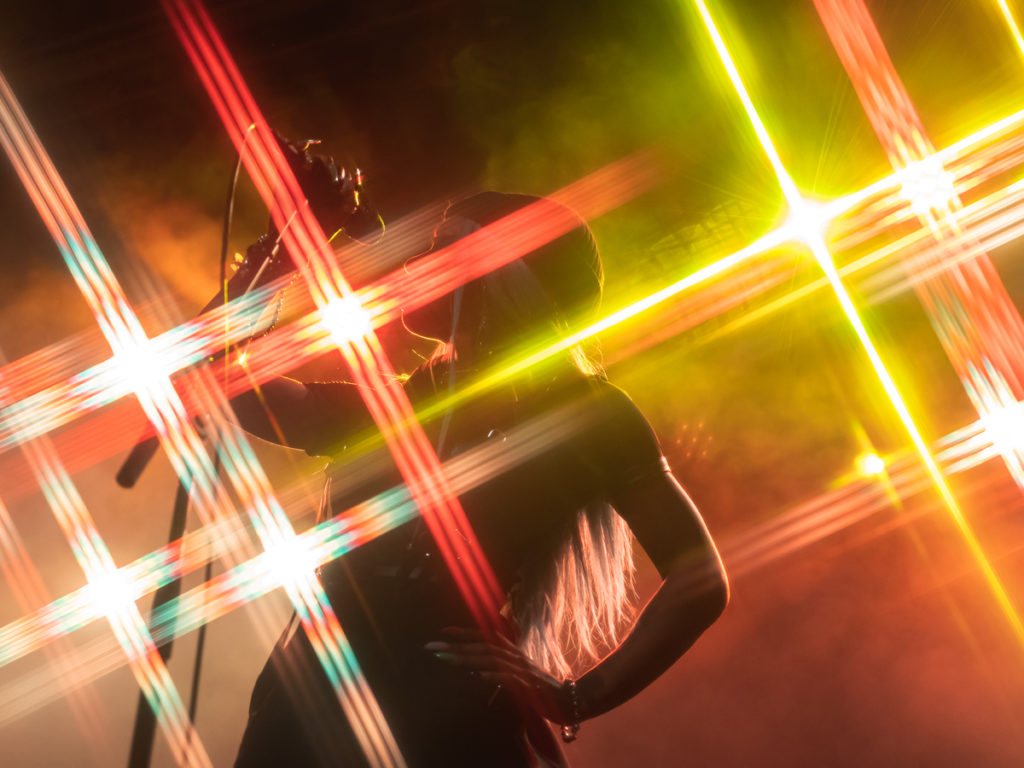
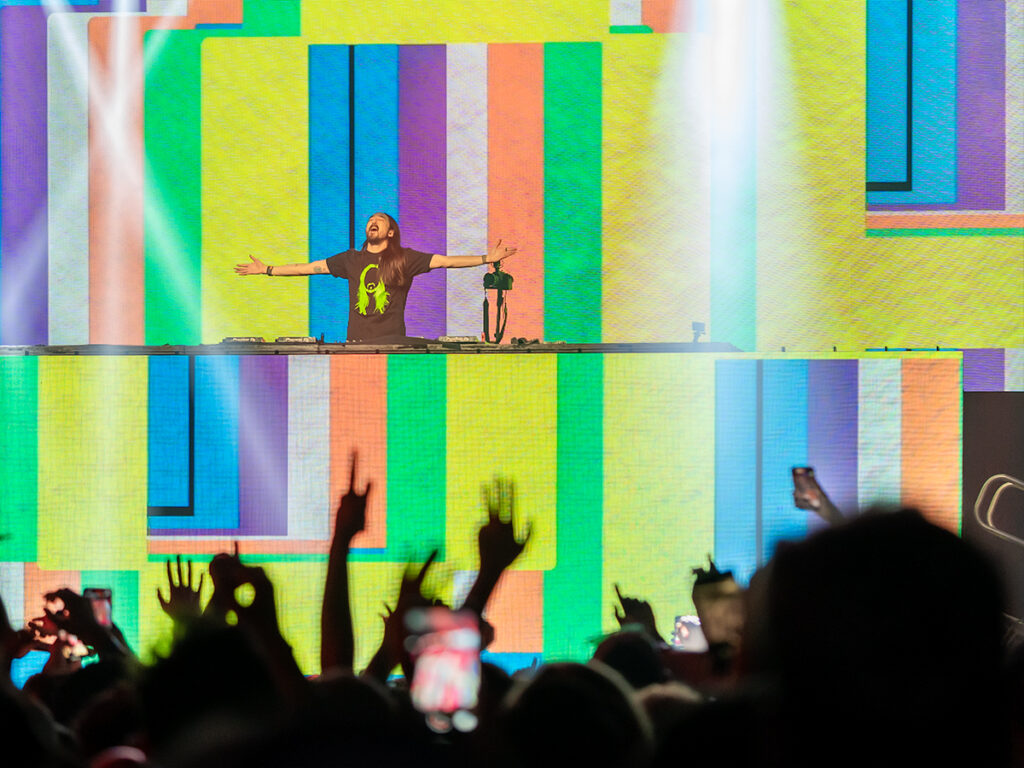
As a beginner looking to break into the world of concert photography, it’s important to know what to do and what to avoid in order to succeed. Concerts offer a unique and exciting opportunity for photographers to capture candid moments and emotions on stage. Over the years, I’ve had the opportunity to photograph big-name musicians like Mandy Moore, Steve Aoki, Louis Tomlinson, and DJ Snake.
However, getting started in concert photography can be intimidating. In this post, I’ll provide some tips and tricks for beginners looking to break into concert photography.
Getting Started In Concert Photography
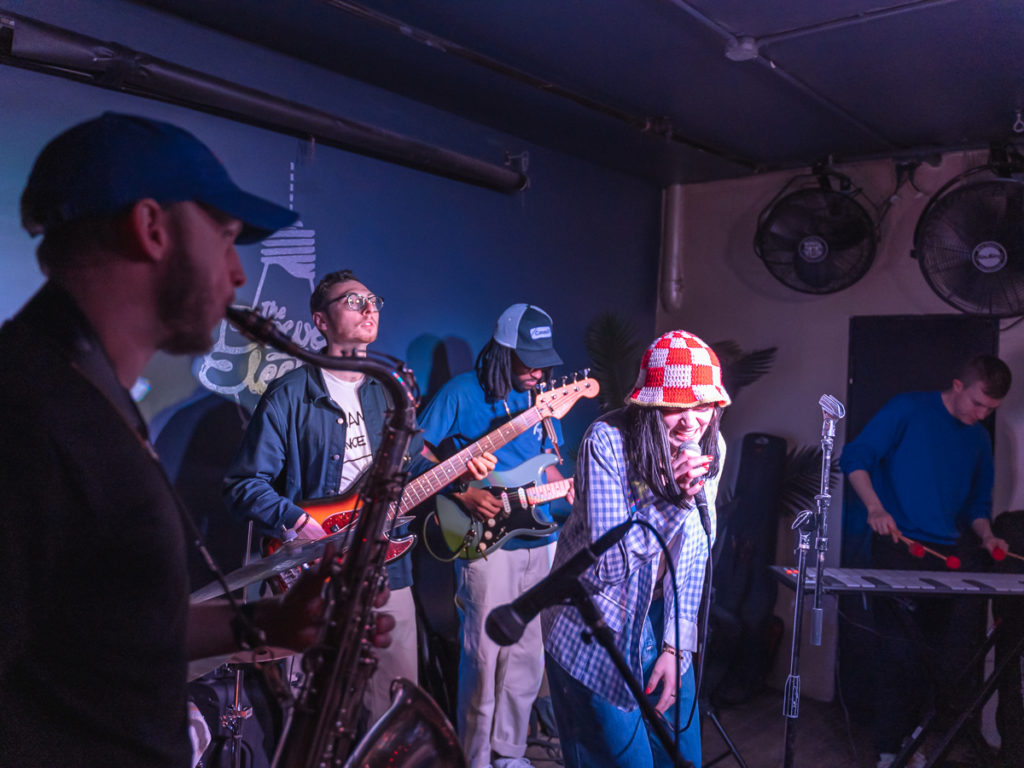
One of the best ways to get started in concert photography is to start by shooting local shows. This will allow you to get some experience under your belt and build a portfolio. Local shows also offer a great opportunity to network with the artist, other photographers, and make connections in the industry.
Keep in mind, it’s important to get permission from the venue and the artist in order to photograph them. Many venues and artists have specific rules and guidelines for photographers, so be sure to follow them to avoid any issues.
Finding A Concert To Cover
To find a concert that you want to photograph, simply Google music venues in your area. Another avenue to finding local talent is searching through the Bandsintown Concerts app. Smaller artists utilize this app because their tours are posted there.
Join A Publication To Secure A Photo/Media Pass
While you may have easily gotten a photo pass for smaller musicians as a freelance photographer, if you want to get into the bigger shows, joining a publication is the best way to go. Publications started off with traditional media like magazines, but now include digital mediums like blogs. In my experience, joining a publication is easy because they are always looking for photographers. Bonus points if you like to write! As long as you have some sort of portfolio put together it should be relatively easy to find one to join. If you’re wondering where to find a publication, look around in different Facebook groups.
Think about why joining a publication is the easiest way to obtain a photo pass. As a freelance photographer, what value do you bring to the musician? Artists are protective of their likeness but are looking to widen their exposure which is usually only something that a form of media can bring.
A lot of the time you will be shooting for free, or in exchange for the comped media pass and entry ticket.
Email The Correct Contact
In order to request a media pass, finding the right contact is crucial. One of the quickest ways to find an artists’ contact is to Google “musician name + press release + year.” This is because when a musician is going on tour the record label will put out a press release to announce it. Depending on the record label, some contacts are easy to find while others are intentionally hidden. LinkedIn is an option to find contacts, but Facebook Groups is the best resource. People are willing to share their contacts but note that you’re not entitled to the information.
Requesting A Media Pass
You’ve probably heard that the merger of TicketMaster and Live Nation monopolized the music industry. Many times the first way to request a media pass is by going through the Live Nation Press Request Portal.
Another way is emailing a musician’s PR team. When you reach out to a publicist be sure to be professional and personalize the email. You’d be surprised at how many “concert photographers” send a transactional copy-and-paste template without even greeting the receiver by name. Think about it. Publicists receive hundreds of emails every day. If you received such an email would you acknowledge it? No! You’d probably ignore it. This is a super easy way to stand out. If you’re not sure what to say in your email, I’ve put together a free press request template you can download and use.
Do’s & Don’ts of Concert Photography
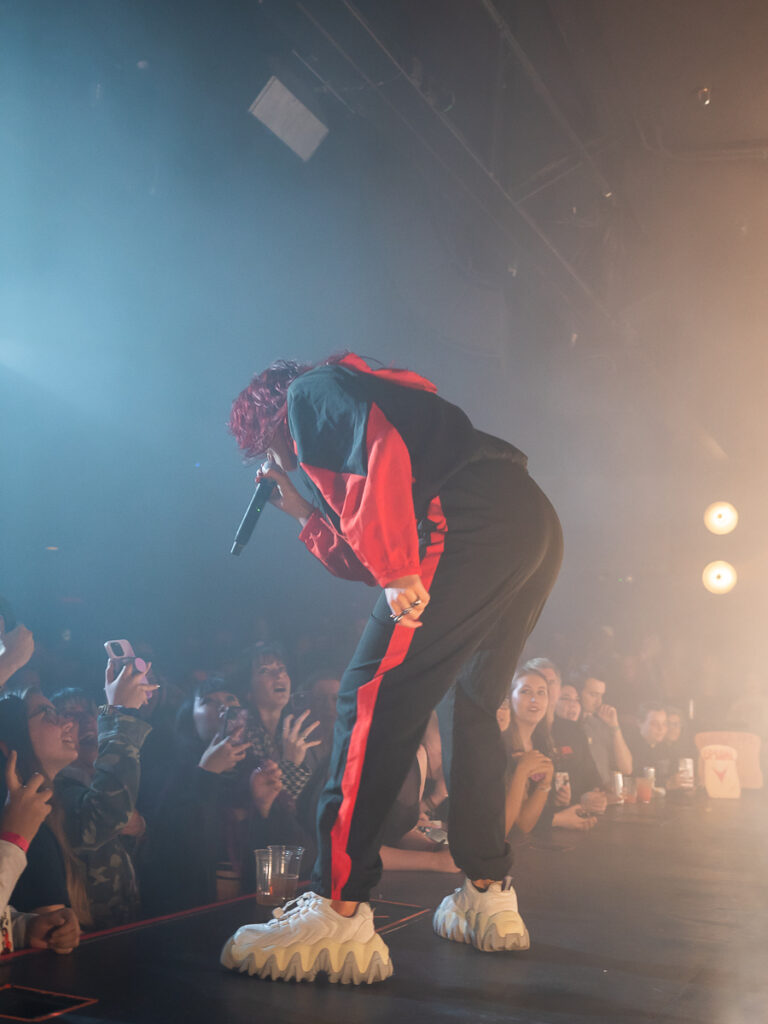
When you finally secure your first photo pass there are also a couple of concert photography tips do’s & don’ts that you need to be aware of. This is pretty standard across the board.
- Absolutely no flash is allowed. Leave it at home. Imagine being the person trying to blind the talent!
- There is a 3-song rule to be in the photo pit before security kicks you out.
- Get crowd shots after leaving the pit. Many times you can hang around and actually enjoy the show afterward. If you have coordinated with your friends to meet you there, I would suggest you put your camera away and take off your photo pass so in case you get lit you’re not being perceived as unprofessional.
- When you’ve picked up your photo pass and ticket at will-call, don’t take pictures of your media pass. This is for security reasons.
- If you’re not sure what to wear, it’s simple. Wear black or dark colors – this is to avoid distracting the artists if you’re moving around in the photo pit. Be sure to wear comfortable shoes!
Concert Photography Camera Gear & Settings
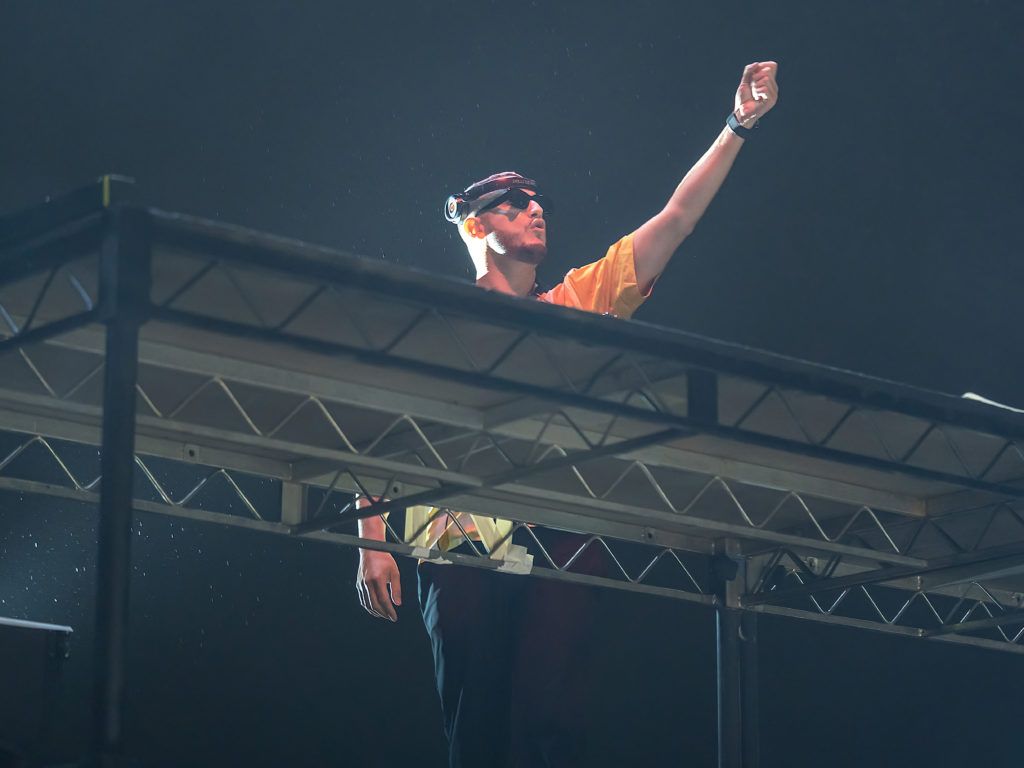
Photographing concerts can be challenging because it’s a low-light setting and extremely fast-paced. The first couple of times you might be nervous since you don’t know what to expect, but after a few shows, you start to come up with a strategy. Setting-wise, I usually have the aperture at the widest since it’s lowlight, shutterspeed around 1/200 in order to freeze motion, and ISO between 800-5000 depending on the available light.
Strategy-wise, I’ll stand on the left side of the photo pit for one song, middle of the pit for the 2nd song, and on the right for the 3rd song. I’ll also use a star filter during the first song just to get some cool shots, and then take it off for the rest of the time.
As for actual camera gear, I keep it simple. I share in this article what camera gear I typically bring with me in a lot of situations, but for concert photography, I actually bring the least amount. I just have my camera stuffed in a cross-body bag, the star filter, and my wallet!
Watch on YouTube
To keep up to date with everything I share, follow along on my social media!
Comments +