Disclosure: Some links may be affiliate links. This means that I may earn a small commission if you decide to buy (at no additional cost to you)
Last Updated on August 26, 2026 by Erin Donahue
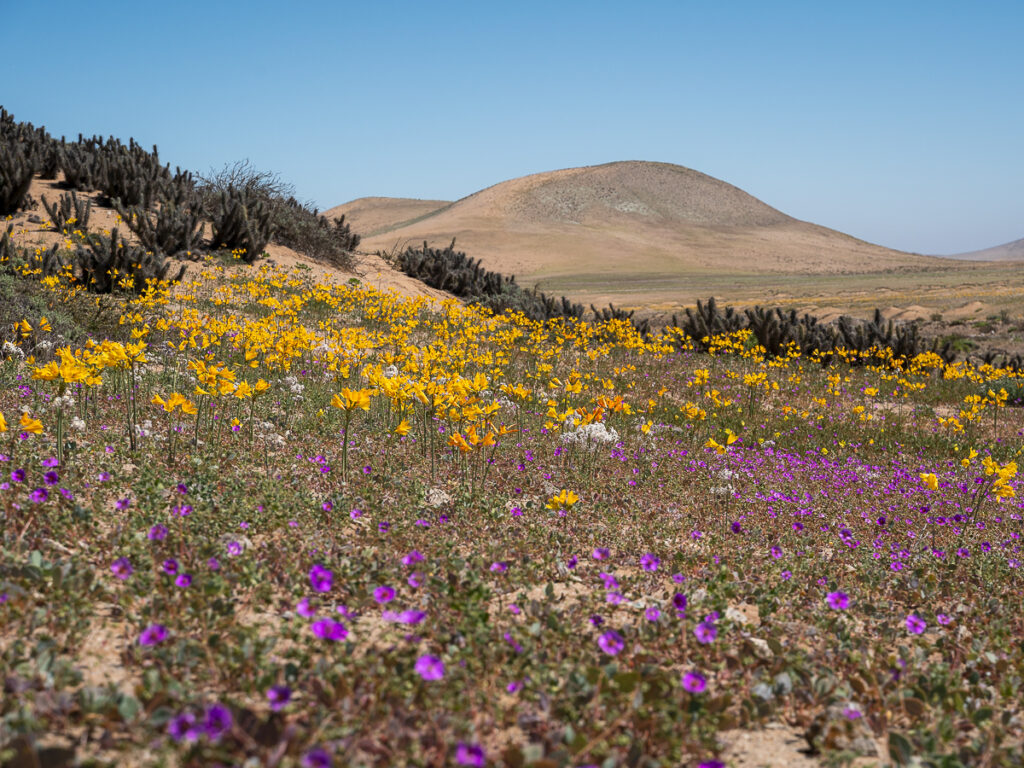
If you’re an avid traveler or photographer looking for a once-in-a-lifetime experience, consider visiting Northern Chile during its rare desert bloom. The Atacama Desert, one of the driest places on Earth, spends most of the year as a landscape of dust and rock. Then, every couple of years, it comes to life with flowers. While most people know Chile for Patagonia and Easter Island (Rapa Nui), the Atacama’s bloom is a hidden-gem experience almost nobody plans a trip around.
Quick Facts About Chile’s Atacama Desert Super Bloom (Desierto Florido)
- Name Translation: Desierto Florido = “flowering desert”
- When Desierto Florido Happens: Irregularly, in years with unusually high rainfall. Historically, every 5-7 years, though recent years have trended more frequent
- Season: Typically September through November (Southern Hemisphere spring)
- Types of flower species: Over 200, including añañucas, garra de león (lion’s claw), and pata de guanaco
- Best viewing areas: Between Vallenar and Copiapó, including Llanos de Challe National Park and the newer Parque Nacional Desierto Florido
- Getting there: Fly from Santiago to Copiapó
What is the Desierto Florido (Atacama Desert Super Bloom)?
Located in South America, Chile is home to a diverse range of landscapes, from the Atacama Desert in the north to the Patagonian fjords in the south. One of the most unique natural phenomena in the country is the blooming of the Atacama’s desert flowers — officially known as “Desierto Florido,” or “flowering desert.”
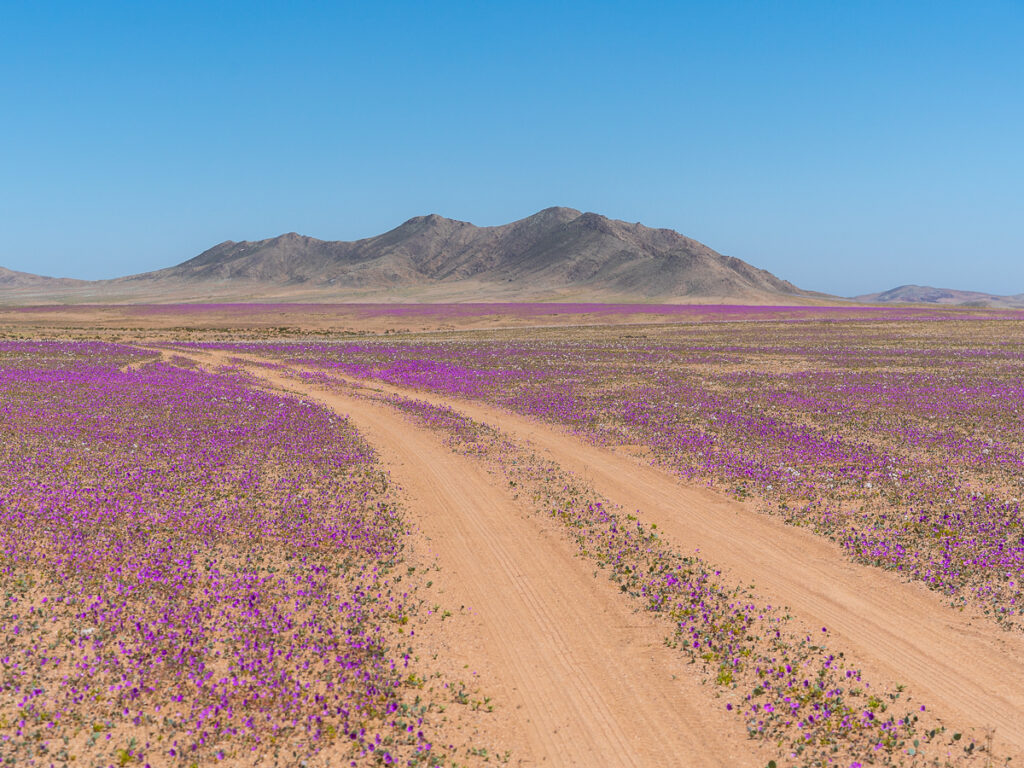
The bloom happens irregularly, in years when rainfall breaks through the Atacama’s usual extreme dryness. Rain reaches dormant seeds and bulbs buried under the sand, sometimes for years at a time, and triggers them to germinate almost overnight. When conditions align, the result is a carpet of color spreading across the driest place on Earth.
I was able to see the flowers in the beginning stages just as they started to bloom. According to scientists’ predictions, they were supposed to be at their peak the week I visited. All that means is another trip will be in the works!
Where to See the Atacama Desert Super Bloom
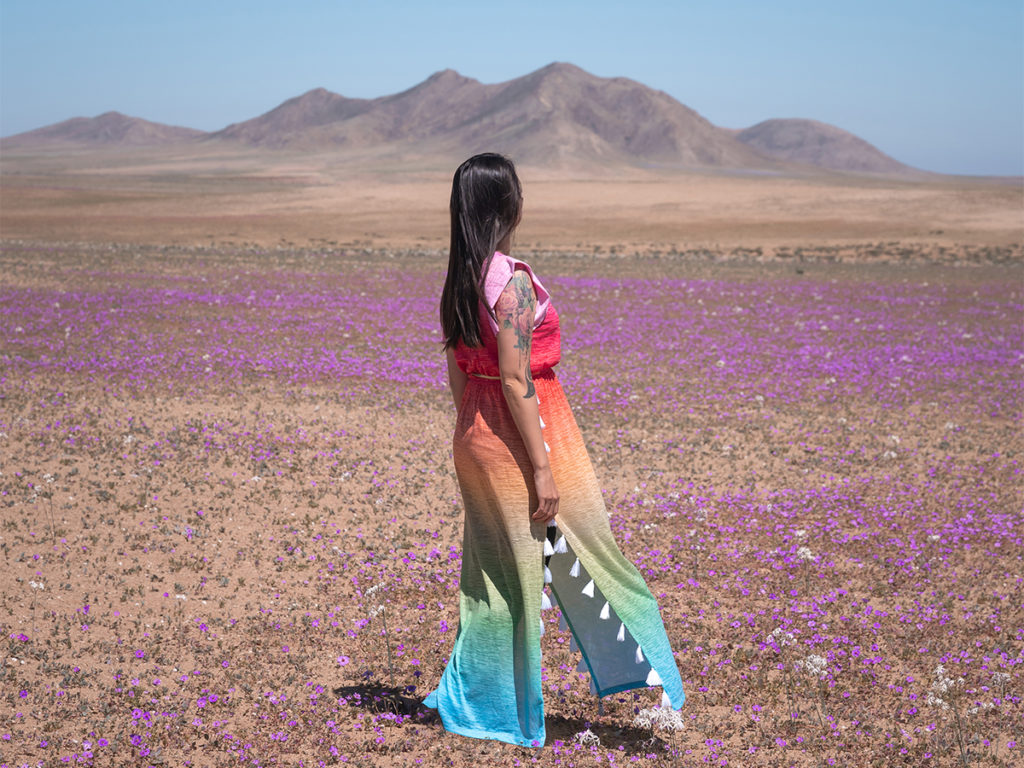
Desierto Florido is most consistent in the stretch of desert between Vallenar and Copiapó. When I went in 2022, I traveled with a small group hosted by astrophotographers Yuri Beletsky and Kerry-Ann Lecky Hepburn. Yuri’s day job is an astronomer at Las Campanas Observatory, so he’s deeply familiar with the region and customized a special tour to track down locations with the densest blooms we could find.
At the time, the region had no formal protection in place. Chile has since established Parque Nacional Desierto Florido specifically to protect this fragile phenomenon and the ecosystem around it — a sign of just how much strain the bloom’s growing popularity has put on the region.
How to Get to the Atacama Desert
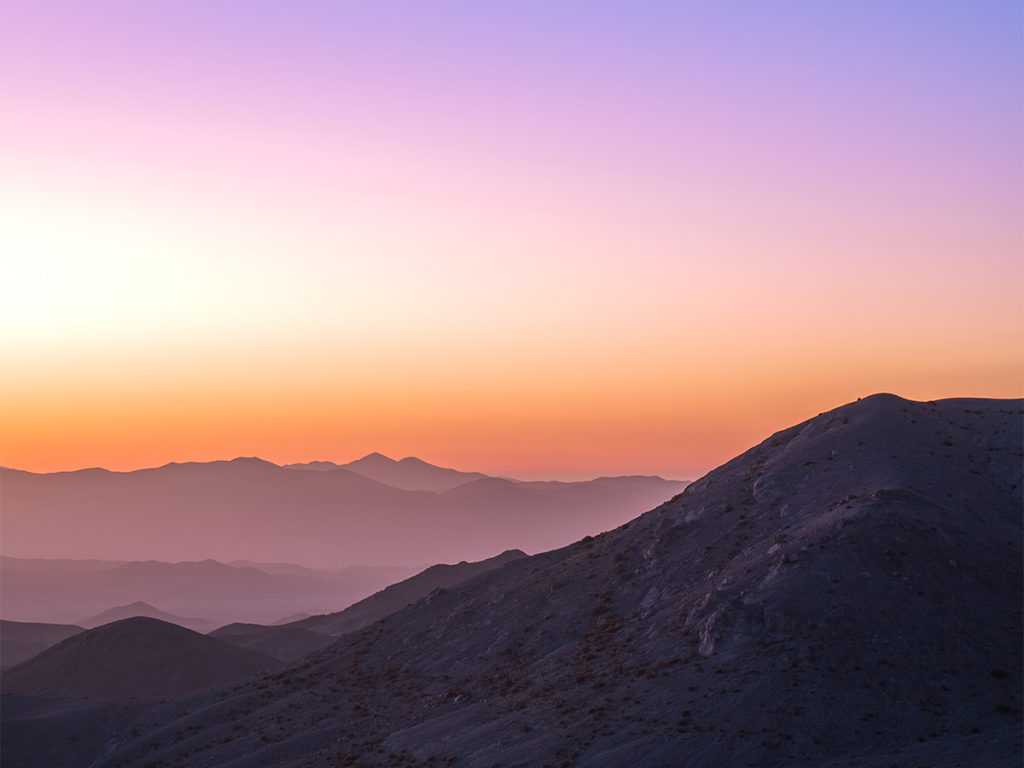
The best way to get to the Atacama Desert within reach of the main bloom areas is a local flight from Santiago to Copiapó. From there, a rental car gives you flexibility, but I’d recommend a local guide — someone who knows current road conditions and where the bloom is strongest that season, since it shifts year to year depending on where the rain falls.
If you’re planning to explore more of the Atacama Desert beyond the bloom itself, Turismo Atacamensis is worth looking into for the wider region, especially up into the altiplano. The company is run by two Chilean mountaineering brothers, Alvaro and Gabriel, and they’re experts in the region.
Best Time to Visit the Atacama Desert For the Super Bloom
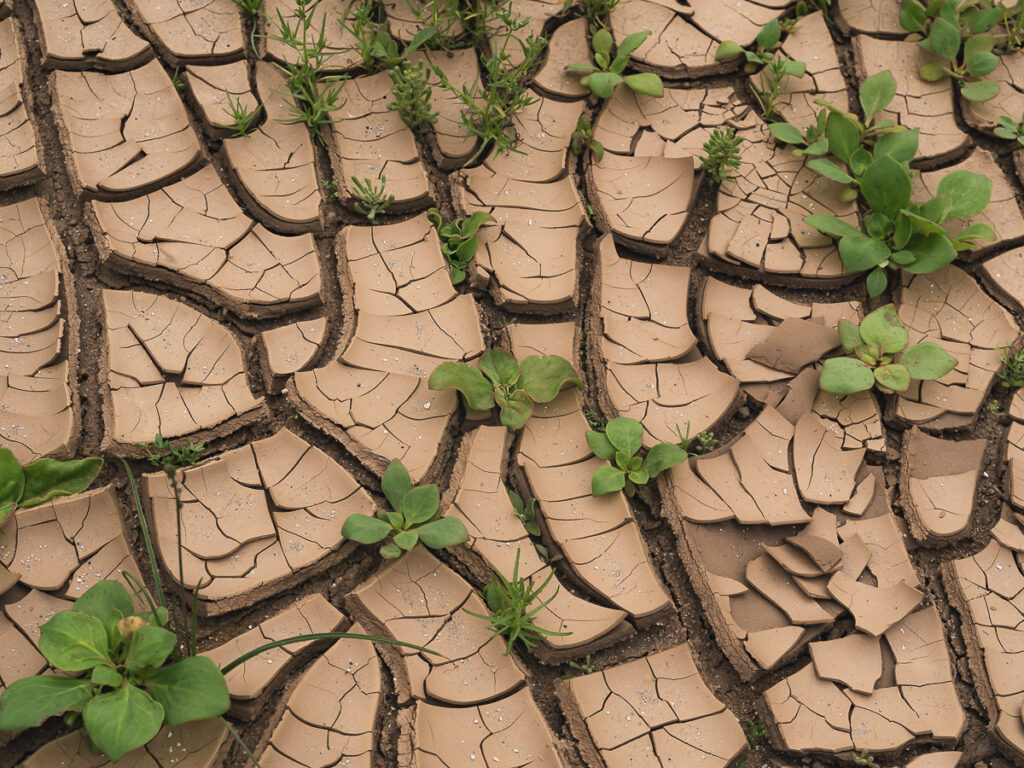
Desierto Florido typically begins in the second half of September, builds through October, and fades by mid-November as summer heat sets in. Timing shifts a little each year depending on rainfall. Ideally, if you’re planning a trip around the desert bloom, build in some flexibility rather than locking in exact dates months out.
What Blooms in the Atacama Desert (Flowers and Cacti)
More than 200 species take part in the bloom, but a few are the ones you’ll most likely recognize in photos: the yellow and red añañucas, and the pata de guanaco in shades of pink and fuchsia. If you’re lucky, you might also spot the garra de león, or lion’s claw — a rare, orange-red flower found nowhere else on Earth, prized specifically because it’s so hard to find.
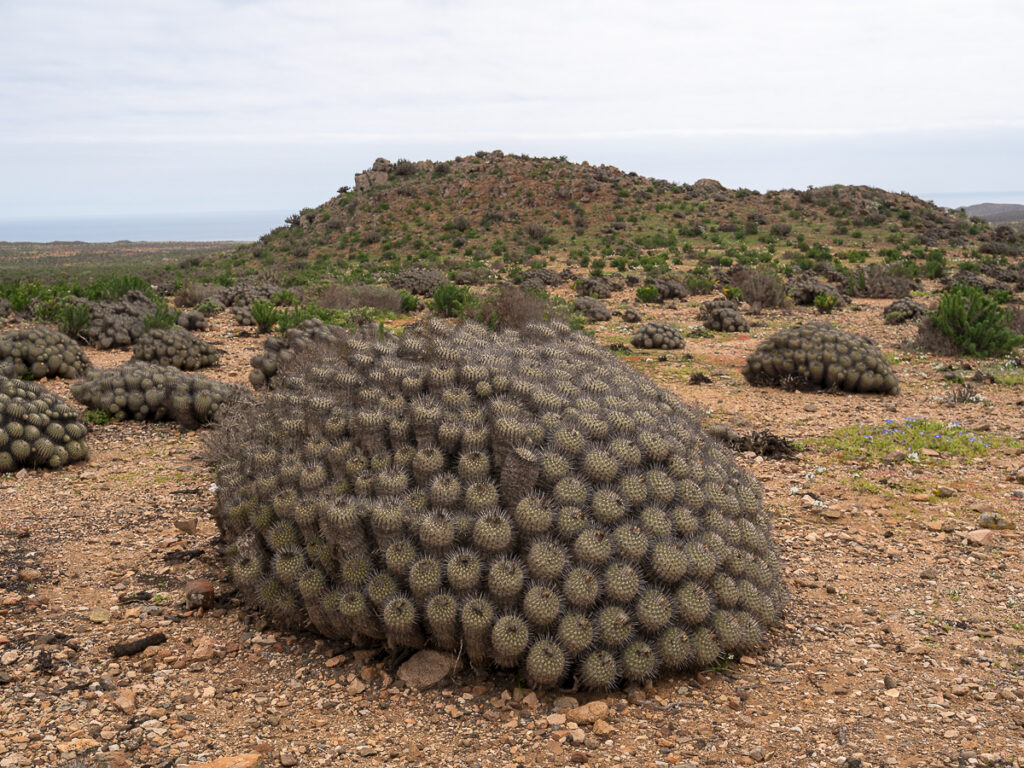
The wildflowers get most of the attention, but they’re not the only thing blooming out there. On my trip, Yuri brought in Stefan Campbell, a cactus expert originally from Australia who’s been living in Chile, to show us where to find the region’s blooming cacti. It’s a part of the desierto florido most visitors don’t even think about, but Stefan was a true cacti nerd. He pointed out sprawling mounds along the coast and tall columnar varieties further inland, each with their own small, delicate flowers hiding among the spines.
Visiting the Atacama Desert Super Bloom Responsibly
One thing that’s hard to ignore once you’ve been to the Atacama Desert — even a modest amount of litter lingers here. That’s because the Atacama is so dry that almost nothing breaks down naturally. Thankfully, I didn’t see the overwhelming trash from the infamous images of dumping elsewhere in the desert, but I did notice some litter during my visit. At one spot, there was a random busted tire in the middle of one of the flower fields, and I distinctly remember Yuri pointing it out as “the national trash.” I regret not taking a picture in that moment, because I’m pretty sure it would’ve won awards.
The bloom faces a bigger, more documented threat: trampling. Chilean environmental officials have specifically called out “like-chasers” who step off marked trails to get the perfect photo, crushing seedlings that take months to grow back. A single footprint can wipe out an entire season’s growth in that spot. Traffickers also illegally pick and sell native flowers and cacti.
It’s a shame, honestly, because this is one of the rarest natural events on the planet, and visitors should protect it rather than wear it down. If you visit, stick to marked paths, pack out everything you bring in, and avoid picking or stepping on the flowers. They’re the entire food source for the birds, guanacos, and insects that depend on the bloom to survive.
Beyond the Bloom: The Atacama Desert’s Night Skies
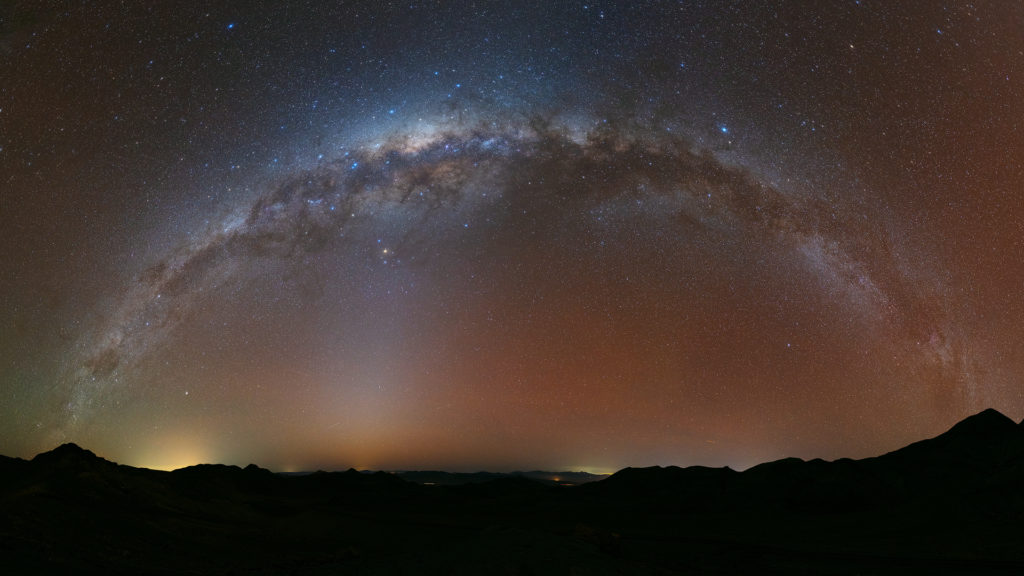
The Atacama Desert’s appeal doesn’t end with the super bloom. Yuri’s day job as an astronomer at Las Campanas Observatory meant our days were spent chasing flowers, but our nights were spent chasing the Milky Way. The region is famous for its extremely low light pollution, and the Atacama Desert makes for one of the best places on Earth to shoot astrophotography. It’s here that I finally photographed the full arch of the Milky Way, and it’s part of what made this trip feel like two once-in-a-lifetime experiences stacked into one.
Since an astronomer was hosting the tour, we got private lessons on the night sky along the way. That’s how I learned about Zodiacal light — a faint, glowing, cone-shaped band of residual white light from the sun that stretches up from the horizon. I got to see it with my naked eye since the sky was clear.
Protect Your Trip To Chile With Travel Insurance
When I travel internationally, I always purchase travel insurance. I use SafetyWing for travel to South America because I can purchase it even after my trip starts. It covers complications and travel disruptions.
- Medical emergencies unrelated to your procedures
- Flight delays when you need extra healing time
- Lost luggage with your aftercare products
- Emergency medical evacuation
FAQ About Chile’s Atacama Desert Super Bloom
How often does the Atacama Desert bloom?
Historically, the Atacama Desert super bloom occurs every five to seven years, but recent years have trended more frequent than that traditional pattern.
When does the Atacama Desert super bloom happen?
When conditions align, the bloom typically runs from late September through mid-November, during the Southern Hemisphere’s spring.
Where’s the best place to see the Atacama Desert super bloom?
The stretch of desert between Vallenar and Copiapó sees the most consistent super bloom.
Is it okay to pick the flowers during the Atacama Desert super bloom?
No. Beyond being illegal in protected areas, the flowers are a critical food source for the wildlife that depends on the bloom, and even stepping off marked trails can wipe out an entire season’s growth in that spot.
Is the Atacama Desert bloom just flowers?
Mostly, but the region’s native cacti also flower during this window, putting out small, delicate blooms of their own alongside the wildflower carpet.
Pin this post!

Comments +