Disclosure: Some links may be affiliate links. This means that I may earn a small commission if you decide to buy (at no additional cost to you)
Last Updated on October 6, 2026 by Erin Donahue
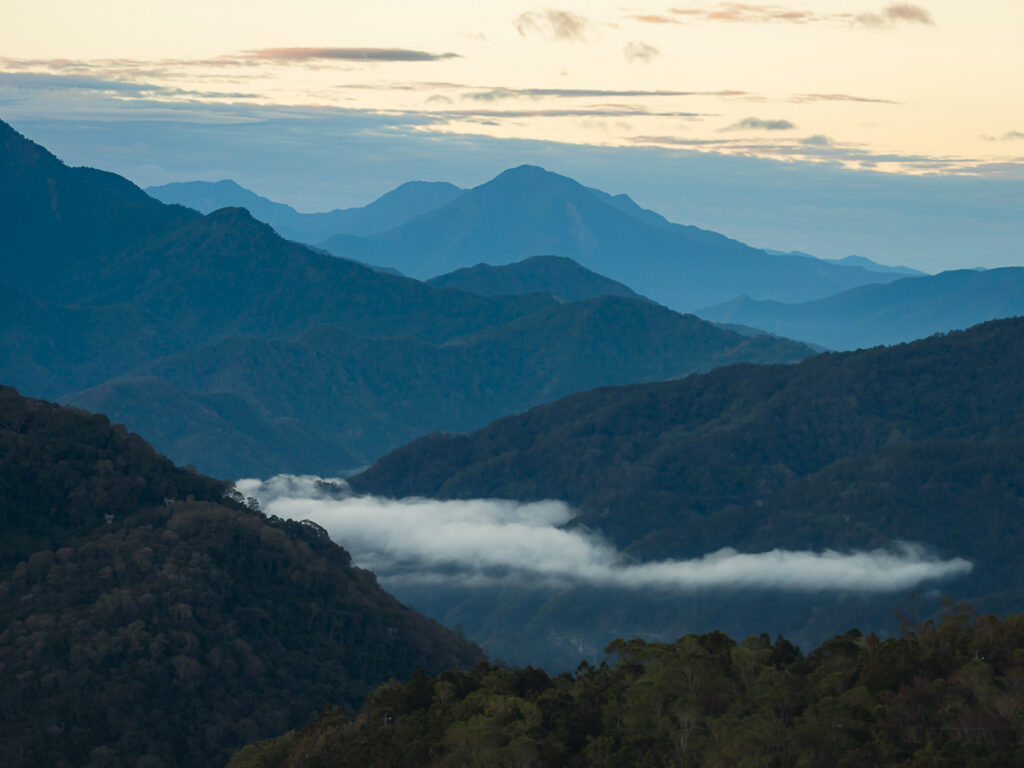
Nantou County sits in the exact center of Taiwan, completely landlocked, and it’s home to some of the country’s most recognizable scenery: Sun Moon Lake, Hehuanshan, and Xitou’s forest trails. The best part is they’re all within a few hours’ drive of each other. Hehuanshan, and the chance to photograph the sun above the clouds at over 3,000 meters, was the actual goal of this trip. I built Sun Moon Lake and Xitou into the trip since I was going to be “in the neighborhood” anyway.
I first traveled to Sun Moon Lake when I was a kid, but it was my first time visiting Hehuanshan and Xitou. Typically, since I come back to Taiwan annually, I pick a new spot or two to explore each time. This trip, my body wasn’t cooperating with the plan. I’d come down with a sinus infection, and I was still adjusting to jet lag on top of it. Then, going from Sun Moon Lake’s lower elevation straight up toward Hehuanshan, the altitude change hit harder than I expected. I still ended up doing this four-day itinerary.
How Many Days Do You Need to Travel Around Nantou County?
Four days is a good amount of time for a proper loop through Sun Moon Lake, Hehuanshan, and Xitou in Nantou County. If you have more flexibility, plan at least two nights at each stop instead. You can expect around two hours of driving between each leg.
I did the trip in the order of Sun Moon Lake, then Hehuanshan, then Xitou, so that’s how I’ve laid out this itinerary. You can reorder the stops however works best for your route. Hehuanshan tends to eat up more time than the other two, simply because it’s up a mountain. It’s a hiking spot where getting there and back takes longer, and you may not get a clear sunrise or sunset on your first try.
If you end up with extra days, Sun Moon Lake has enough activities to fill more time on its own, such as biking around the lake and spending more time at the markets, while Hehuanshan has hiking trails worth a full day if the weather cooperates.
How do you get from Taipei or Taichung to Nantou County?
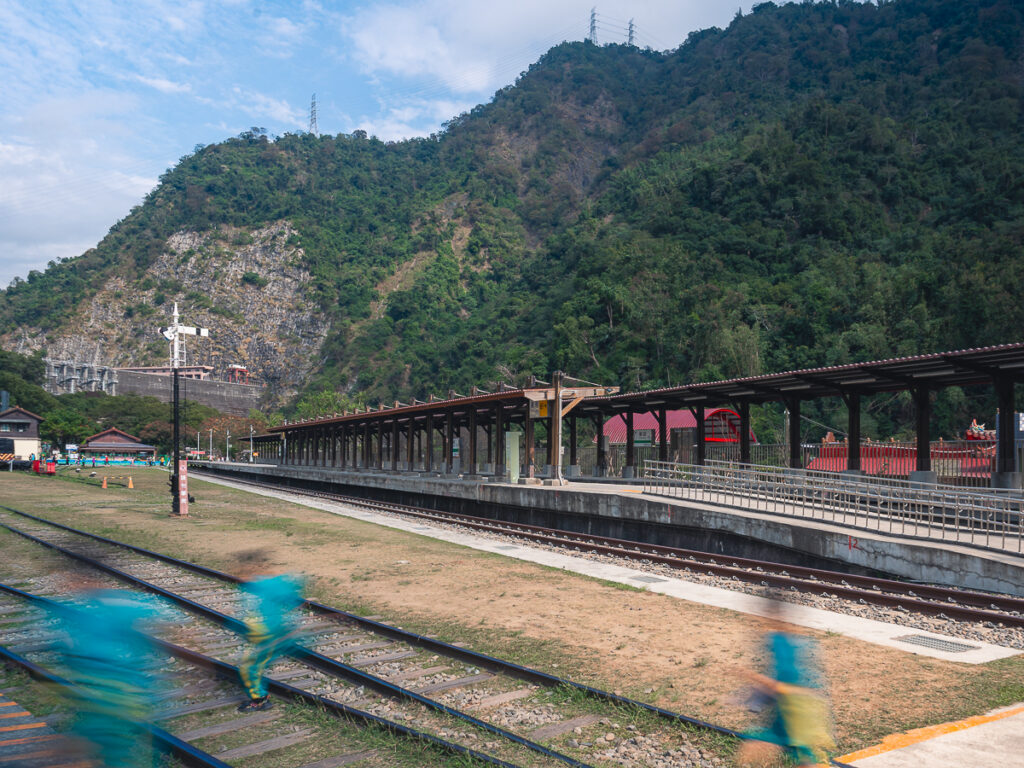
The fastest way to Nantou County is Taiwan’s High Speed Rail to Taichung. However, Taiwan’s HSR only runs along the west coast, so no line reaches Nantou County directly. You’ll need a driver, rental car, or bus to cover the final stretch. Alternatively, you can take the TRA railway instead of the HSR. It’s cheaper, but it does make far more local stops along the way, so budget extra time if you go that route. Japan built out Taiwan’s rail system during its occupation of the island, and the coverage it still offers today is one of the things that era left behind.
Once I arrived at Taichung’s HSR station, my driver, who’s based in Kaohsiung but is someone I’ve hired on other trips around Taiwan, picked me up, and we headed straight for Sun Moon Lake.
Day 1: Sun Moon Lake (日月潭)
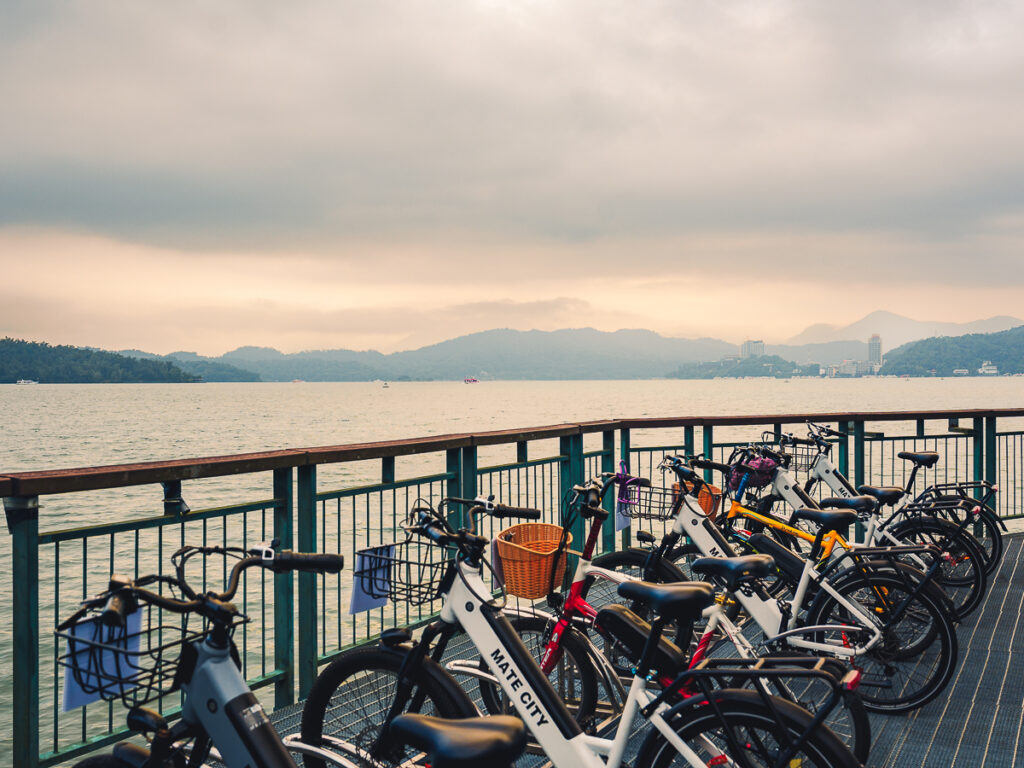
Sun Moon Lake (日月潭) sits in the middle of Taiwan and is one of the only places outside Taipei where you’ll regularly see foreign tourists. I saw Caucasian faces everywhere I turned, more than I’d seen anywhere else in Taiwan outside Taipei. That’s only going to continue to grow as Taiwan becomes a bigger travel destination in Asia.
One thing worth knowing before you book a stay here is that prices around Sun Moon Lake run higher than the rest of Taiwan, especially for food. The lake itself is beautiful. The markups are a turnoff, though, and it’s part of why I wouldn’t necessarily rush back to visit this area.
Where to Stay at Sun Moon Lake
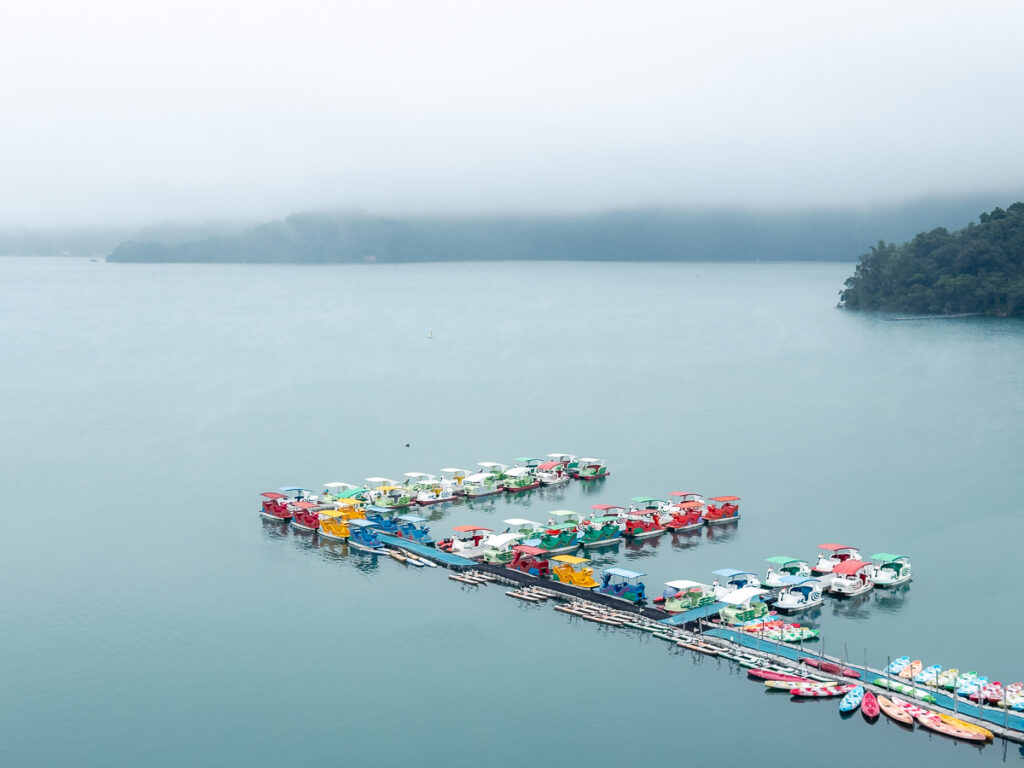
For my one night at Sun Moon Lake, I stayed at Hu Yue Lakeview Hotel, right on the water and steps from Ita Thao Pier, where most of the small shopping vendors are. I picked this spot specifically for the view, and it included breakfast. The room was a decent size, with two queen beds and a terrace. Overall, the stay was comfortable for a night. However, the room smelled heavily of cleaning chemicals.
Fog was a common denominator during this trip, and when I woke up early the next morning, I was hoping it would clear for sunrise. It didn’t. When the weather doesn’t cooperate, though, it actually works in my favor. I get to relax instead of work! Afterward, I headed to breakfast before the morning rush. I was expecting something fairly basic, but the buffet turned out to be a pleasant surprise, and the breakfast room has a nice rooftop view of the lake.
Everything is Named Xiangshan in Taiwan
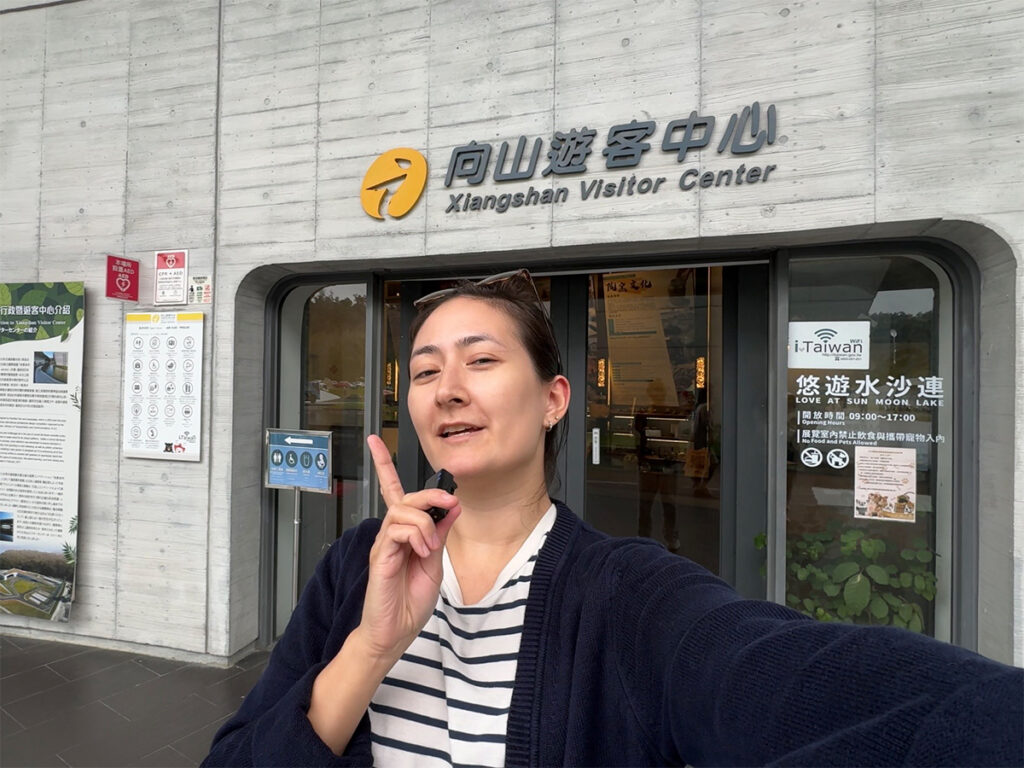
Partway through the walk around Sun Moon Lake’s National Scenic Area, I noticed a sign for the “Xiangshan Visitor Center.” I thought it’d be funny to mention, since this is now the third place in Taiwan with that exact romanized name. The other two are Elephant Mountain in Taipei and the Xiangshan wetlands in Hsinchu.
All three share the same romanization, ‘Xiangshan,’ but each uses entirely different characters, and each one means something different. Taipei’s is 象山, which translates to Elephant Mountain. Hsinchu’s is 香山, which translates to Fragrant Mountain. Lastly, Sun Moon Lake’s is 向山, which means Facing Mountain. If you’re studying Mandarin, it’s a good example of how much meaning can hide behind an identical English romanization, even when the characters and the names themselves have nothing to do with each other.
Hike to Ci’en Pagoda (慈恩塔)
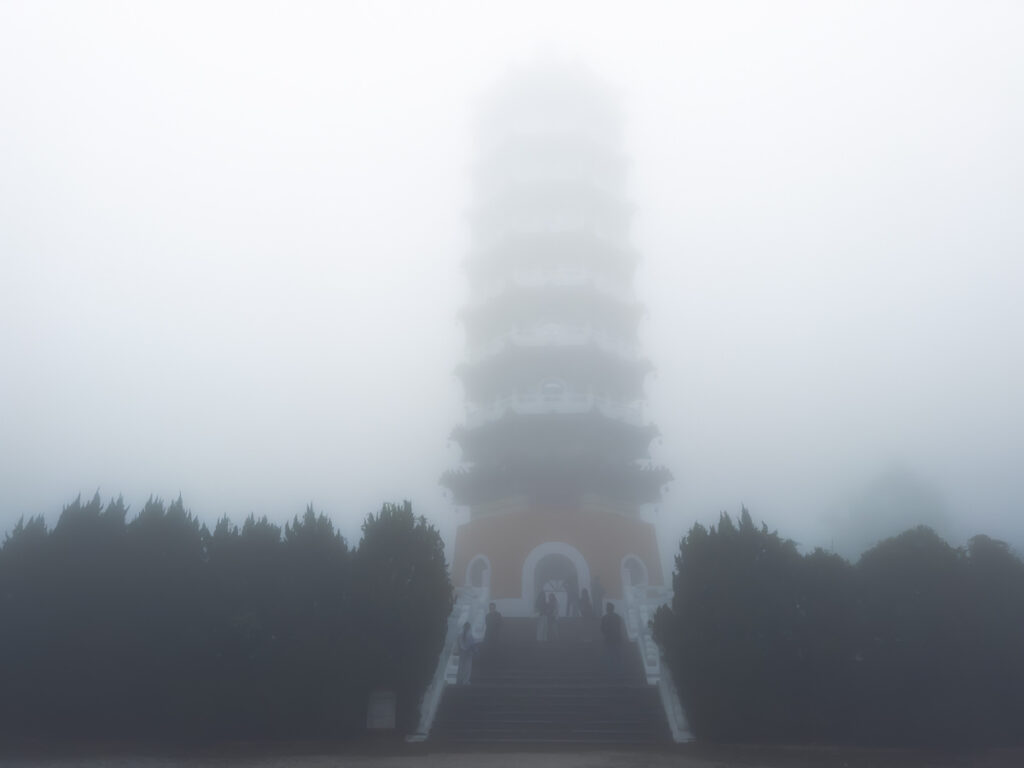
While you’re in the Sun Moon Lake vicinity, a hike up to Ci’en Pagoda (慈恩塔) is worth adding to your itinerary. It’s about a half-mile hike from the trailhead. President Chiang Kai-shek had the pagoda built in 1971 in memory of his mother, and it sits atop Shabalan Mountain overlooking the lake below.
Fog rolled in while I was there, which made for some eerie scenes with a towering shadow. If I’d had more time, there was a lot more around the pagoda worth capturing!
A Stop in Puli (埔里), Hometown of Shaohsing Wine
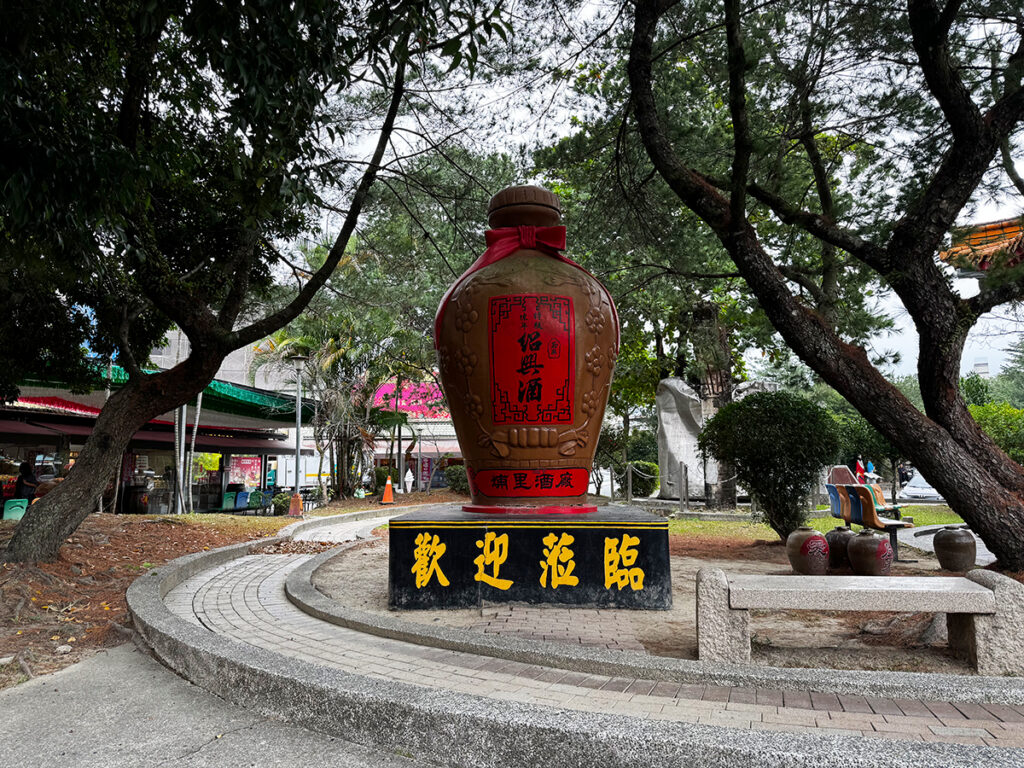
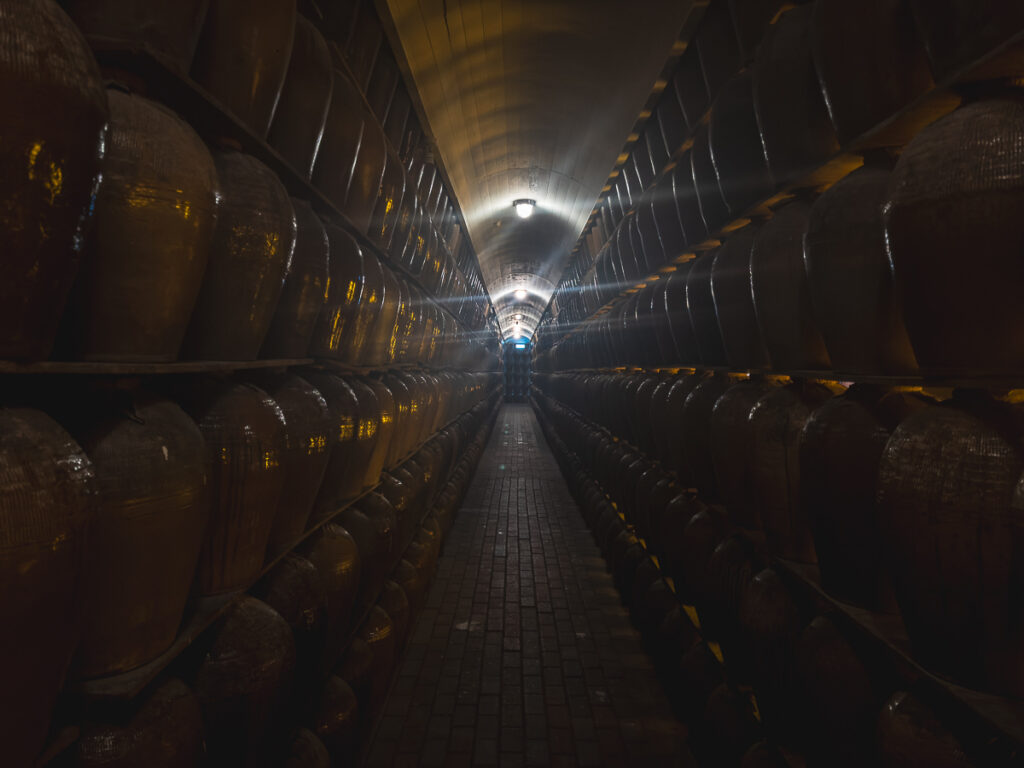
On the way out of Sun Moon Lake, my driver made a stop in Puli (埔里), the hometown of Shaohsing wine. The wine originally comes from Shaoxing, China, but Puli’s water and climate turned out to be close enough to the original that a winery here has been recreating it for decades. I’d been here as a kid, and the rows of clay wine barrels looked exactly the same as I remembered. It’s like nothing had changed in over a decade.
Wuchang Temple (武昌宮)
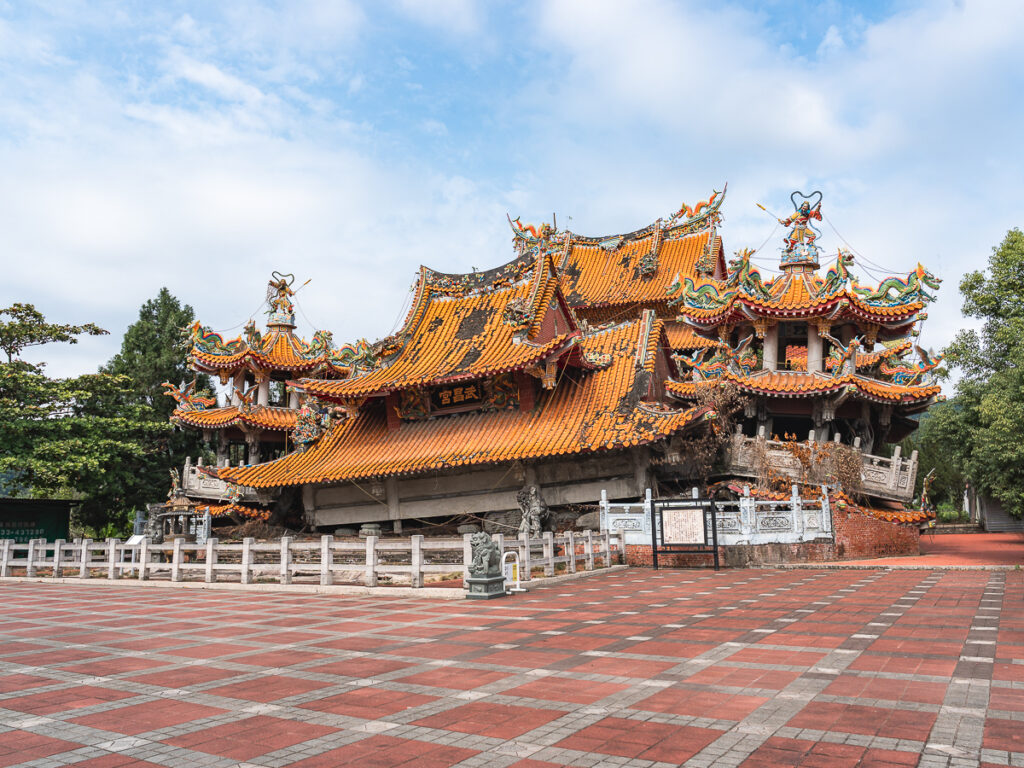
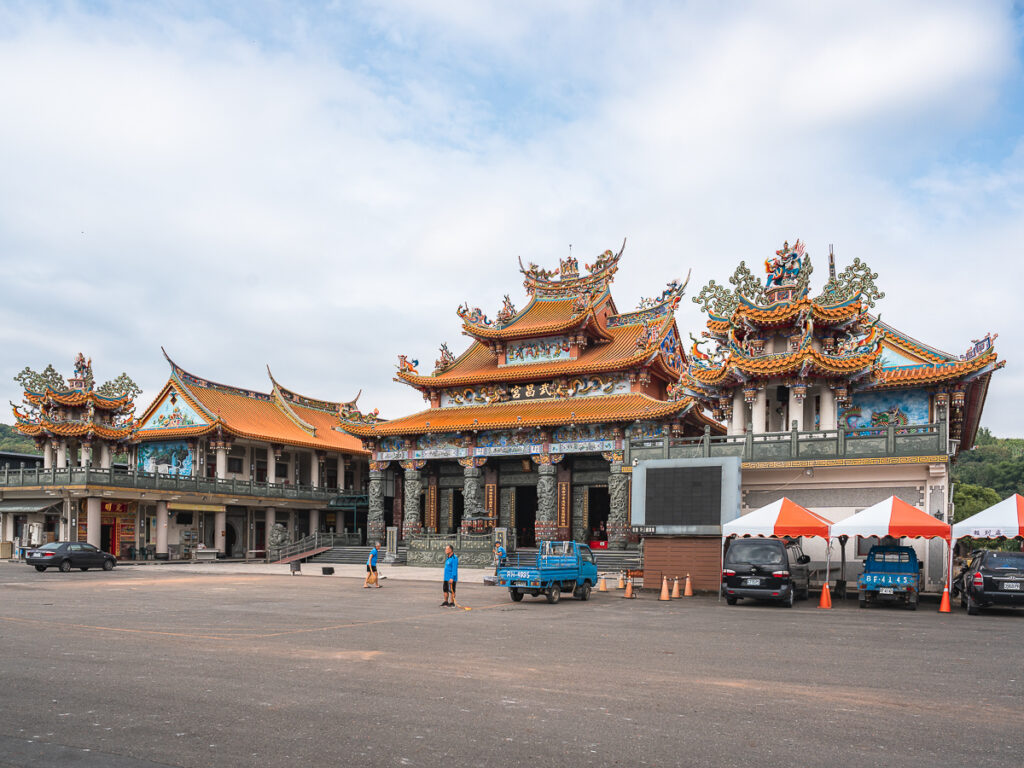
My driver also took me to Wuchang Temple (武昌宮) in Jiji Township. The original temple was built in 1923, but collapsed in the devastating 921 earthquake of 1999, just months after a major renovation had finished. Rather than clear the ruins, they were left standing as a memorial, and a new temple with the same name was built right beside them, completed in 2013. The two now stand side by side, one intact, one frozen mid-collapse.
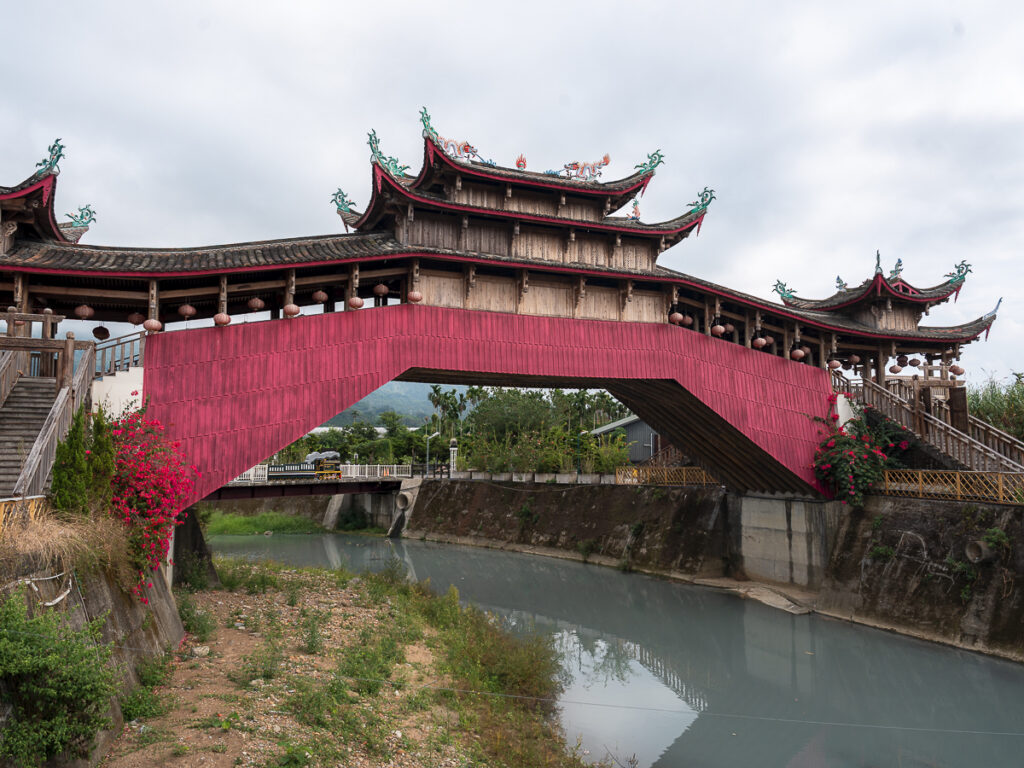
Across the street is a replica of the Taishun Gallery Bridges (泰順廊橋), modeled after the wooden arch bridges of Taishun County in China’s Zhejiang Province, a region known for more than 30 Ming and Qing dynasty bridges built without a single nail. At the center of the bridge sits a shrine to the Old Man Under the Moon, a matchmaking deity people pray to for good romantic luck.
Day 2-3: Summit Hehuanshan (合歡山)
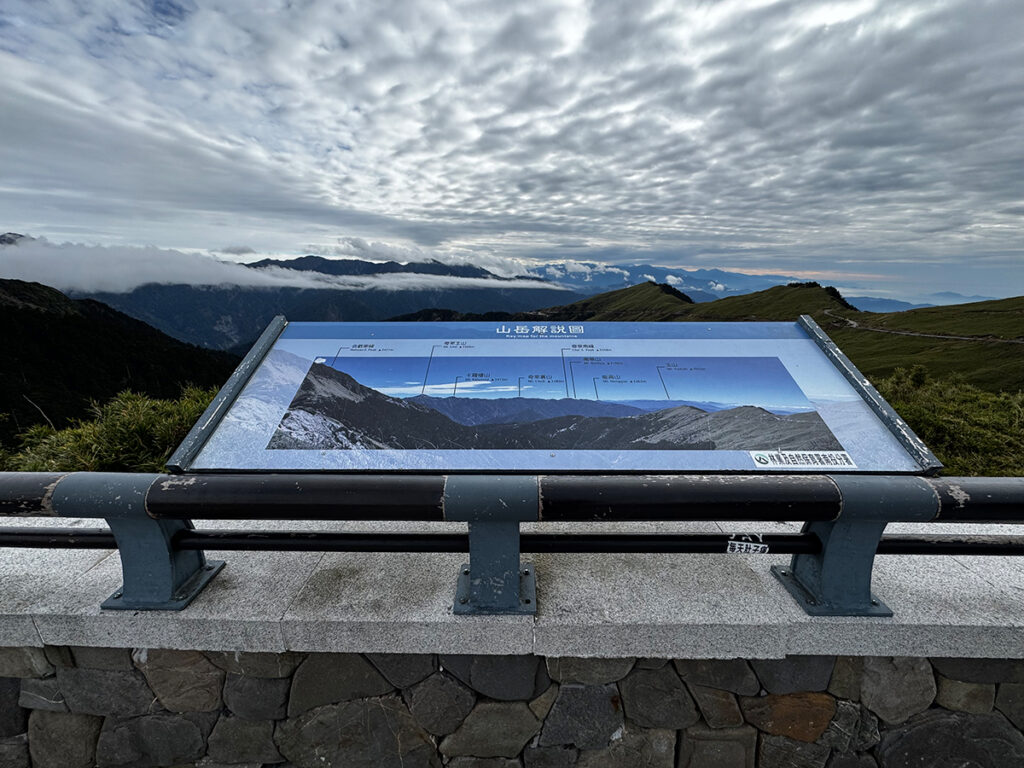
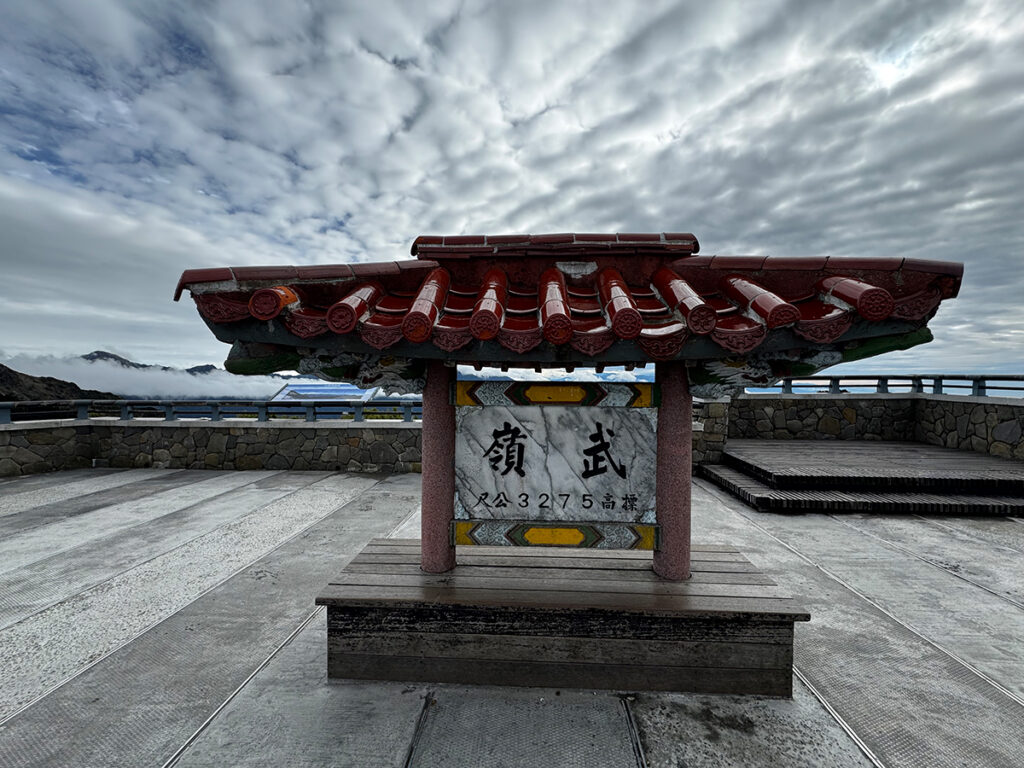
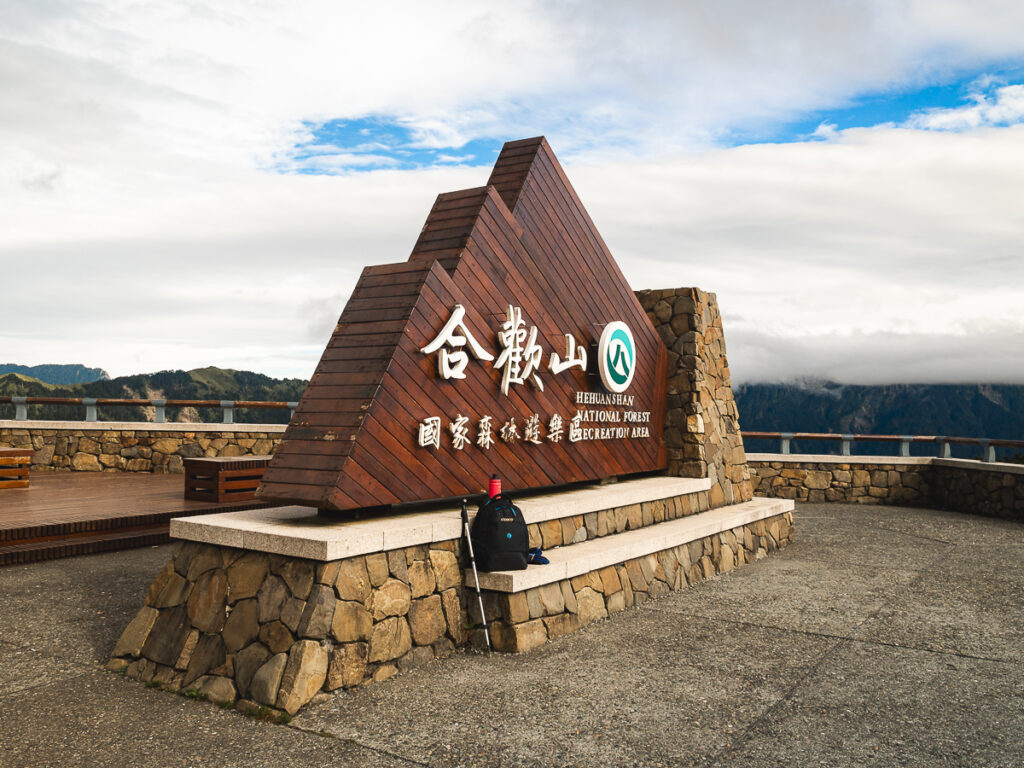
Hehuanshan (合歡山) sits in the Central Mountain Range, with its main peak reaching 3,416 meters. Since I stuck to driving rather than hiking, Wuling (武嶺), the mountain pass along the road, was the highest point I reached. At 3,275 meters, it’s the highest paved road in Taiwan.
On a clear day, Wuling offers views of several of Taiwan’s highest peaks, including Yushan (玉山), or Jade Mountain, the island’s tallest. Hehuanshan is also a hiking destination in its own right, with several trails leading to its various peaks. It’s worth a standalone trip if that’s more your focus. I found a secret spot that would’ve given me the sunset-over-the-clouds view I was after, but the trail leading there was closed. There’s a 30-minute detour route for hikers willing to take it. However, I hadn’t prepared to hike Hehuanshan. Between the altitude and still not feeling well, I wasn’t going to attempt it anyway!
Taiwan’s First Dark Sky Park
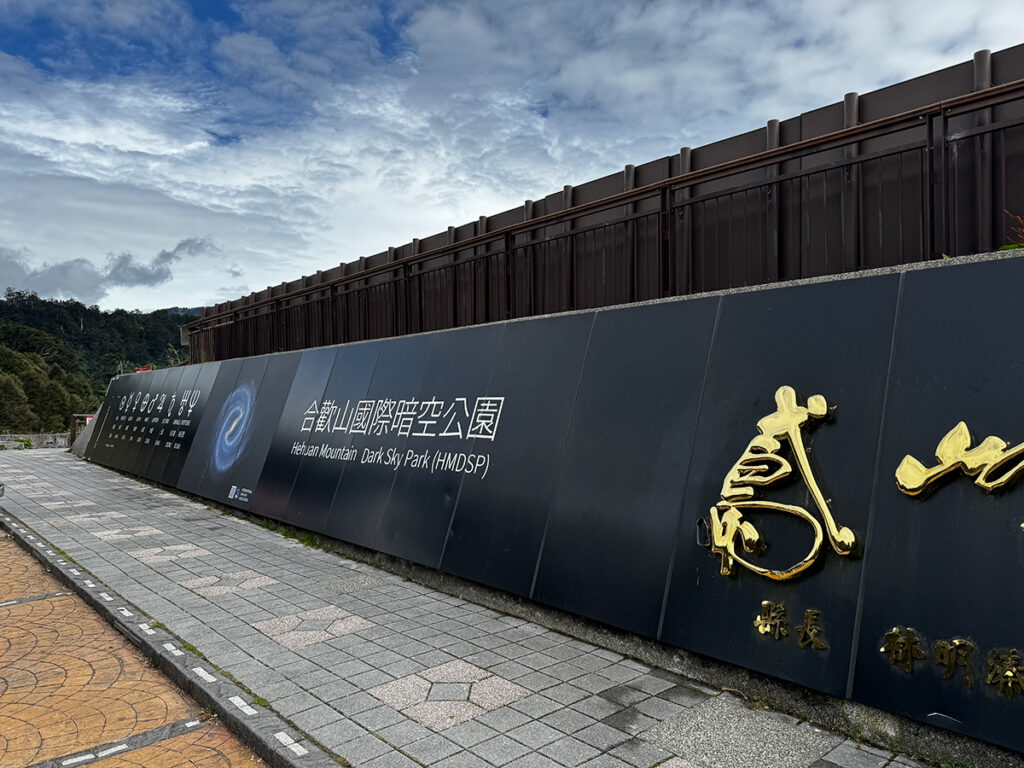
Hehuanshan is a designated International Dark Sky Park, the third in Asia after sites in Japan and South Korea. It’s also the only one above 3,000 meters, high enough to sit above much of the haze and light pollution that interferes at lower elevations. If you just want to stargaze, this spot works. However, if you’re specifically chasing the Milky Way for astrophotography, this location wouldn’t be my first choice.
In the Northern Hemisphere, the galactic core is only visible from spring through early fall. Even then, the best times to photograph the Milky Way are usually around the new moon, when moonlight won’t wash out the sky. I found this spot limiting, because it’s just a viewing platform. There isn’t much space to move around for foreground shots. Still, photographing the Milky Way over these mountains would be pretty epic! It may only line up well during certain windows of the year, but if you’ve never seen a truly dark sky before, it’s more than good enough.
Where to Stay at Hehuanshan
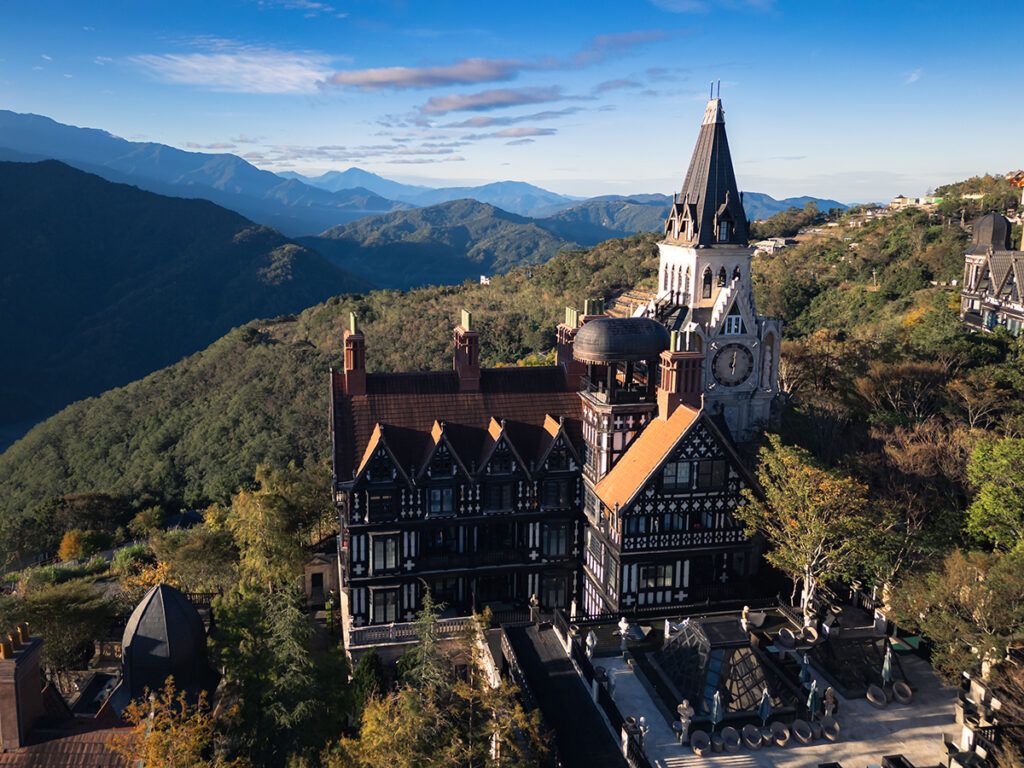
For my stay near Hehuanshan, I booked Old England Manor (老英格蘭莊園), a Tudor-style castle hotel in Qingjing (清境), right along the road up to Wuling. I’ve written a full breakdown of my stay and what it’s like to sleep in a castle in the Taiwanese mountains, so I won’t repeat all of it here. If you’re planning a trip to Hehuanshan, it’s worth considering! I definitely enjoyed my time there.
Day 4: Xitou (溪頭)
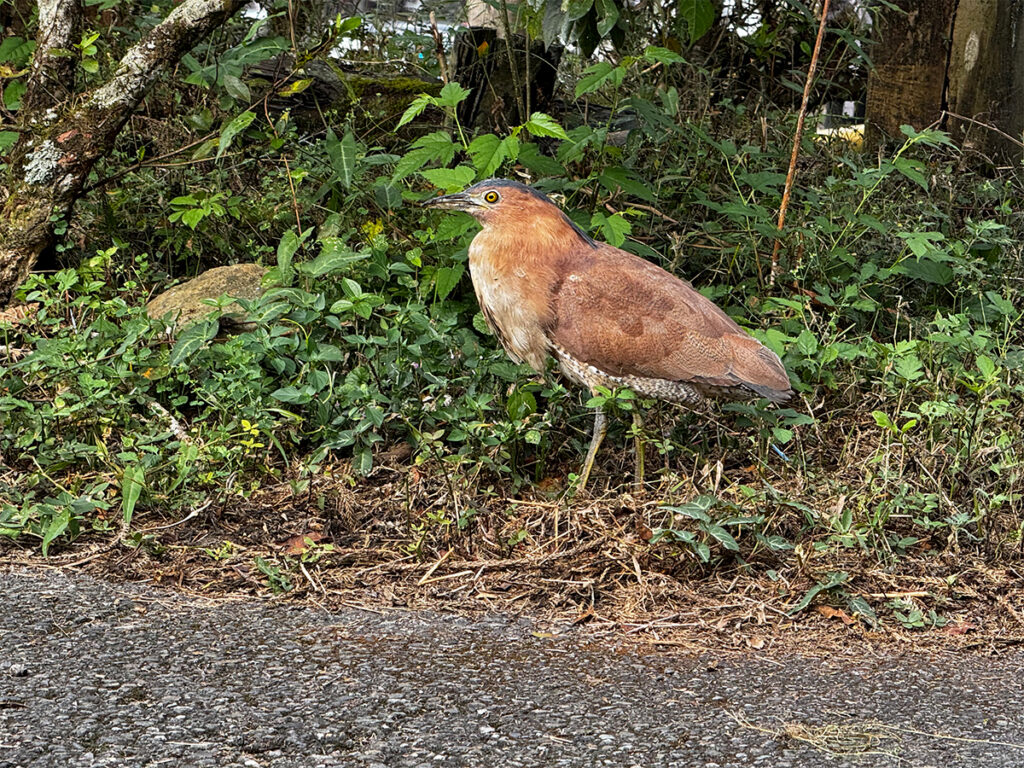
On the last day of this four-day itinerary, head to Xitou (溪頭). It’s part of National Taiwan University’s Experimental Forest, a research forest the university has managed for over a century. Cypress and cedar groves define the area. Elevated walkways cut through the canopy, letting you walk among the trees without touching the ground. Be sure to check current entrance fee pricing before you go.
Monster Village (妖怪村)
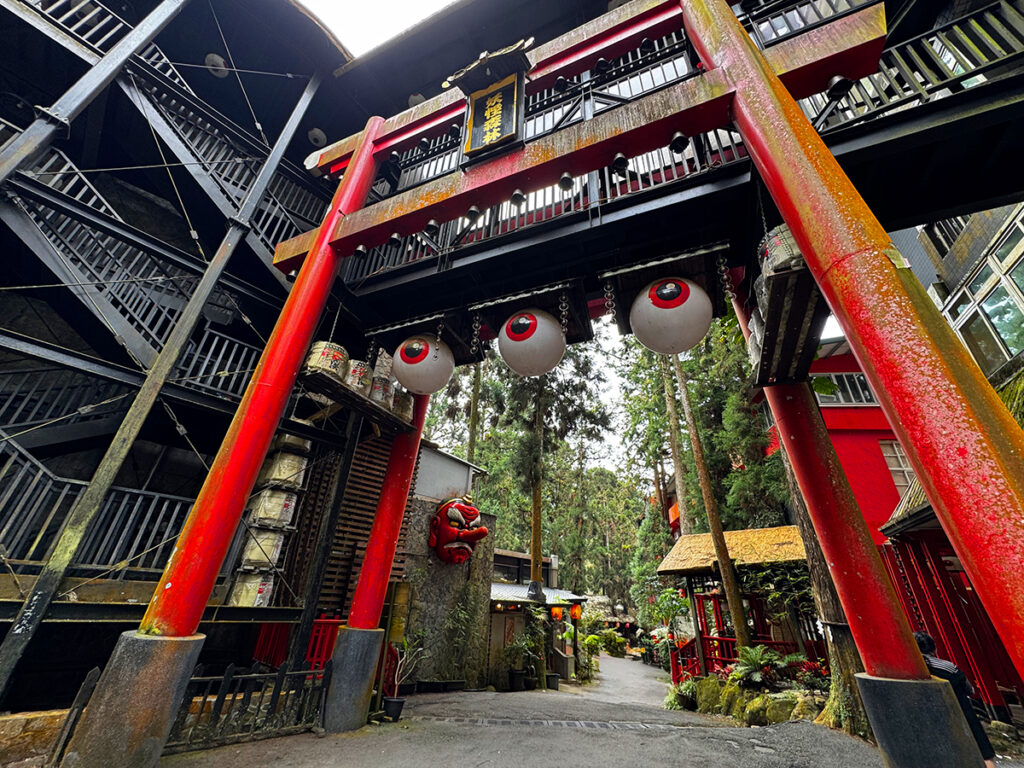
Before reaching the forest itself, the entrance to Xitou passes through Monster Village (妖怪村), a Japanese yōkai-themed shopping street built in the early 2010s. A large red torii gate marks the entrance, and monster statues and red lanterns line the shops selling snacks and souvenirs. Honestly, it struck me as a bit tacky. It’s essentially a Japanese theme park sitting at the gateway to a Taiwanese forest. The theme isn’t completely random, though. The village’s name nods to Xitou’s history under Japanese rule, when Japanese officials ran the forestry institute here. If you’re hungry before or after a hike, it’s a place to grab something to eat.
Hike to University Pond (大學池)
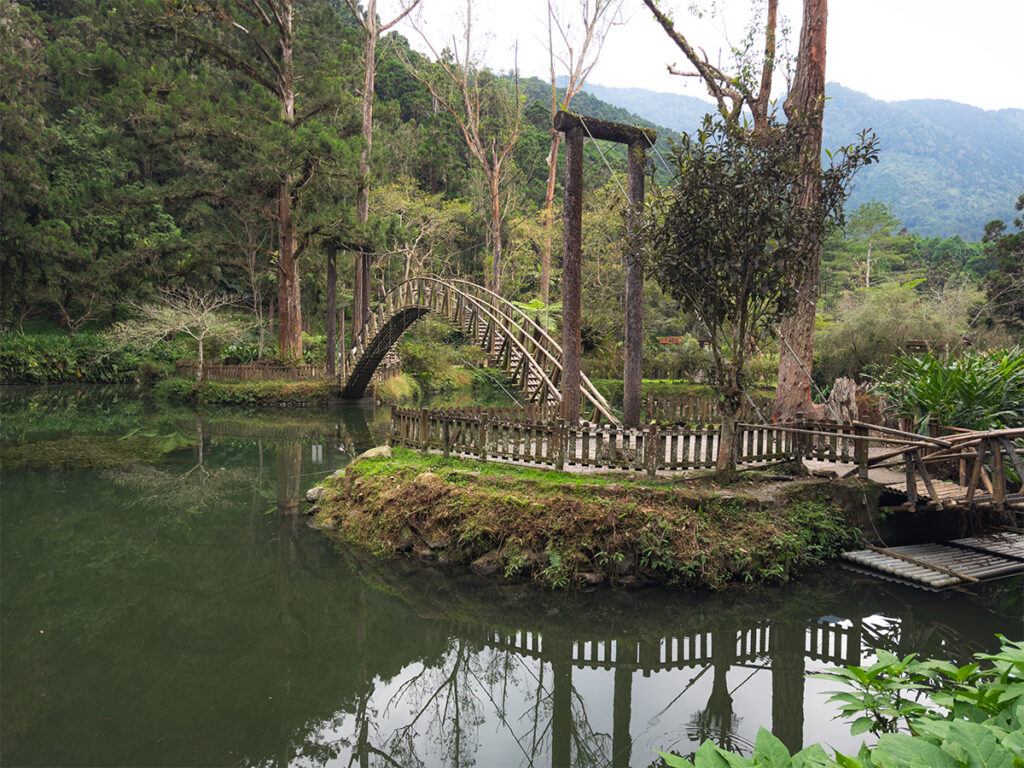
From the entrance, there are a bunch of different hiking trails you can walk. I ended up doing the University Pond trail since my mom was with me, and it’s one of the shortest hikes in the forest. The trail leads to an arched bamboo bridge crossing a small island in the middle of the pond, the still water reflecting the bridge and surrounding trees almost perfectly. We walked across, took it in, and circled back out. After spending the afternoon in Xitou, my driver took me back to Taichung HSR station to close out the trip.
FAQ About A 4 Day Taiwan Itinerary Through Hehuanshan, Sun Moon Lake & Xitou
Do you need a car to get around Nantou County?
Yes. Nantou has no HSR line, and few public transit options connect Sun Moon Lake, Hehuanshan, and Xitou. A private driver or rental car gives you the most flexibility to cover all three stops in four days.
When is the best time to see the sunrise or sunset above the clouds at Hehuanshan?
Clear mornings and evenings both offer a chance, but conditions change fast at this elevation. Fog and cloud cover can roll in with little warning, so build flexibility into your schedule rather than counting on one attempt.
Is Sun Moon Lake worth visiting?
Yes, Sun Moon Lake itself is genuinely beautiful. However, it’s one of the few places in Taiwan where you’ll regularly see foreign tourists, so prices run noticeably higher than the rest of Taiwan, especially for food.

Comments +