Disclosure: Some links may be affiliate links. This means that I may earn a small commission if you decide to buy (at no additional cost to you)
Last Updated on September 11, 2026 by Erin Donahue
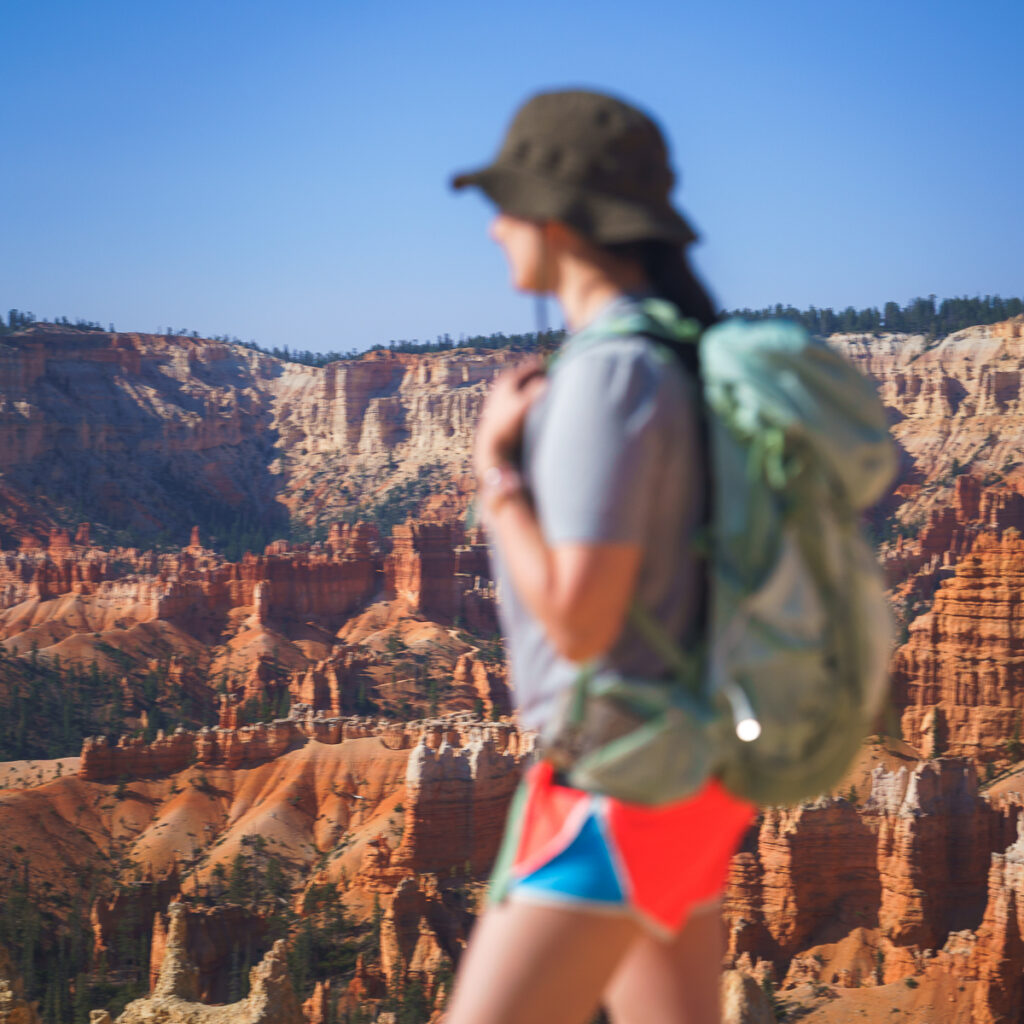
Sorry to break it to you, but Bryce Canyon National Park isn’t actually a canyon. Do you know what it is? Despite the name, Bryce Canyon is actually a series of natural amphitheaters carved into the eastern edge of a plateau by frost wedging and rainwater erosion.
I’ve previously written that Utah is one of my most visited states. For one reason or another, usually business-related, I find myself coming back quite frequently. On my most recent trip back to Utah, I went on a curated 3-day adventure with Southwest Adventure Tours, which whisked me away from the heart of Salt Lake City straight into the whimsical “silent city” of Bryce Canyon National Park. Initially in town for TravelCon, they were hosting a press trip to Bryce Canyon, which I applied to. Press trips are a great way to explore somewhere new while building your portfolio. If you’re coming from Salt Lake City like I was, check out my 3-day SLC itinerary before making the trip south.
About Bryce Canyon National Park
One family, the Syretts, practically runs the whole place: hotels, restaurants, tours, all of it. They built up Ruby’s Inn and most of the local businesses around the park entrance.
The park itself is federal land, run by the National Park Service, and the name actually comes from an early Mormon pioneer, Ebenezer Bryce, who settled the area but never owned the land the way the name might suggest. Bryce Canyon is one of the more visited national parks in the country, but it still has small-town energy. The local phrase for it is “helluva place to lose a cow,” has become the running insider joke to describe the terrain.
Bryce Canyon National Park covers 35,835 acres, but almost everything worth seeing sits along one 18-mile scenic drive on the rim, which runs between 6,600 and just over 9,100 feet. The park’s famous hoodoos are made from 40-to-50-million-year-old lake-bed rock, but they’re still actively forming. Over 200 freeze-thaw cycles a year keep cracking the limestone apart, so the shapes won’t be the same in a few hundred years. The park didn’t become a National Monument until 1923 and wasn’t upgraded to a National Park until 1928.
I also learned the pronghorn, which roams this part of Utah, is the second-fastest land animal in the world after the cheetah, and is the fastest in the US. Neither fact has anything to do with your itinerary, but you’ll hear both if you spend even a day in Bryce Canyon.
Top Guided Tours at Bryce Canyon National Park
It’s not necessary to have a guide for visiting Bryce Canyon National Park, but my whole trip included different guides. These are the operators I was set up with:
- Multi-day operators: Southwest Adventure Tours, who I traveled with. It was a custom itinerary they built in order to maximize exploring as much of Bryce Canyon National Park as possible. My SWA tour guide picked me up in Salt Lake City in a clean Mercedes Sprinter van and bundled hiking, stargazing, and nearby stops like Willis Creek and Kodachrome Basin into one trip.
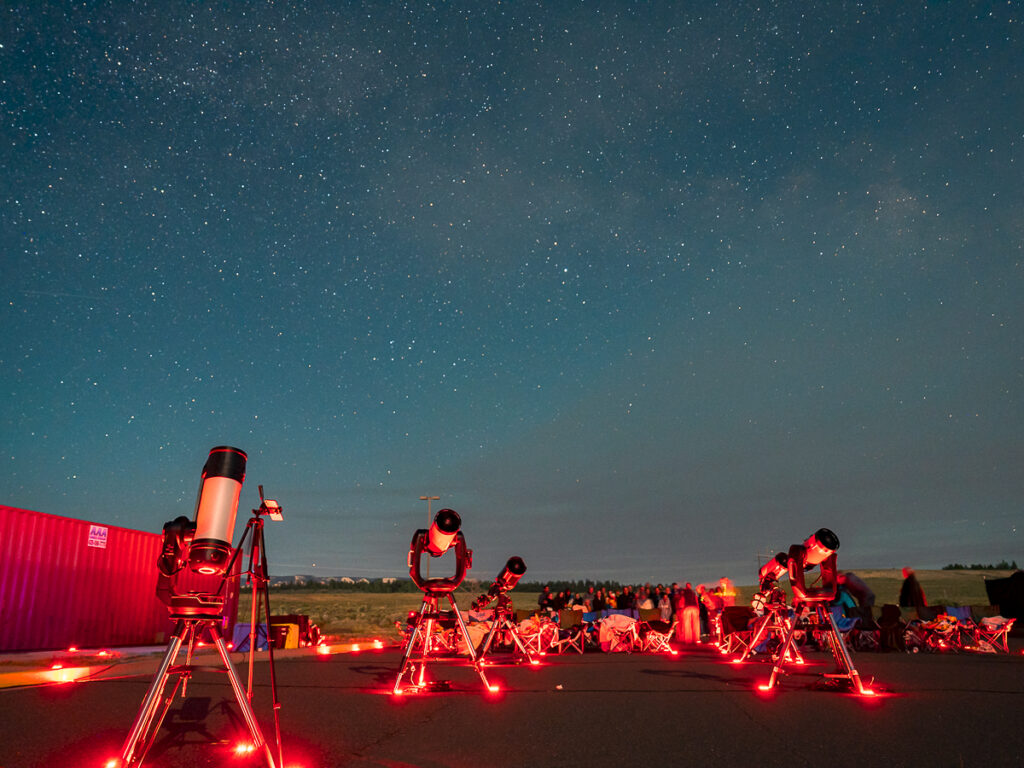
- Stargazing: Bryce Canyon National Park is a certified International Dark Sky Park, and the guides mix constellation-focused astronomy with Greek mythology storytelling while you look through their advanced telescopes. Bryce Canyon Stargazing is actually part of Southwest Adventure Tours, and pickup was right in front of Ebenezer’s.
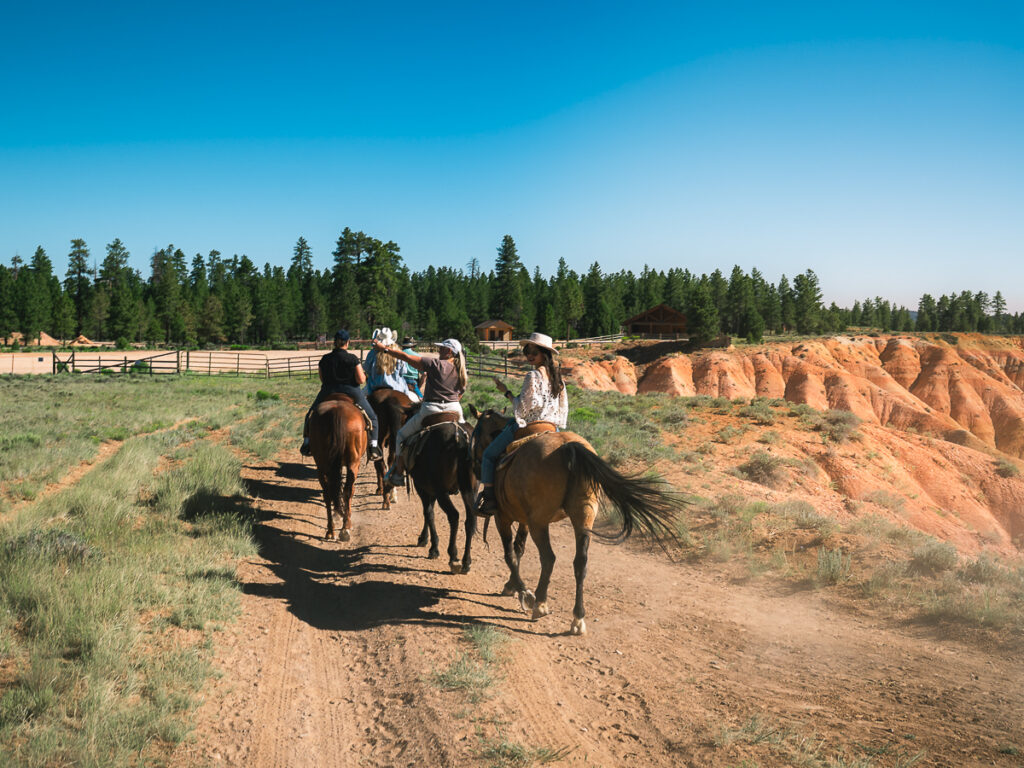
- Horseback Riding: Ruby’s Horseback Adventures runs the 1.5-hour, 4.5-mile loop through Dixie National Forest that I did.
- ATV/UTV: Part of the same family business, Ruby’s ATV Tours runs the guided RZR/ATV route through ponderosa pine forest to the rim.
Day 1 in Bryce Canyon National Park
To start the trip, Sonsari, my SWA tour guide, picked me up from Salt Lake City early in the morning, and off we went driving south. We arrived in Bryce Canyon in the afternoon and grabbed lunch before heading into the park.
By mid-afternoon, we were out at the overlooks, and I got to see the hoodoos for the first time. They’re tall, thin rock spires that look as if they were built rather than eroded. From above, they look delicate. However, standing next to one and walking in the park, you realize how massive they actually are.
After checking into the hotel, we headed to dinner at Ebenezer’s Barn & Grill. This is a Western dinner show featuring pre-prepared food paired with a live performance by the Bryce Canyon Wranglers. Following dinner, a shuttle picked us up in front of Ebenezer’s for stargazing. Bryce Canyon is a certified International Dark Sky Park, so guides set up high-powered telescopes for guests to look at the moon, planets, and constellations. I’ve done a fair amount of astrophotography over the years, but I’ve always wanted to hook my camera up to one of these telescopes for a proper deep space shot. While guests look through the advanced telescopes, the lead guide will also tell astronomical stories related to Greek myths.
Where to Stay in Bryce Canyon National Park
- Bryce Canyon City: Located right by the entrance of Bryce Canyon National Park. I stayed at the Best Western Plus Bryce Canyon Grand Hotel, which is about a mile from the park entrance and part of the same Syrett family operation that runs Ruby’s Inn and most of the local businesses. The customer service could’ve been better- nothing dramatic, just not especially attentive. Otherwise, it’s a standard hotel with complimentary breakfast, an indoor heated pool, and an outdoor pool and hot tub if you’re visiting in summer. Ruby’s Inn and Bryce View Lodge are also here, all walkable to shops and restaurants.
- Camping: North and Sunset Campgrounds sit inside the park if you want to wake up on the rim.
Day 2 in Bryce Canyon National Park
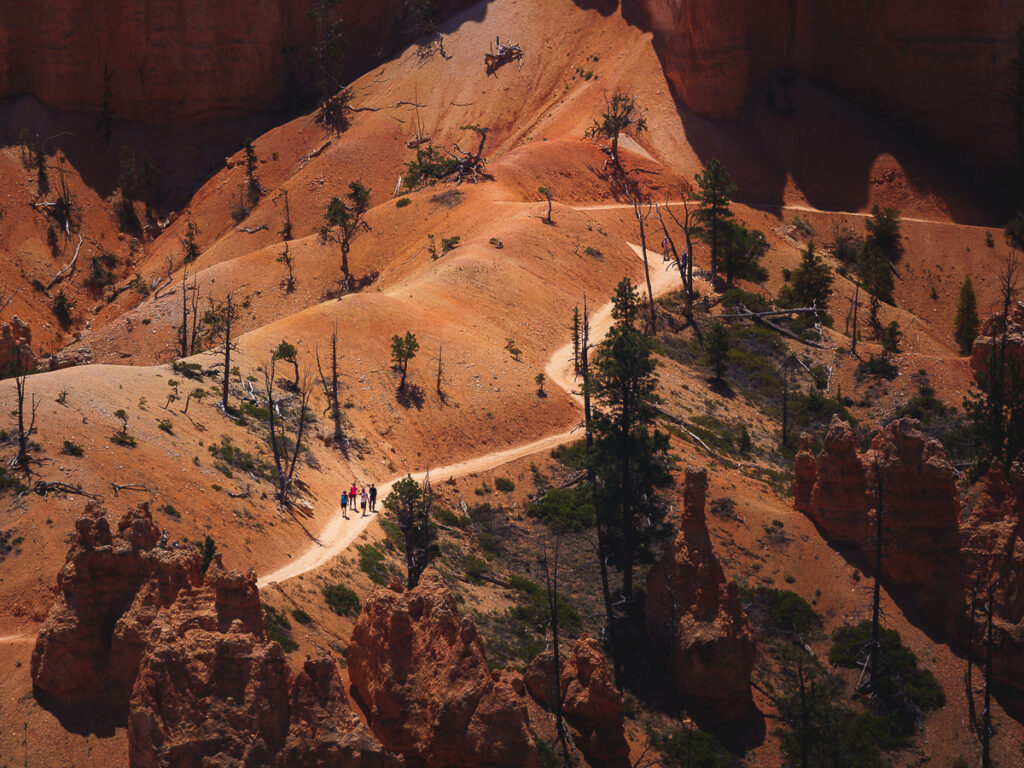
Beginning the day inside the rim with the hoodoos, I hiked the Navajo Loop Trail, which is a steep, moderate-difficulty, front-country hiking loop. We set off from Sunrise Point and ended at Sunset Point, and I completely forgot to look down and snap a picture of the popular Instagrammable scene after hiking up the switchbacks following the Wall Street section. Here, I couldn’t tell if I was appalled or amused watching other tourists walk this trail in flat sandals with zero tread. The terrain isn’t extreme, but it’s not flip-flop terrain either.
What to Pack for Hiking Bryce Canyon National Park
The essentials are hiking boots, sun protection, and more water than you’d think you need. For a backpack, I used my Osprey Tempest 33L to carry everything because it was my personal item for the plane and the only bag I have with hip support. Unless you’re doing the longer hikes, a backpack less than 28L should be sufficient.
- Hiking boots with tread. The ground is gravelly, with rocks everywhere. I don’t hike that often, so I’ve been using the same pair of Columbia hiking boots since 2019.
- Layers. The rim sits at 8,000-9,000 feet, so mornings are cold even in summer. It warms up fast once the sun clears the plateau.
- Sun Protection. There’s minimal shade below the rim. Pack a hat, sunglasses, and lots of SPF.
- Refillable Water Bottle: Elevation and dry air pull moisture out of you faster than sea-level hiking.
- Trekking poles: Optional, but useful if you need them. I’ve never used trekking poles, though.
Willis Creek Slot Canyon
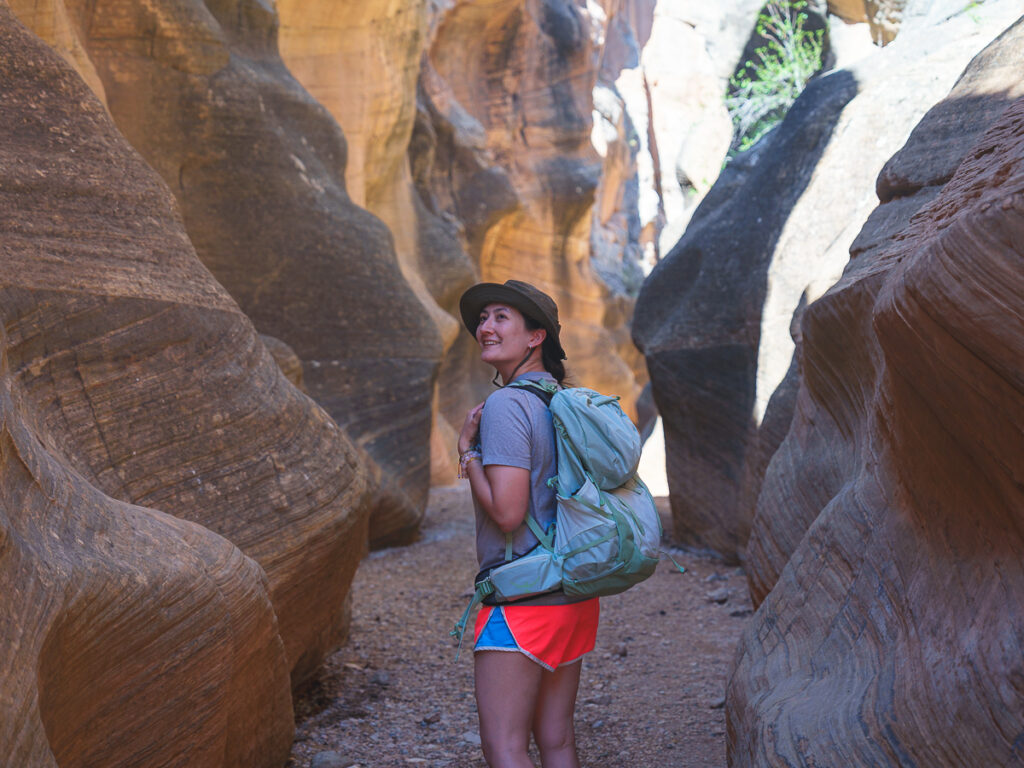
With more hiking in the itinerary for the day, we headed to Willis Creek Slot Canyon in the afternoon. Slot canyons are narrow, winding passageways carved into the rock by wind and water. During my first ever visit to Utah, I hiked through the Peekaboo and Spooky Slot Canyons in Grand Staircase-Escalante National Monument, which were way narrower, so Willis Creek was a walk in the park. However, I felt the heat ten times worse than on the Navajo Loop Trail.
Kodachrome Basin State Park
From there we headed to Kodachrome Basin State Park and hiked the Panorama Trail. The visitor center at Kodachrome might be the best one I’ve been to at any park, state or national. There’s a rock-built water fountain, turf, a rock climbing wall, swinging seats, and enough seating that you could hang out there for a while before or after the hike.
On the trail, you can find over a hundred handprints pressed into the sandstone at a spot called Indian Cave. Unlike typical petroglyphs, nobody carved these. Someone rubbed their bare hand against the rock, most likely when it was wet, and the soft, loosely cemented sandstone wore away. According to our tour guide, they date back to sometime in the 1800s, much more recent than the ancient times of other petroglyphs in other parts of the world. Whatever their exact origin, it’s worth treating the site with respect on the quick detour to see them.
Day 3 in Bryce Canyon National Park
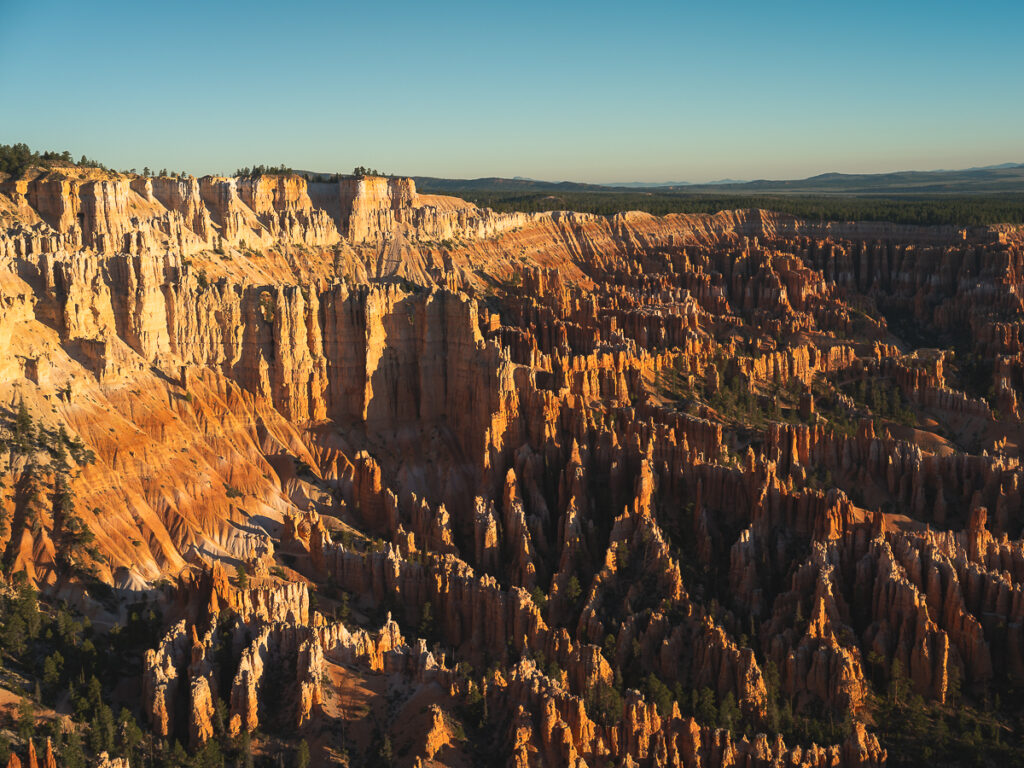
The last day of the 3-day Bryce Canyon itinerary was an early one. I had to get in at least one sunrise chase, and our tour guide brought us to Inspiration Point. Like many other natural formations with fluctuating weather, Bryce Canyon was windy when the sun was down, but the wind settled once it came up.
Honestly, with the absence of clouds in the sky, sunrises and sunsets aren’t that impressive to me here. The focus should be on the light moving across the hoodoos themselves. This kind of photography knowledge seemed to be lost on the other visitors who were at the viewpoint. Strangely enough, the second the sun started showing over the plateau horizon, the area became a ghost town. I had Inspiration Point essentially all to myself during golden hour, save for my fellow creators who were hurrying to get content while the light was still perfect.
Horseback Riding in Bryce Canyon National Park
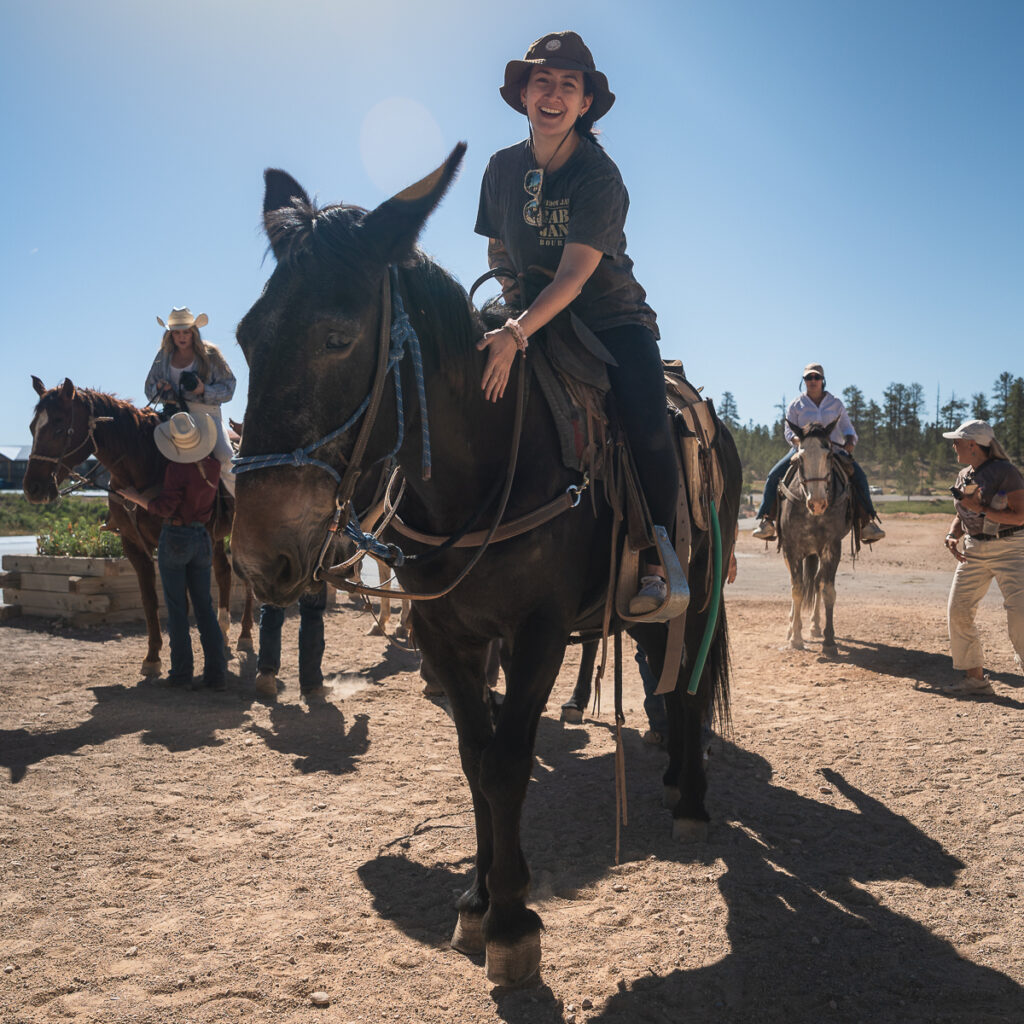
After breakfast, horseback riding was on the itinerary through Ruby’s Horseback Adventures. Initially, I was hesitant to get on, but not for the reason you’d think. I’m a horse-lover through and through, spent childhood summers at horseback riding camp, and my main concern was whether there was any animal abuse or neglect. I didn’t know how these horses were treated, but after talking with our guide and meeting the ranch team, it was clear they care about the animals, and every one of them looked healthy.
I ended up on one of their mules, Jessy, instead of a horse, since I was capturing content and they didn’t allow bags on the saddles. Riding a mule felt no different from riding a horse, except Jessy was more chill than the horses around him. A little too chill. He had his own rump “gas” tapper to get him moving, but I couldn’t reach it with a camera in my hands the whole ride. The 1.5-hour, 4.5-mile loop takes you through Dixie National Forest, and briefly along the rim.
Bryce Canyon City Guided ATV/RZR Tour
Afterwards, we traded animals for engines. Living in New York City, I barely drive anymore, even though I grew up in New Jersey behind the wheel. I’m a proponent of public transit, so I go months without touching a car until I’m outside of NYC. Just like riding a bike, driving is pure muscle memory. I started on the Polaris RZR UTV to get some practice in, and then halfway through the tour I switched to the ATV, and it was exhilarating. Between the two, I prefer the ATV. Anything with handlebars beats a steering wheel.
Closing out an epic 3-day Bryce Canyon itinerary, we left for Salt Lake City in the early afternoon to commence the 4-5 hour drive back. On the way back, stopped in Beaver, Utah, at The Creamery for lunch and ice cream.
FAQ About a 3-day Bryce Canyon Itinerary
How big is Bryce Canyon National Park?
Bryce Canyon covers 35,835 acres. Most of what you see sits along one 18-mile scenic drive on the rim.
How high is Bryce Canyon National Park?
The elevation in Bryce Canyon National Park runs from about 6,600 feet at the park’s low point to just over 9,100 feet along the rim.
How much does it cost to enter Bryce Canyon National Park?
A private vehicle pass is $35 and covers 7 days. On foot, bike, or with a non-commercial group, it’s $20 per person. An annual Bryce Canyon pass runs $70, or get the $80 America the Beautiful pass if you’re hitting other parks too.
Is Bryce Canyon actually a canyon?
No. Despite the name, Bryce Canyon is a series of natural amphitheaters carved into the eastern edge of a plateau by frost wedging and rainwater erosion, which is what created the park’s signature hoodoos.
What is Bryce Canyon known for?
Bryce Canyon National Park is known for its hoodoos, the tall, thin rock spires carved by erosion.
How many days do you need at Bryce Canyon?
Three days is enough to cover the main overlooks, hike below the rim, and fit in extras like stargazing, horseback riding, UTV, and hiking Willis Creek and Kodachrome Basin.
How far is Bryce Canyon from Salt Lake City?
About a 4- to 5-hour drive south.
Where should you stay near Bryce Canyon?
Best Western Plus Bryce Canyon Grand Hotel is about a mile from the park entrance. It’s part of the same Syrett family operation that runs Ruby’s Inn and most of the local businesses around the park.
How busy is Bryce Canyon National Park?
Summer (June-September) is peak season in Bryce Canyon National Park and pulls roughly 60% of the park’s annual visitors. For fewer crowds, aim for the shoulder months, April-May or September-October, or go in January- February, when crowds drop to about 10% of summer peak.

Comments +