A One Week Seoul Travel Guide for First-Time Visitors
Disclosure: Some links may be affiliate links. This means that I may earn a small commission if you decide to buy (at no additional cost to you)
Last Updated on February 25, 2026 by Erin Donahue
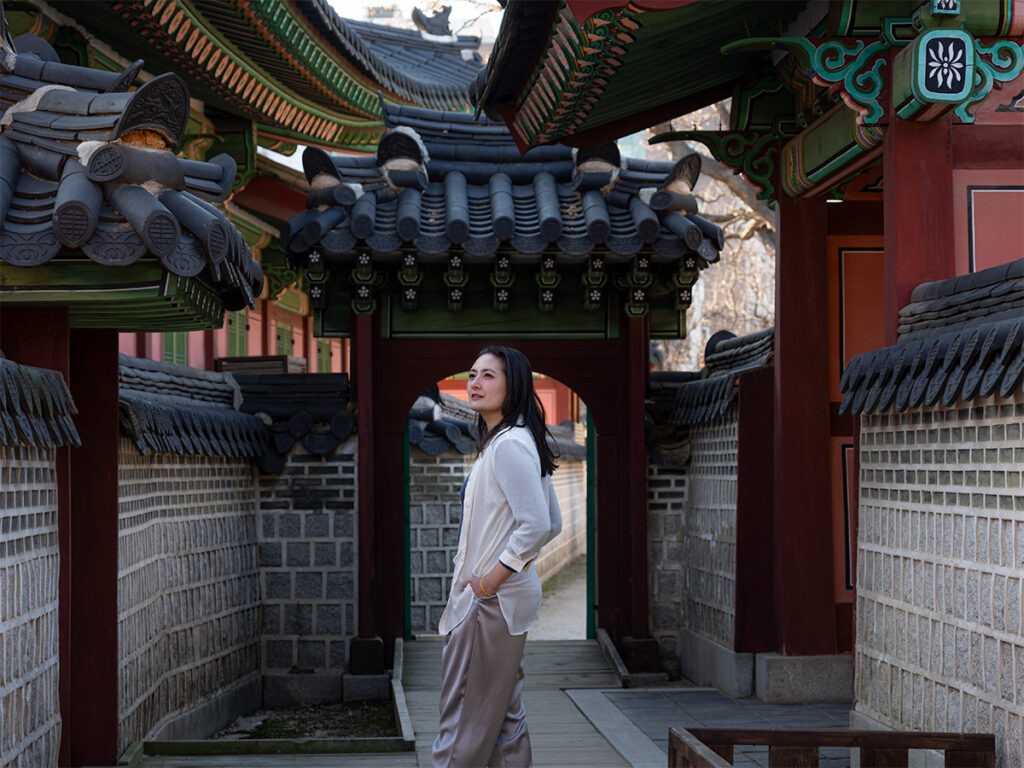
Seoul had been on my radar for a while, but I’ll be honest—I barely planned this trip. As a seasoned traveler, the older I get, the less I plan. I kind of just show up and let the city reveal itself! I think it’s more fun that way, don’t you agree?
What I discovered was that Seoul is genuinely one of the most first-timer-friendly cities in Asia. What I didn’t expect, though, was sleeping through one of the most significant political moments in modern Korean history (more on that below). Whether you’re interested in exploring rich history and culture or just want to eat, shop, and pamper yourself, Seoul is the perfect destination without you needing to be an expert planner.
Is Seoul Worth Visiting for First-Time Travelers?
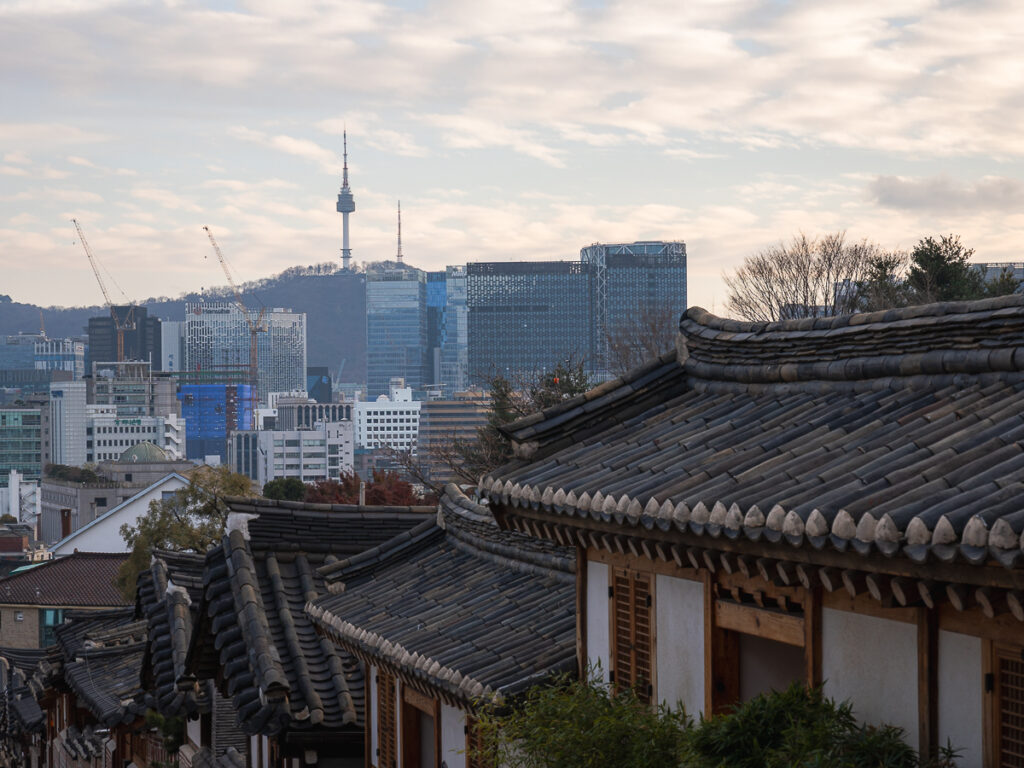
I’m happy to report that Seoul is one of the easiest cities in Asia for first-time visitors. Public transportation is intuitive, and the infrastructure is built to handle passengers efficiently. I barely planned this trip, and when I slept through the president declaring martial law, I still managed to navigate the city without issues. On a practical level, that says a lot about how well South Korea functions.
A big reason for this ease comes down to South Korea’s rapid development. The country is one of the Four Asian Tigers (also known as Little Dragons) alongside Taiwan, Singapore, and Hong Kong. I thought Japan was also part of this group, but Japan industrialized way earlier, back in the 1800s, during the Meiji era. These economies underwent aggressive industrialization in the late 20th century and emerged with outsized global influence. In addition to wealth, that growth produced dense infrastructure, reliable public transit, advanced digital systems, and a level of efficiency that travelers feel immediately.
You don’t need to know the history to benefit from it. For a first-time visitor, the efficiency and reliability you can expect from Seoul takes the edge off and lets you actually enjoy the city instead of being overwhelmed.
What Surprised Me Most About Seoul as a First-Time Visitor?
While I was in Seoul, something historically big happened in the middle of the night. I had no idea until I woke up to a bunch of concerned messages from home. On December 3, 2024, President Yoon Suk Yeol declared martial law for the first time since the 1980s. However, lawmakers were able to vote against it within hours, and it was lifted while most of us were sleeping. As of this writing, South Korea is seeking the death penalty for the declaration, which goes to show how serious the situation was. What’s crazy to me is I slept through a national emergency and woke up to business as usual.
What First-Timers Should Know Before Arriving in Seoul
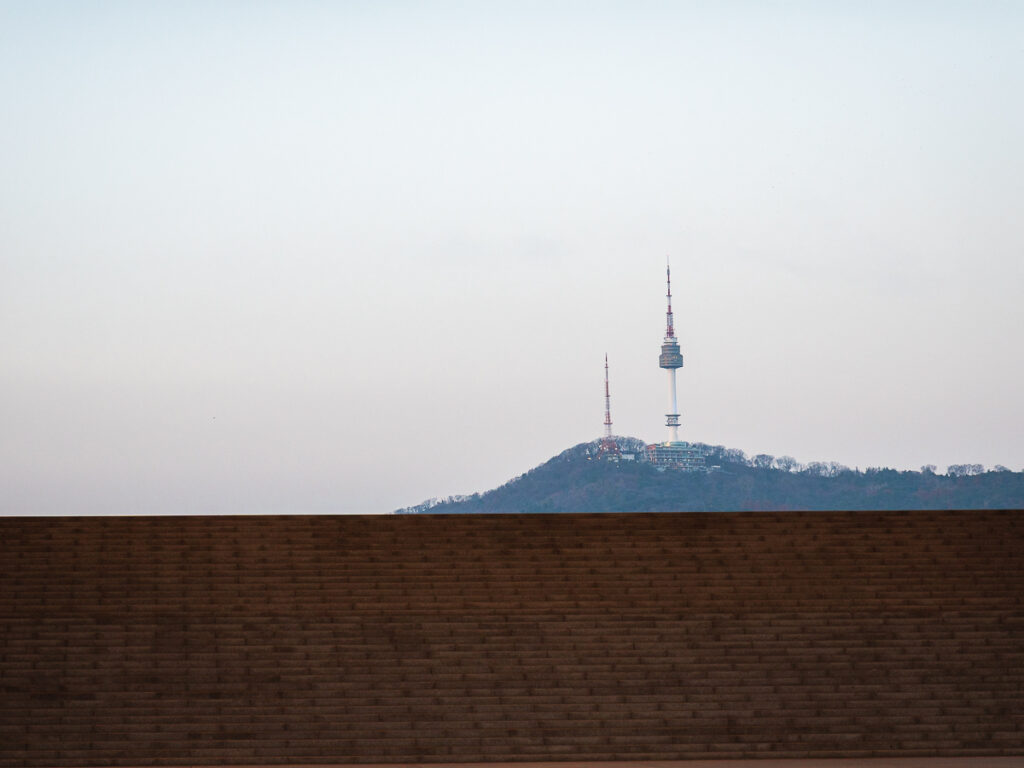
Seoul is relatively easy to navigate as a foreigner once you understand a few practical and cultural differences. None of them are dealbreakers, but knowing them ahead of time makes the city feel far less overwhelming.
- Starting with the basics: bring your passport everywhere. You’ll need it for tax-free shopping and VAT refunds at stores like Olive Young, Korea’s version of Sephora.
- Be sure to download apps like Naver or Kakao Maps. For whatever reason, Google Maps doesn’t work there.
- Payment is simple, with a few caveats. It’s easy to get by without cash, and I paid for almost everything with a credit card. When doing this, be sure to use a credit card with no foreign transaction fees. I typically bring my Capital One Venture X and Amex Gold with me. You’ll also be happy to know there’s no tipping culture.
- Then there are certain culture shocks I wasn’t expecting, especially on public transit. Korean ajummas and elders won’t hesitate to push past you when entering or exiting the trains. I find it quite obnoxious and rude. Korea isn’t the only place this happens, though. I’ve also experienced it a lot in Taiwan as well. While there are terms for ‘excuse me’ in each respective language, saying it is not really customary like it is in the West. So, unless you say it first, be prepared to get bulldozed. I’m not above shoulder-checking a grandma, though, if they do that.
Where to Stay in Seoul for Your First Trip
Before I checked into my hotel, I refreshed at Incheon Airport’s traditional Korean bathhouse, Spa on Air. If your flight lands early or you’re stuck with a layover, this jimjilbang is a lifesaver. Less than $15 gets you six hours of access. I caught a 2.5-hour nap in the lounge area before meeting my friend and taking the airport bus into the city.
For this first trip to Seoul, I made Myeongdong my home base. The neighborhood puts you in convenient proximity to everything, and the subway connects you anywhere else you want to go. During my visit, I stayed at Four Points by Sheraton Josun Myeongdong. Opened in 2020, this relatively new property balanced comfort and budget well enough, and getting to and from the airport was straightforward. Initially, I considered booking an Airbnb for kitchen access, but passed after learning about hidden camera concerns in Korean rentals. In general, Myeongdong runs pricier than other neighborhoods, but when you’re figuring out a new city for the first time, being central matters the most to me.
The Best Things to Do in Seoul in One Week
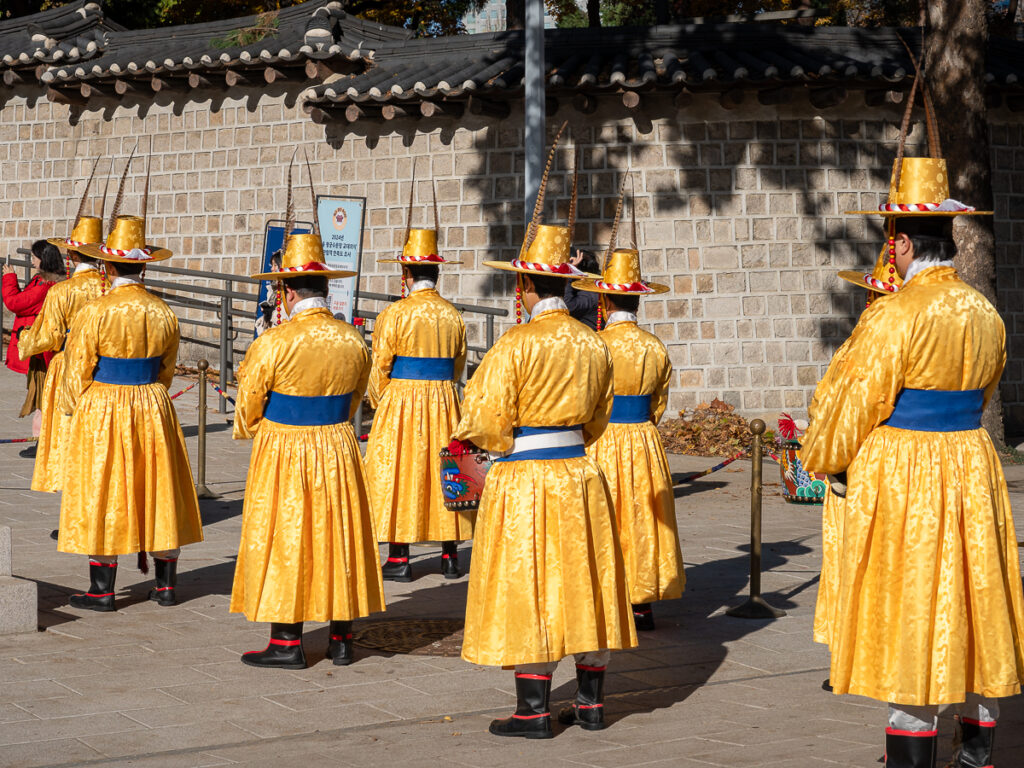
A week in Seoul gives you enough time to experience parts of the city without rushing. If it’s your first time, squeeze in at least one palace visit. They give context to everything else you’ll see in the city.
Changdeokgung Palace
Built in 1405, Changdeokgung Palace was a quiet campus to visit. The Secret Garden is supposedly worth the extra ticket, but I wasn’t able to get it since there was construction. Entry is inexpensive, and it’s one of the easiest ways to experience Seoul’s history without committing an entire day.
National Museum of Korea
A free stop that’s worth your time. Even if you don’t go deep, it helps anchor what you’re seeing around the city, especially if you don’t have much background on Korean history.
Changing of the Guards at Deoksugung Palace
This is one of the easiest free experiences in the city. On my other travels to Copenhagen, I also saw the changing of the guards there. Here, I was randomly passing by Deoksugung Palace when I was walking around town. If you time it right, you get a short cultural moment without much effort.
Seoul’s Neighborhoods
- Ikseon-dong Hanok Street completely changes depending on the time of day. During the day, it’s full of cafes and bakeries. At night, it turns into a cluster of Korean BBQ spots and bars for friends and people getting off work to let some steam off after a long day at work.
- Bukchon Hanok Village is undeniably touristy, but it’s still worth seeing. Hundreds of traditional hanoks line the hills, and the views are impressive. Just remember, this is a real residential neighborhood. Keep noise down and be respectful when taking photos.
Shopping in Seoul
Shopping is everywhere, and it’s dangerously easy to spend money without realizing how much time has passed. You’ll want to shop constantly. I spent more money here than I have in any other destination, mostly on skincare, but not exclusively. When you find a good deal in Seoul, it’s usually a very good deal. I mainly got skincare at Olive Young since that’s what Korea is known for.
Coffee Culture Overload
The coffee culture in Seoul is next level! Supposedly, cafes in Korea are third spaces for friends to meet since going to each other’s houses is not really a thing there. I went to a bunch of cafes with the sole intention of trying all the salt breads and lattes.
What to Eat in Seoul
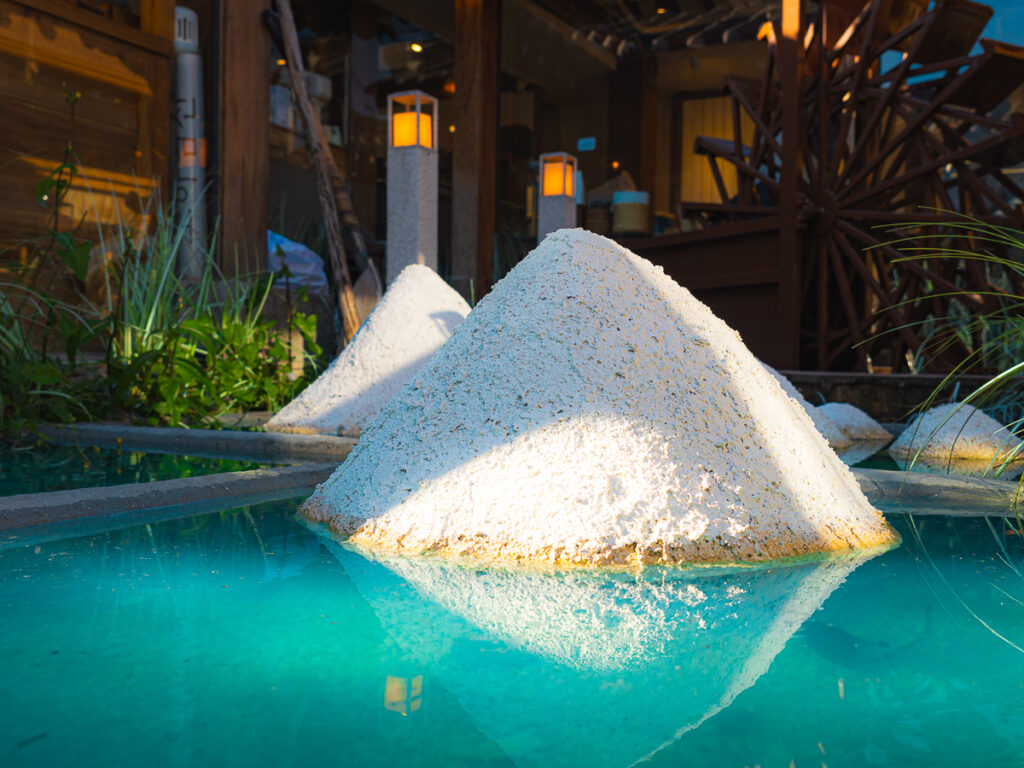
Like many places outside of the U.S, you can eat like royalty without breaking the bank. I ate a little too well in Seoul. What surprised me was the diversity of food available in Seoul. In the States, it feels like Korean food is limited to K-bbq and a few other dishes. Here, between the volume of food options and how easy it is to stumble into something good, eating is a full-time activity.
Myeongdong
- Jangan Samgyetang for ginseng chicken soup. I stumbled here after a long, cold day walking around the city. It’s exactly what you want when you need something warm and grounding.
- Salt bread became a small obsession. The popular spot I went to was Soha Salt Pond and a random bakery by my hotel, Haeundae Dalmaji. A lot of people describe it as a croissant, but it doesn’t have a flaky shell. To put it simply, it’s just buttery bread, but the Koreans do it just right. The sitting area of Soha is relaxing, but I preferred Haeundae Dalmaji’s salt bread a lot more. Since I’m an absolute carb lover, I brought a dozen back to the States, but they don’t taste as good as fresh.
- A Flower Blossom on the Rice was a lucky find after visiting Bukchon Hanok Village. It’s a Michelin Guide-listed restaurant in the back of a grocery store. I stumbled upon it randomly, and the flavors were so good. Even though it’s listed on the Michelin Guide, it was quiet with no line to sit.
- Mil Toast Ikseon can be found in the Ikseon-dong Hanok Street area, and is aggressively TikTok-hyped. It’s overpriced for what it is, but I’ll admit the latte was excellent. The cream alone almost justified the wait time. I don’t do lines, but this wasn’t my call, and thankfully, the line moved quickly.
- Solsot Pot Rice House is also in the Ikseon-dong Hanok Street area, and was probably my favorite meal of the whole trip. I love rice, and the way it sticks to the stone pot gives it an amazing texture and flavor.
- Songjuk for a rice porridge was a nice breakfast. Very similar to Chinese rice porridge, but this was a bit too savory for me. However, it’s nutritious, filling, and consistently good.
Itaewon
- Rain Report (레인리포트): A cool space that’s designed to look like it’s raining every day. I found this place on TikTok, and was surrounded by lots of other foreigners here, which I knew meant it’s overhyped and prices were jacked up. While the vibes were tranquil, it’s a pass for next time.
- Lazy Farmers: A vegan Italian restaurant in the same complex as Rain Report. The concept is really cool, but you could skip this, too. Upon a quick Google search, though, it looks like it might be permanently closed now.
Gangnam
- Hyodo Chicken: classic Korean fried chicken. Be prepared to smell like oil after you’re done eating.
Is a Day Trip From Seoul Worth It?
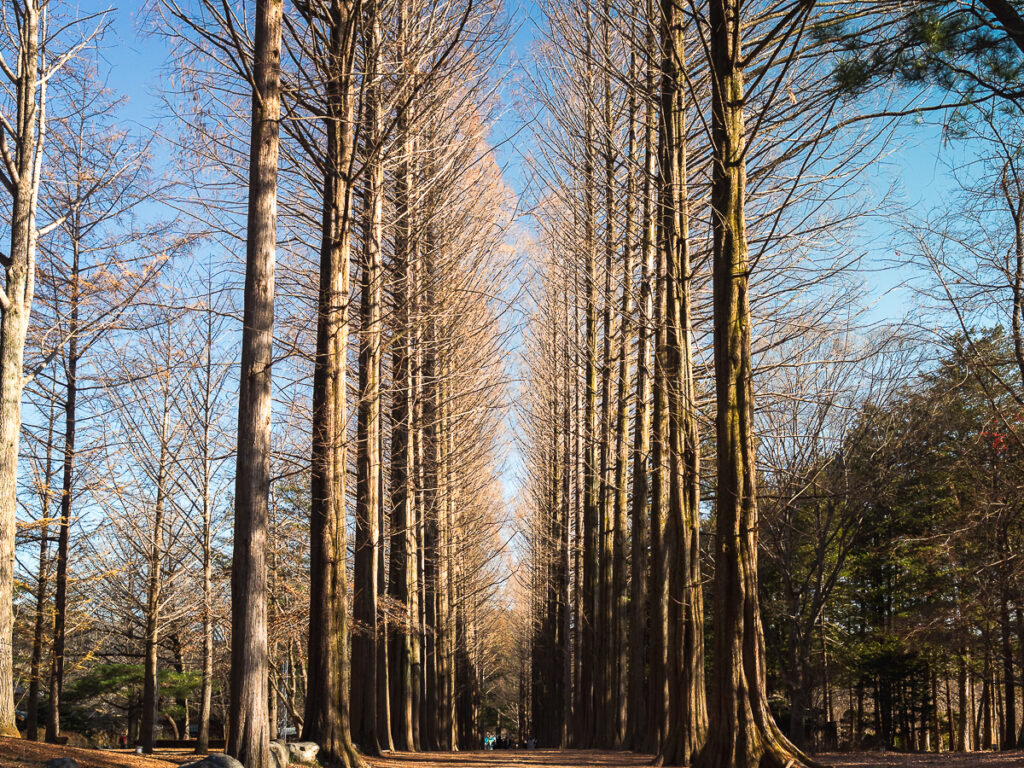
During my time traveling in Seoul, I was able to squeeze in a day trip to Nami Island. There are a variety of ways to get there, with many taking an express shuttle bus, but I challenged myself to use only public transportation.
For the most part, getting there is straightforward on paper. However, if you used the Climate Card, know that it doesn’t work outside the Seoul metropolitan coverage zone, so you’ll need cash or a T-money card. Trains run to Gapyeong Station, and from there you take a shuttle bus to Nami Island, which arrives every 30 minutes.
When I finally arrived, I was surprised to learn that Nami Island is basically a manufactured tourist attraction. I was expecting a quiet nature escape. Something closer to the parks I’ve visited in Japan, like Munakata Taisha in Kyushu. Instead, it’s a highly curated tourist attraction where people come simply to take pictures because popular K-dramas were shot there. I visited in the winter, and it didn’t do much for me. I can see how this would be more appealing in spring or fall when the trees are full. If you want a break from the city and you’re visiting during warmer months, Nami Island can be worth the effort. If not, staying in Seoul is a better use of your time.
Is It Worth To Go To Seoul For Beauty Tourism?
There’s a reason South Korea is known as the plastic surgery capital of the world. If you’re familiar with my page, you’ll already know that beauty tourism wasn’t a side quest on this trip. It was one of the main reasons why I was excited to go to Seoul and get 5 procedures in a day.
South Korea has been positioning its beauty and wellness as a cultural export for years, and Seoul is the center of that ecosystem. Prices are lower than in the U.S., and procedures are more accessible because clinics are on every corner. However, that doesn’t mean it’s a free-for-all. While Seoul may be a global beauty tourism hub, you still need to research clinics carefully and keep your expectations grounded.
Protect Your Trip to Korea With Travel Insurance
Before you book your Korea trip, protect yourself against flight delays, lost luggage, and medical emergencies. You can purchase it even after your trip has started! I use SafetyWing for all my Asia travel because it covers:
- flight delays and cancellations
- Lost or delayed luggage
- Medical emergencies abroad
- Adventure activities coverage
FAQs For First-Time Visitors Traveling to Seoul
Is Seoul a good destination for first-time visitors to Asia?
Seoul is one of the easiest entry points into Asia for first-time travelers. Transportation is efficient and easy to navigate, English signage is everywhere, and you don’t need extensive planning if you’re staying in the metro city area.
How many days do you need in Seoul for a first trip?
A week is ideal if it’s your first time. It gives you enough space to explore historic areas, neighborhoods, food, and shopping without rushing.
Is Seoul expensive compared to the United States?
Food, public transportation, and services are significantly cheaper than in major U.S. cities. Hotels in central areas can be pricier, but overall costs feel reasonable.
Is Seoul worth visiting if you don’t plan much in advance?
Seoul is very forgiving for travelers who prefer to figure things out as they go. With the right map apps and a central base, you can show up with minimal planning and still have a smooth experience.
Leave a Reply
is the creative studio of Erin Donahue, offering photography, videography, and content creation services for brands, hotels, tourism boards, and publications.
Based in New York City, but available globally, this multi-disciplinary digital creative left a career in the hedge fund space to pursue her passion as a travel and brand photographer, creating imagery that resonates with audiences. She approaches every project with a focus on storytelling, producing visuals that engage and inspire.
Her work has been commissioned by brands like Sony, Apple, and Google, and the content she has created has reached millions across social media.
To keep up to date with everything she shares, follow along on social media and read up on what camera gear she uses to capture the shot.
Niredonahue®