Disclosure: Some links may be affiliate links. This means that I may earn a small commission if you decide to buy (at no additional cost to you)
Last Updated on January 8, 2026 by Erin Donahue
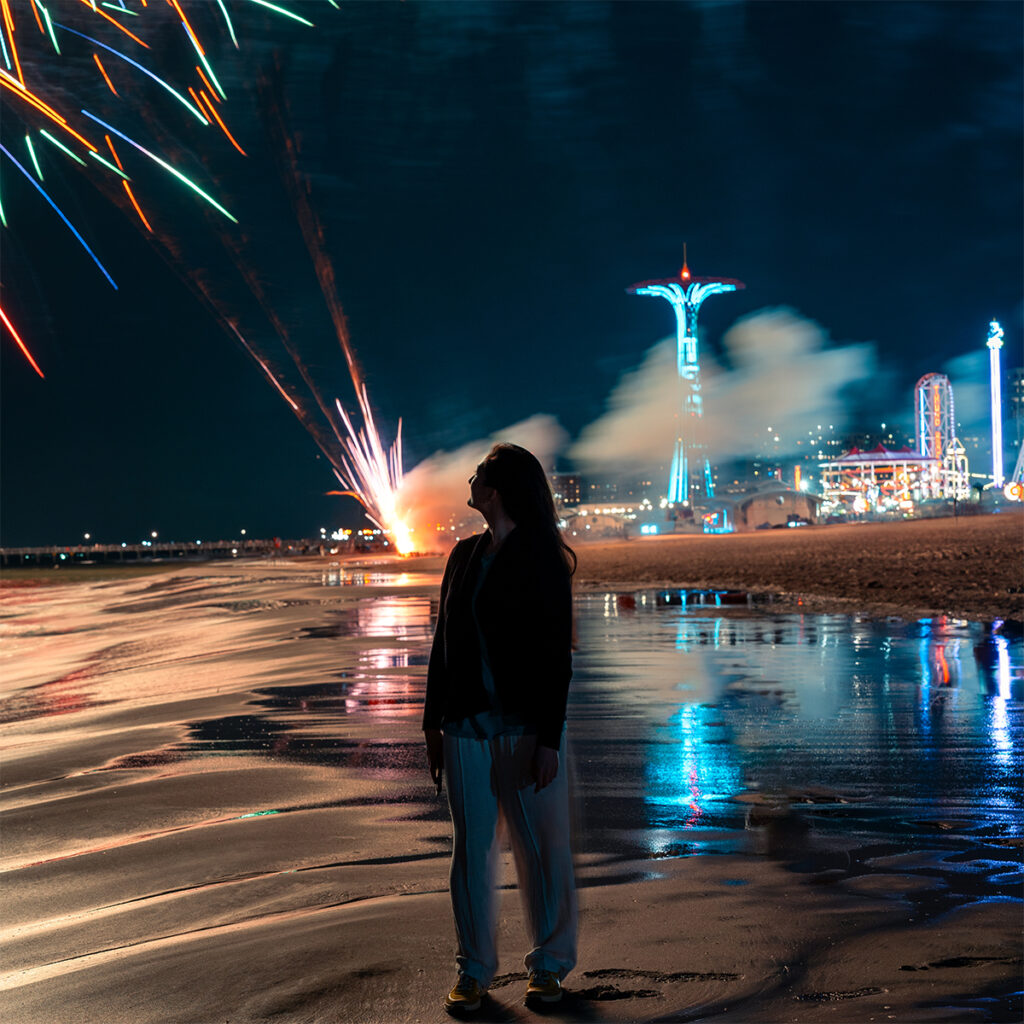
When taking pictures, long exposure photography is a technique that allows you to capture the passage of time in a single frame. Long exposure photography involves using a prolonged shutter speed to capture an extended period in a single image. This technique is particularly popular for capturing motion, creating dreamy effects, and transforming mundane scenes into works of art.
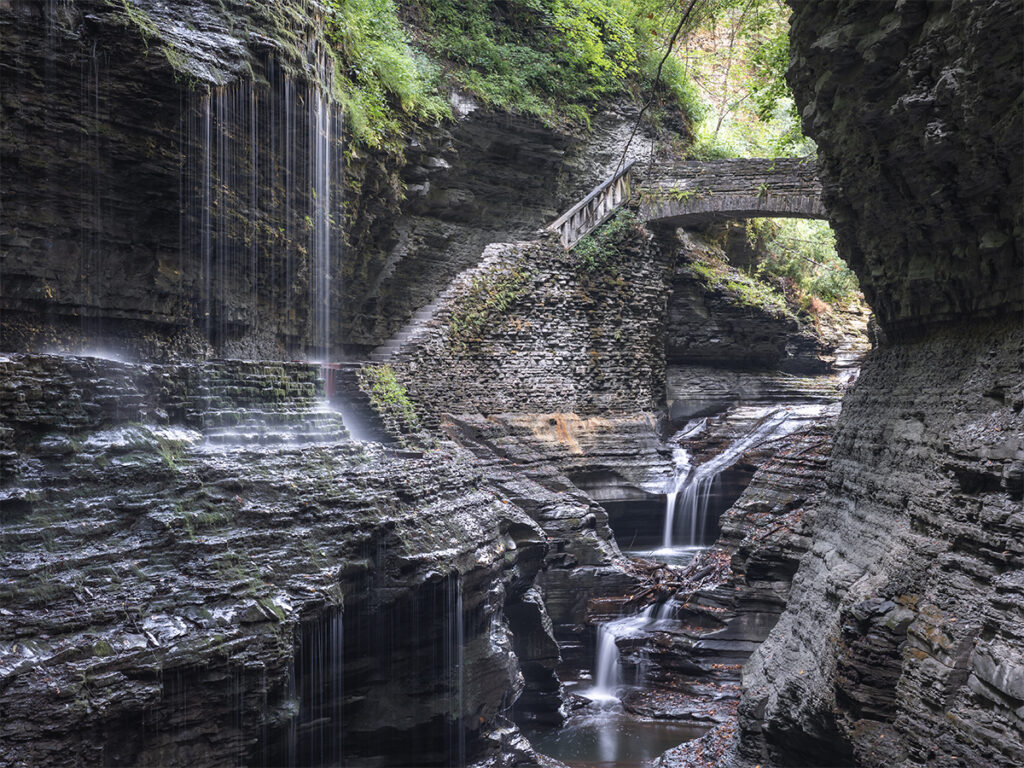
By allowing more light to hit the camera sensor over an extended duration, long exposure images often showcase dynamic elements such as flowing water, streaking lights, and blurred clouds, adding a sense of drama and surrealism to the photograph. Understanding and mastering long exposure photography can open up a realm of creative possibilities.
Camera Gear Needed
Anytime you’re dealing with long exposure photography, you’ll need most of the equipment listed below so that you have full control over what you’re trying to create.
- Use a camera with manual exposure settings. DSLRs and mirrorless cameras are commonly used for long exposure photography.
- Tripod is an absolute must. The shutter will be open for long periods, and any shake will blur the image.
- Shutter release remote or in-camera timer. When setting off the shutter, it’s important not to touch the camera! A shutter release remote will allow you to press the shutter without pressing the shutter. Personally, I hate carrying extra camera gear with me, so I just set the timer to two seconds so that my hands are not on the camera when the long exposure starts.
- A Neutral Density (ND) filter limits the amount of light entering the lens, allowing for longer shutter speeds in bright conditions.
Long Exposure Photography Camera Settings
Camera settings will depend, since there are different ways to photograph long exposure shots. Do yourself a favor and shoot in RAW. If you’re still shooting in JPEG, it’s time to cut that ish out and level up! Having complete control over all aspects of your image is crucial since there’s going to be a lot of trial and error. Editing in post-processing plays a key role in bringing out the best final result. I don’t like to give exact settings anymore because it’s heavily dependent on your environment.
- Take control of your exposure settings by switching to manual mode on your camera.
- Keep your ISO low (typically 100-200) to minimize digital noise in the image.
- Aperture will vary depending on how much available light is in the environment
- Shutterspeed is the most important variable when it comes to long exposure photography. Experiment with different shutter speeds based on the effect you want to achieve.
Types of Long Exposure Photography
Long exposure photography is like a creative playground with diverse tricks up its sleeve. It’s a realm where moments are stretched, lights shine through, and the world is seen through a lens of artistic possibilities.
Light Painting
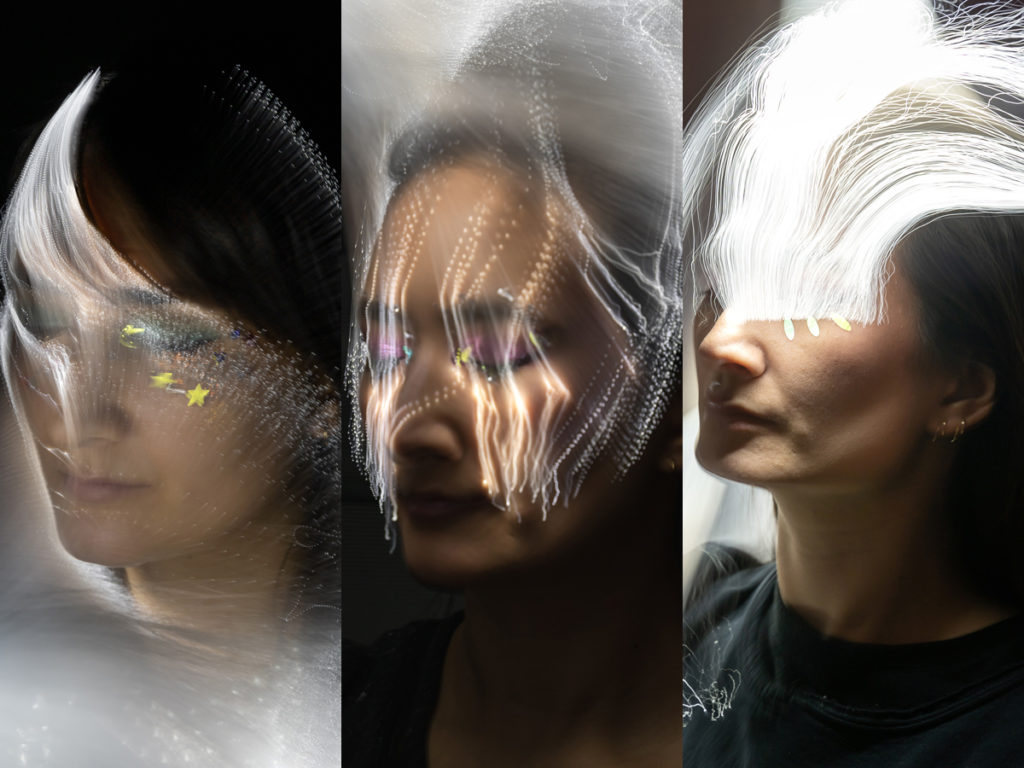
Light painting photography is a sub-genre of long exposure techniques where photographers use an off-camera light source, such as a flashlight, fiber optic, or even the flash on a cellphone, to draw or alter an image. I showcase light painting extensively on my channels
Milky Way
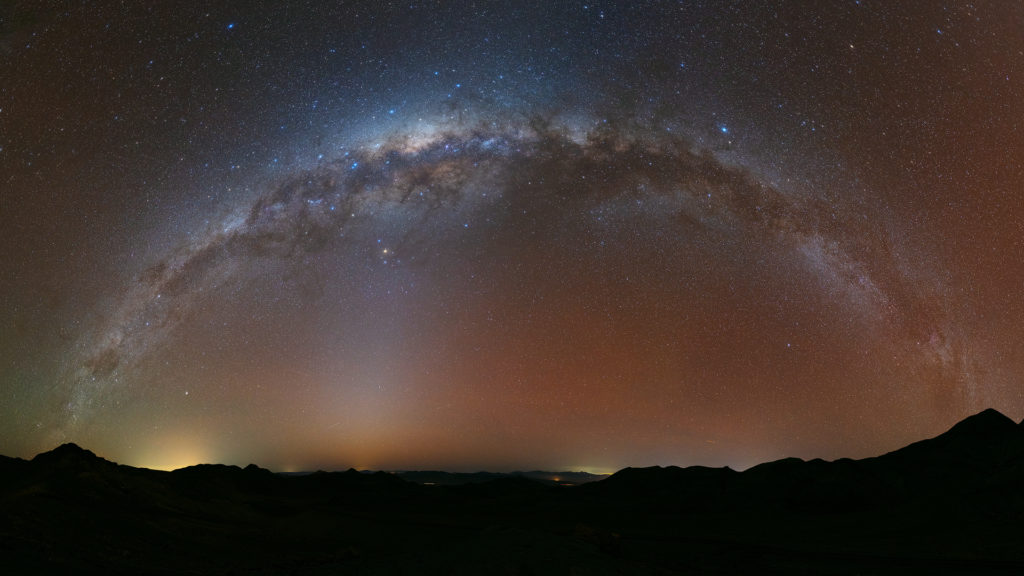
Everyone needs to physically see and photograph the Milky Way at least once in their life. I’ve been able to photograph the Milky Way consistently, almost every year, since I took photography seriously. My last instance was in Chile’s Atacama Desert, one of the clearest and darkest skies in the world!
Photographing the Milky Way involves a combination of long exposure photography techniques and considerations specific to astrophotography. A moonless night in a dark sky location is the best for minimizing light pollution.
Show Motion Blur
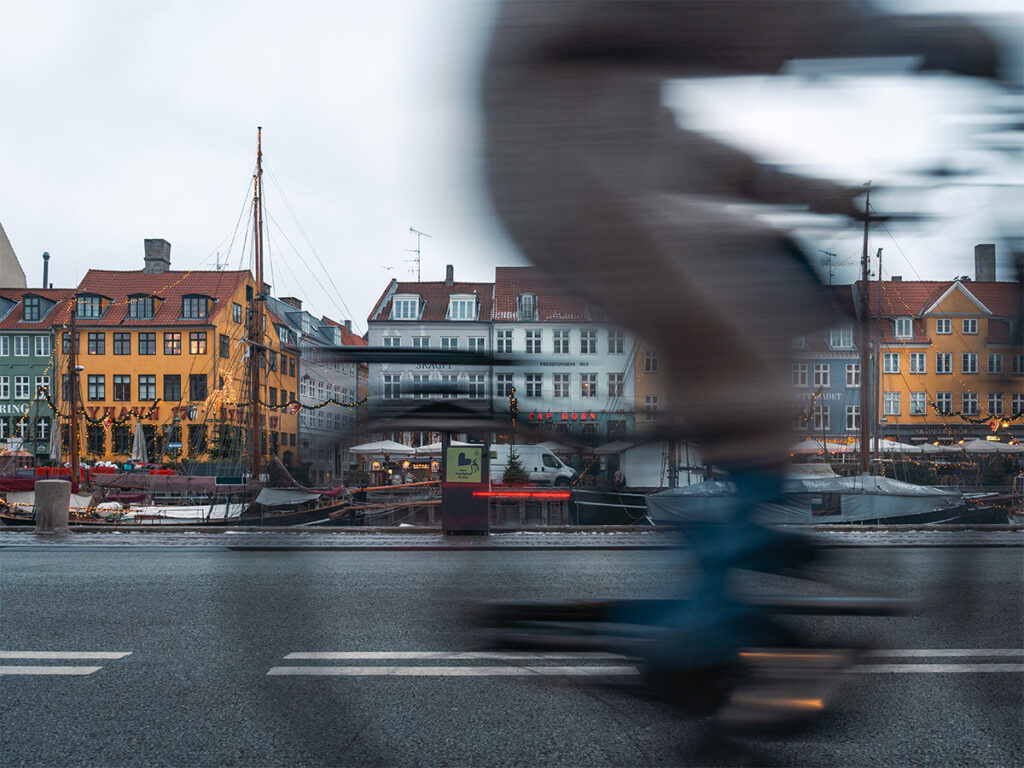
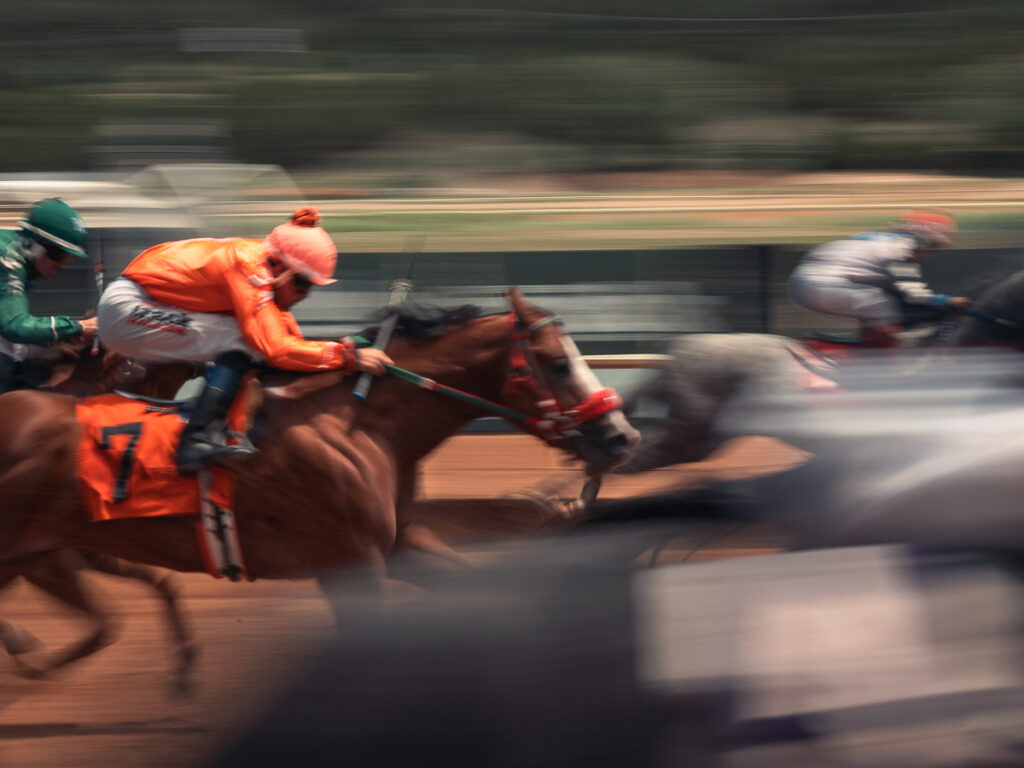
A panning shot is a long exposure photography technique that captures a moving subject while intentionally introducing motion blur to the background. This is commonly used to convey a sense of speed or dynamic action.
Select a subject that is moving horizontally, such as a passing car, a cyclist, or a person running. As the subject approaches, start tracking its movement with your camera. While standing in the same spot, use your upper body to pan and follow the subject.
Light Trails
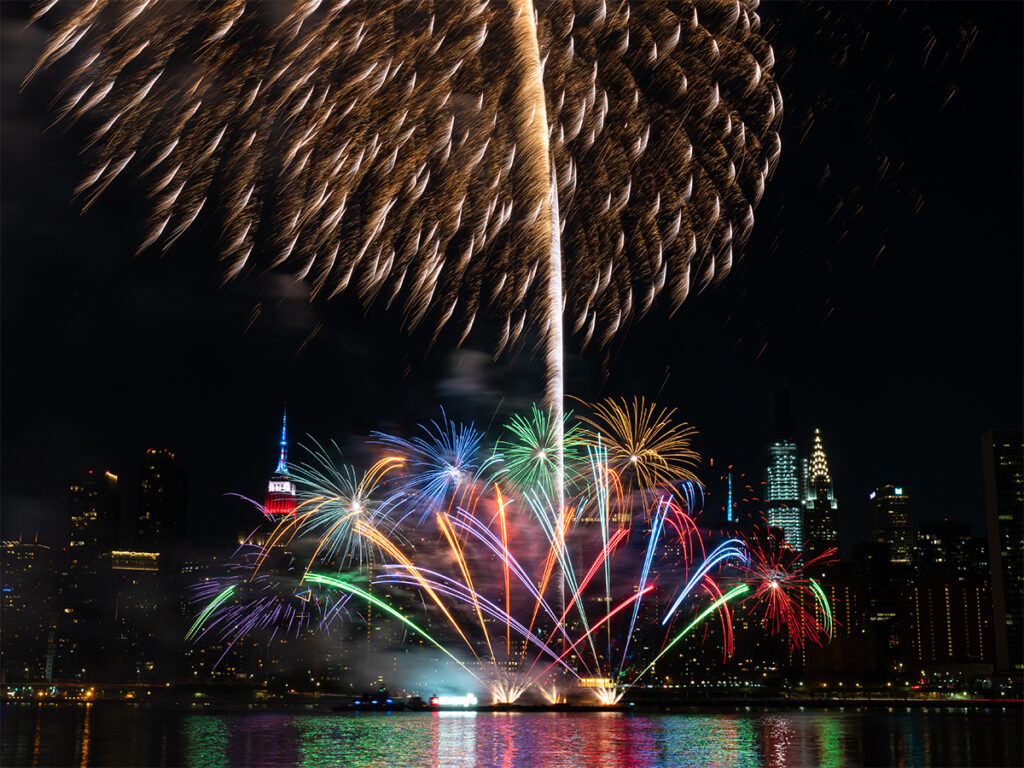
Light trails are an effect that occurs when a camera’s shutter is left open for an extended period, allowing moving light sources to leave a trail or streak burned into the image. Light trails are popular and visually striking, especially when photographing fireworks, traffic, cityscapes, or other dynamic scenes.
Ghosting Long Exposure Photography
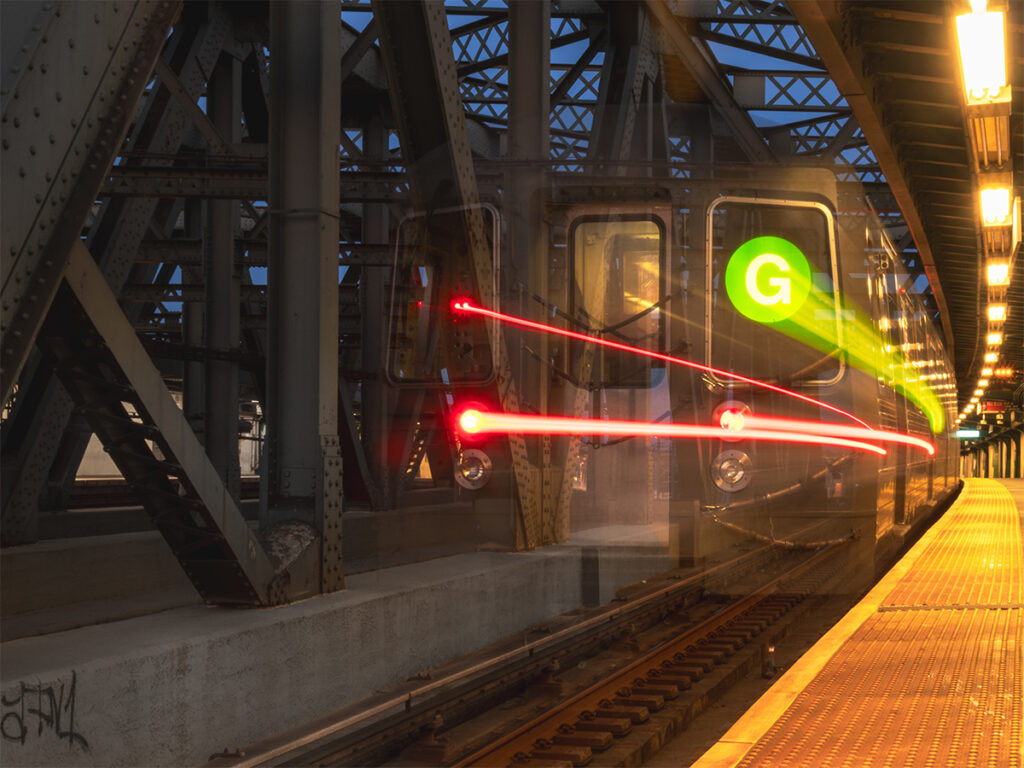
The term “ghost long exposure” typically refers to a scene where a portion of the scene includes a transparent representation of a moving subject. Timing matters to get that balance of the subject’s body appearing as a ‘ghost’ while having light trails move in the direction it’s going.
Out of all the types of long exposure photography listed here, this is the most fun, but also the most frustrating. Patience is key here! The speed and direction of the subject’s movement will influence the appearance of the ghosting effect. Experiment with different movement speeds and directions to achieve varied results.
Zoom Burst
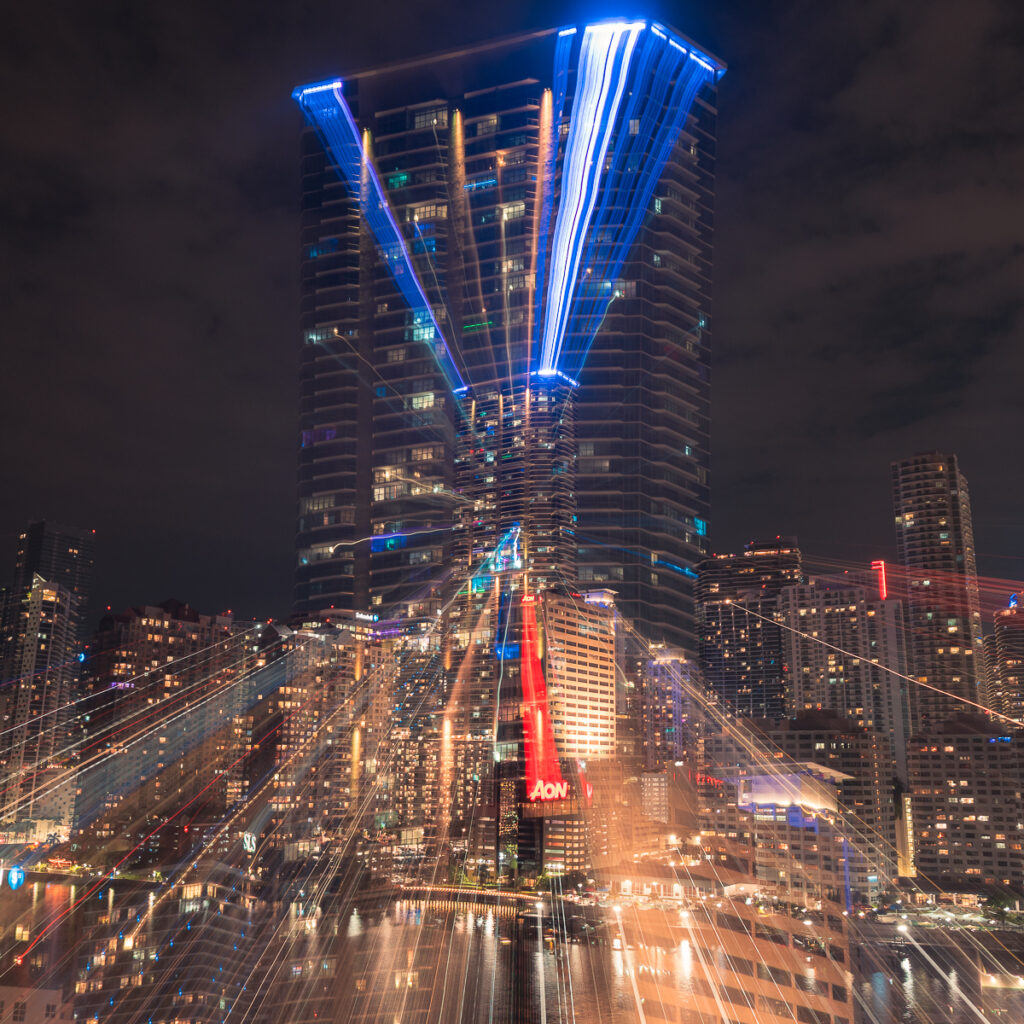
This creative long exposure photography technique involves changing the focal length of a zoom lens during the exposure, resulting in a visually striking result. This technique adds a sense of movement and energy to the image by creating radial streaks or bursts that emanate from the center of the frame.
As you can see, there are a lot of ways to utilize long exposure photography that adds a touch of magic to your images. By understanding the principles and investing time in experimentation, you can unlock a world of creative possibilities. So, grab your camera, set up your tripod, and capture the fleeting moments!

Comments +